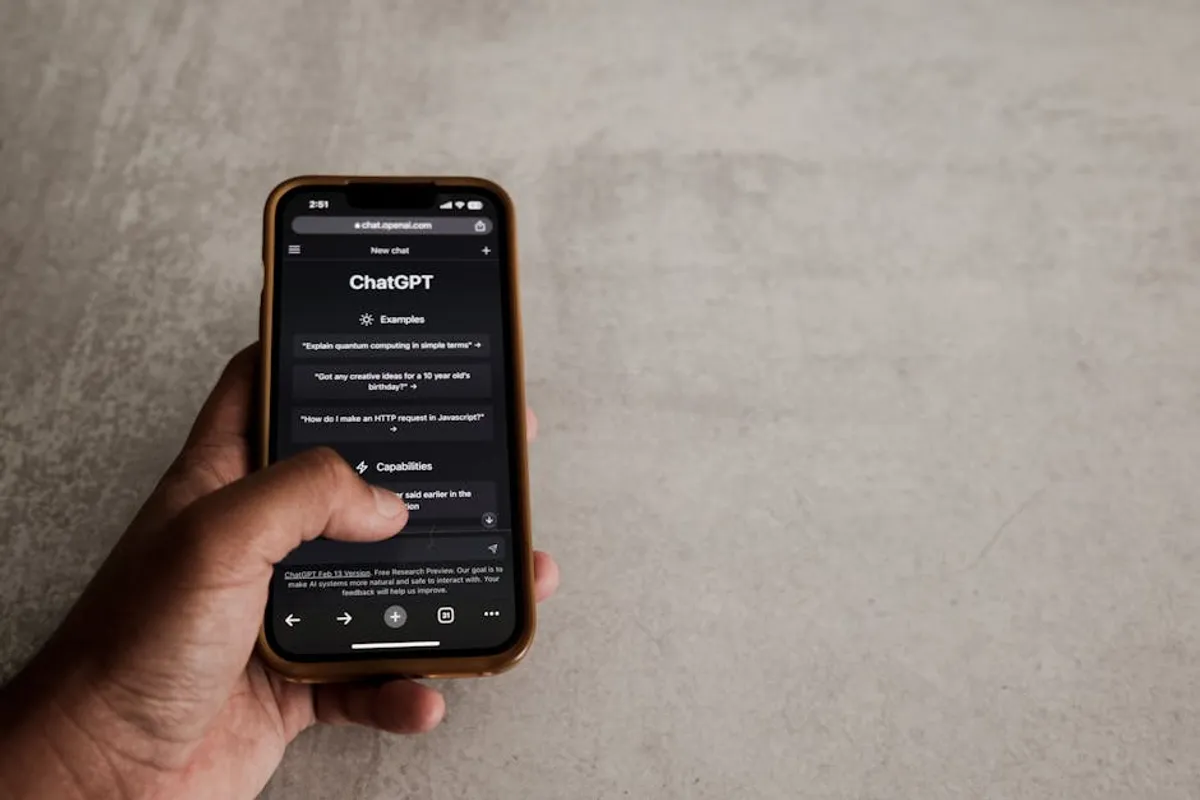
The landscape of artificial intelligence is rapidly expanding beyond simple task automation, opening new avenues for both engaging entertainment and streamlined productivity. For developers, marketers, and entrepreneurs, identifying compelling AI chatbot ideas means understanding where user needs intersect with technological capability and commercial viability. This exploration moves beyond generic conversational agents to pinpoint specific applications that offer distinct value, whether through immersive experiences or efficient problem-solving.
The challenge lies in conceptualizing chatbots that are not merely functional but truly indispensable or delightful. This requires a nuanced approach to design, focusing on user intent, data privacy, and the unique interaction paradigms that AI enables. The following ideas delve into specific niches, illustrating how AI can transform mundane tasks into intuitive processes or elevate passive consumption into active engagement.
How to Evaluate AI Chatbot Ideas for Development
Before committing resources to an AI chatbot concept, a structured evaluation process is critical. Consider these factors to gauge an idea's potential for success and impact:
- User Engagement Potential: Does the idea solve a genuine user problem or fulfill a clear desire? High engagement is driven by utility, novelty, or emotional connection. Quantify this by considering how frequently users might interact, the depth of those interactions, and the likelihood of repeat use.
- Technical Feasibility and Scalability: Assess the complexity of the underlying AI models (NLP, NLU, generation). Are the necessary data sets available for training? Can the system handle a growing user base and increasing interaction volume without significant performance degradation? Consider API integrations and infrastructure requirements.
- Monetization Avenues: Identify clear paths to revenue. This could include premium features, subscription models, affiliate partnerships, in-chat purchases, or data-driven insights (with strict privacy adherence). An idea without a viable business model remains a concept.
- Unique Value Proposition: How does this chatbot differentiate itself from existing solutions or traditional methods? What specific pain point does it alleviate, or what unique joy does it provide that current alternatives do not? Avoid ideas that offer only marginal improvements.
- Ethical and Privacy Considerations: Given the sensitive nature of user data and AI interactions, evaluate potential ethical pitfalls. How will data be collected, stored, and used? What measures are in place to prevent bias, misinformation, or misuse? Transparency and user control are paramount.
- Integration Ecosystem: Does the chatbot integrate seamlessly with other platforms or services users already employ? Compatibility with popular messaging apps, productivity suites, or smart home devices can significantly enhance adoption and utility.
1. The Interactive Storyteller AI
This AI chatbot generates dynamic, personalized narratives based on user input, offering a branching storyline experience. Users provide initial prompts—genre, protagonist traits, key plot points—and the AI crafts a story, prompting users for choices at critical junctures. The narrative adapts in real-time, creating a unique, co-created literary adventure. This moves beyond static text generation by integrating user agency directly into the creative process, fostering deeper immersion.
Best for: Creative entertainment, interactive learning, personalized content generation, and engaging children's literature platforms.
Pros:
- High replayability due to branching narratives and user-driven choices.
- Fosters creativity and imaginative thinking in users.
- Potential for integration with multimedia elements (images, audio) for enhanced immersion.
- Can be adapted for educational purposes, e.g., historical simulations or ethical dilemmas.
Cons:
- Maintaining narrative coherence across complex branching paths is technically challenging.
- Quality of generated text can vary, requiring sophisticated language models and fine-tuning.
- Monetization might rely heavily on premium story packs or subscription models.
Verdict: Offers significant entertainment value and creative engagement, but requires robust AI for consistent, high-quality narrative flow and effective management of user choices.
2. The Hyper-Personalized News Curator
This chatbot learns user preferences, reading habits, and expressed interests to deliver a tailored news digest. Instead of simply filtering by topic, it analyzes the sentiment, source reliability, and depth of articles, prioritizing content that aligns with the user's specific informational needs and cognitive style. It can summarize complex articles, offer different perspectives on a story, and even suggest related topics the user might find valuable but hasn't explicitly searched for.
Best for: Information overload management, specialized professional updates, and fostering informed decision-making.
Pros:
- Reduces information fatigue by delivering highly relevant content.
- Enhances productivity by quickly summarizing key information.
- Can help users discover new perspectives and topics beyond their immediate search queries.
- Potential for premium features like advanced source verification or industry-specific reports.
Cons:
- Risk of creating filter bubbles, limiting exposure to diverse viewpoints.
- Requires continuous learning and adaptation to evolving user interests.
- Data privacy concerns around tracking reading habits and preferences are significant.
Verdict: A powerful productivity tool if transparency and viewpoint diversity are prioritized, demanding sophisticated content analysis and user modeling.
3. The Skill-Building Coach AI
Designed to guide users through learning new skills, from coding to cooking, this chatbot provides structured lessons, practice exercises, and real-time feedback. It adapts the learning path based on user performance, identifying areas of weakness and reinforcing strengths. Unlike static online courses, it offers interactive problem-solving, immediate clarification of concepts, and motivational support, acting as a personalized tutor available 24/7.
Best for: Personalized education, professional development, hobby learning, and overcoming learning plateaus.
Pros:
- Provides highly individualized learning experiences.
- Offers immediate feedback and adaptive lesson pacing.
- Accessible and flexible, allowing users to learn at their own pace and schedule.
- Can integrate with external resources like video tutorials or practice environments.
Cons:
- Developing comprehensive, accurate skill modules requires extensive domain expertise.
- Limitations in providing nuanced, human-like feedback for complex creative skills.
- Monetization often requires subscription models for advanced content or coaching.
Verdict: High potential for effective, scalable education, but success hinges on the depth and accuracy of its knowledge base and feedback mechanisms.
4. The Virtual Travel Planner & Guide
This chatbot assists users in planning entire trips, from destination selection and itinerary creation to booking recommendations for flights, accommodations, and activities. It considers budget, travel style, interests, and real-time conditions (weather, local events) to generate optimized plans. During the trip, it acts as a virtual guide, offering local insights, navigation assistance, and real-time updates on attractions or transport, all through conversational interface.
Best for: Leisure travelers, business travelers, trip organizers, and those seeking curated, stress-free travel experiences.
Pros:
- Significantly reduces the time and effort involved in trip planning.
- Provides personalized, context-aware recommendations.
- Offers utility both pre-trip and during the journey.
- Strong monetization potential through affiliate bookings and premium itinerary features.
Cons:
- Requires extensive, up-to-date integration with travel APIs and databases.
- Accuracy of real-time information can be challenging to maintain.
- User trust is paramount, especially for financial transactions and critical travel advice.
Verdict: A highly practical productivity tool with clear commercial pathways, dependent on robust data integration and reliable real-time information processing.
5. The Creative Writing Assistant
This chatbot goes beyond basic grammar checks, offering assistance with brainstorming, plot development, character creation, and even generating prose in specific styles. Users can feed it fragments of ideas, and the AI helps expand them, suggest narrative arcs, overcome writer's block, or refine dialogue. It serves as a collaborative partner, not a replacement, for writers of all levels, from novelists to content creators.
Best for: Authors, screenwriters, content marketers, students, and anyone engaging in creative text generation.
Pros:
- Accelerates the creative process and helps overcome mental blocks.
- Provides objective feedback and diverse stylistic suggestions.
- Can be tailored to specific genres or writing needs.
- Enhances productivity for professional writers and offers inspiration for hobbyists.
Cons:
- Output can sometimes be generic or lack genuine human originality.
- Risk of over-reliance leading to a decline in independent creative thought.
- Requires sophisticated understanding of literary elements and stylistic nuances.
Verdict: A valuable tool for enhancing creative output and productivity, but its effectiveness hinges on its ability to generate truly insightful and original suggestions, not just predictable patterns.
6. The Language Learning Buddy
This chatbot facilitates language acquisition through conversational practice, role-playing scenarios, and contextual vocabulary building. Users can engage in free-form dialogue, and the AI provides instant corrections, grammar explanations, and pronunciation feedback. It adapts to the user's proficiency level, introducing new vocabulary and complex sentence structures incrementally, making learning more interactive and less intimidating than traditional methods.
Best for: Language learners of all levels, travelers, and individuals seeking to maintain fluency.
Pros:
- Provides unlimited, non-judgmental practice opportunities.
- Offers immediate, personalized feedback on grammar and vocabulary.
- Can simulate real-life conversations, enhancing practical communication skills.
- Accessible anytime, anywhere, at the user's pace.
Cons:
- Limitations in understanding complex idioms or cultural nuances without explicit programming.
- Cannot replicate the full range of human interaction and emotional intelligence.
- Requires continuous updates for diverse languages and learning methodologies.
Verdict: An effective supplement to traditional language learning, particularly strong for conversational practice and immediate error correction, but not a complete replacement for human interaction.
7. The Simplified Personal Finance Advisor
This chatbot helps users manage personal finances by tracking expenses, setting budgets, and offering personalized savings and investment advice. It simplifies complex financial concepts, answers questions about banking, debt, and retirement planning in clear language. Instead of overwhelming users with data, it provides actionable insights and nudges towards healthier financial habits, focusing on clarity and ease of use.
Best for: Individuals seeking basic financial guidance, budget management, and simplified investment insights.
Pros:
- Democratizes financial advice, making it accessible to a broader audience.
- Automates expense tracking and budget adherence.
- Provides personalized recommendations based on spending patterns.
- Strong potential for affiliate partnerships with financial products.
Cons:
- Cannot offer regulated financial advice, requiring clear disclaimers.
- Integrating with various bank accounts and financial institutions poses security and privacy challenges.
- Risk of providing oversimplified or potentially misleading advice for complex situations.
Verdict: A valuable productivity tool for basic financial literacy and budgeting, but must operate within strict regulatory boundaries and clearly define its advisory scope.
8. The Gaming Companion AI
This chatbot integrates with popular video games to offer real-time strategy tips, lore explanations, quest guidance, and even personalized build recommendations. It can analyze a player's in-game performance, identify weaknesses, and suggest improvements. For multiplayer games, it can help coordinate team strategies or explain meta-game shifts. This enhances the gaming experience by providing intelligent, context-aware assistance without breaking immersion.
Best for: Casual and competitive gamers, streamers, and game developers looking to enhance player engagement.
Pros:
- Enhances player performance and reduces frustration.
- Offers deep game knowledge and strategic insights on demand.
- Can be monetized through premium subscriptions for advanced tips or exclusive content.
- Increases player retention and engagement with complex games.
Cons:
- Requires deep integration with specific game APIs and continuous updates for game patches.
- Risk of being perceived as "cheating" if too powerful or disruptive to game balance.
- Maintaining relevance across a rapidly evolving gaming landscape is challenging.
Verdict: Offers significant entertainment and competitive advantages for gamers, but demands constant adaptation to game updates and careful balancing to avoid undermining the core game experience.
9. The Home Automation Orchestrator
This chatbot acts as a central, conversational interface for managing all smart home devices. Users can issue complex commands ("Set the mood for movie night," "Prepare the house for bedtime") and the AI orchestrates multiple devices—lights, thermostats, locks, entertainment systems—into cohesive scenes. It learns user routines and preferences, anticipating needs and proactively suggesting actions, moving beyond simple voice commands to intelligent, contextual control.
Best for: Smart home enthusiasts, busy families, individuals with accessibility needs, and those seeking seamless home management.
Pros:
- Simplifies complex smart home routines into natural language commands.
- Learns and anticipates user preferences for proactive automation.
- Enhances convenience, energy efficiency, and security.
- Strong potential for integration with new smart home technologies.
Cons:
- Requires extensive integration with a wide array of smart device APIs.
- Security and privacy concerns related to centralizing home control are critical.
- Potential for compatibility issues between different brands and ecosystems.
Verdict: A powerful productivity tool for smart home users, contingent on robust device integration and stringent security protocols to build user trust.
10. The Mental Wellness Check-in AI
This chatbot provides a safe, anonymous space for users to express their feelings, track mood patterns, and learn coping strategies. It offers guided meditation, journaling prompts, and cognitive behavioral therapy (CBT) techniques in an accessible, conversational format. While not a substitute for professional therapy, it acts as a supportive companion, helping users build resilience and manage daily stress through self-reflection and guided exercises.
Best for: Individuals seeking daily mental health support, stress management tools, and self-care routines.
Pros:
- Offers accessible, anonymous support for mental well-being.
- Provides structured exercises for stress reduction and emotional regulation.
- Can track mood patterns over time, offering insights into personal triggers.
- High potential for positive social impact and user loyalty.
Cons:
- Cannot provide clinical diagnosis or professional therapy.
- Risk of misinterpreting user input or offering inappropriate advice.
- Requires careful ethical design to avoid creating dependency or false expectations.
Verdict: A valuable supportive tool for mental wellness, but must clearly define its scope as a companion, not a clinician, and prioritize user safety and ethical AI design.
11. The Event Planning Co-pilot
This chatbot streamlines the entire event planning process, from conceptualization to execution. Users can describe their event (e.g., "birthday party for 30 people, budget $1000, 80s theme"), and the AI generates checklists, vendor recommendations, budget breakdowns, and timeline suggestions. It can handle RSVPs, send reminders, and even suggest entertainment options, acting as a virtual event manager to reduce organizational stress.
Best for: Individuals planning personal events, small businesses organizing corporate functions, and event professionals seeking efficiency tools.
Pros:
- Automates repetitive planning tasks, saving significant time and effort.
- Provides comprehensive checklists and resource suggestions.
- Reduces the likelihood of overlooked details or budget overruns.
- Strong affiliate potential with event vendors and service providers.
Cons:
- Requires extensive, up-to-date databases of vendors, venues, and pricing.
- Cannot fully replace human creativity or problem-solving for unexpected event challenges.
- Accuracy of recommendations depends heavily on localized and current data.
Verdict: A highly effective productivity tool for event organizers, provided it has access to robust, localized data and can adapt to unique event requirements.
12. The Personalized Workout & Nutrition Planner
This chatbot creates customized fitness and meal plans based on individual goals, dietary restrictions, fitness levels, and available equipment. Users input their preferences, and the AI generates daily workout routines with exercise demonstrations and detailed meal plans with recipes. It tracks progress, adjusts plans as needed, and offers motivational support, acting as a personal trainer and nutritionist in a conversational format.
Best for: Fitness enthusiasts, individuals with specific dietary needs, and anyone seeking structured guidance for health and wellness goals.
Pros:
- Delivers highly personalized and adaptive fitness and nutrition plans.
- Offers convenience and accessibility, eliminating the need for expensive human coaches.
- Can integrate with wearable devices for real-time progress tracking.
- Strong potential for subscription-based monetization and premium content.
Cons:
- Requires accurate and comprehensive databases of exercises, nutritional information, and recipes.
- Cannot provide real-time form correction for exercises, increasing injury risk without supervision.
- Risk of providing generic or potentially unsuitable advice for individuals with complex health conditions.
Verdict: A valuable productivity tool for health and fitness, but must emphasize user safety, provide clear disclaimers, and ensure its advice is based on sound scientific principles.
Measuring Success and Choosing the Right Implementation Path
Once an AI chatbot idea is selected, success measurement and implementation strategy become paramount. Key performance indicators (KPIs) include user retention rate, average session duration, task completion rate (for productivity bots), sentiment analysis of user feedback, and conversion rates (for monetization). For entertainment bots, metrics like narrative completion, choice engagement, and shared content can indicate success.
Choosing the right implementation path involves evaluating available AI platforms, natural language processing (NLP) capabilities, and integration requirements. Consider platforms that offer robust API access, scalable infrastructure, and strong security features. For highly specialized applications, custom model training might be necessary, while simpler concepts could leverage off-the-shelf solutions. Prioritize user experience (UX) and user interface (UI) design, ensuring the conversational flow is intuitive and engaging. A/B testing different conversational paths and feedback mechanisms can refine the user journey and optimize performance.
Frequently Asked Questions About AI Chatbot Ideas
Q: What is the most important factor for an AI chatbot's success?
A: The most important factor is providing clear, measurable value to the user, whether through efficiency gains, unique entertainment, or effective problem-solving. This value must be consistently delivered and easily understood by the target audience.
Q: How can AI chatbots be monetized effectively?
A: Effective monetization strategies include premium subscriptions for advanced features or content, affiliate partnerships for product recommendations (e.g., travel, finance, health), in-chat purchases, or licensing the technology to other businesses. Advertising can also be an option, though it must be implemented carefully to avoid disrupting user experience.
Q: What are the biggest challenges in developing an AI chatbot?
A: Key challenges include achieving accurate natural language understanding (NLU), maintaining conversational coherence over extended interactions, managing data privacy and security, and continuously updating the knowledge base to stay relevant. Ensuring the AI's responses are helpful and non-biased is also a significant hurdle.
Q: Can a single AI chatbot combine both entertainment and productivity features?
A: Yes, many successful chatbots blend both. For instance, a language learning chatbot (productivity) can incorporate gamified elements or interactive stories (entertainment) to enhance engagement. The key is to ensure the features complement each other and align with the core user goal without creating a disjointed experience.
Q: How important is user feedback in AI chatbot development?
A: User feedback is critically important. It provides direct insights into what works, what doesn't, and where improvements are needed. Continuous feedback loops, A/B testing, and user analytics are essential for iterative development and ensuring the chatbot evolves to meet user expectations and deliver maximum value.



Write the first note
Thoughtful disagreement welcomed. Promotional links quietly trimmed.