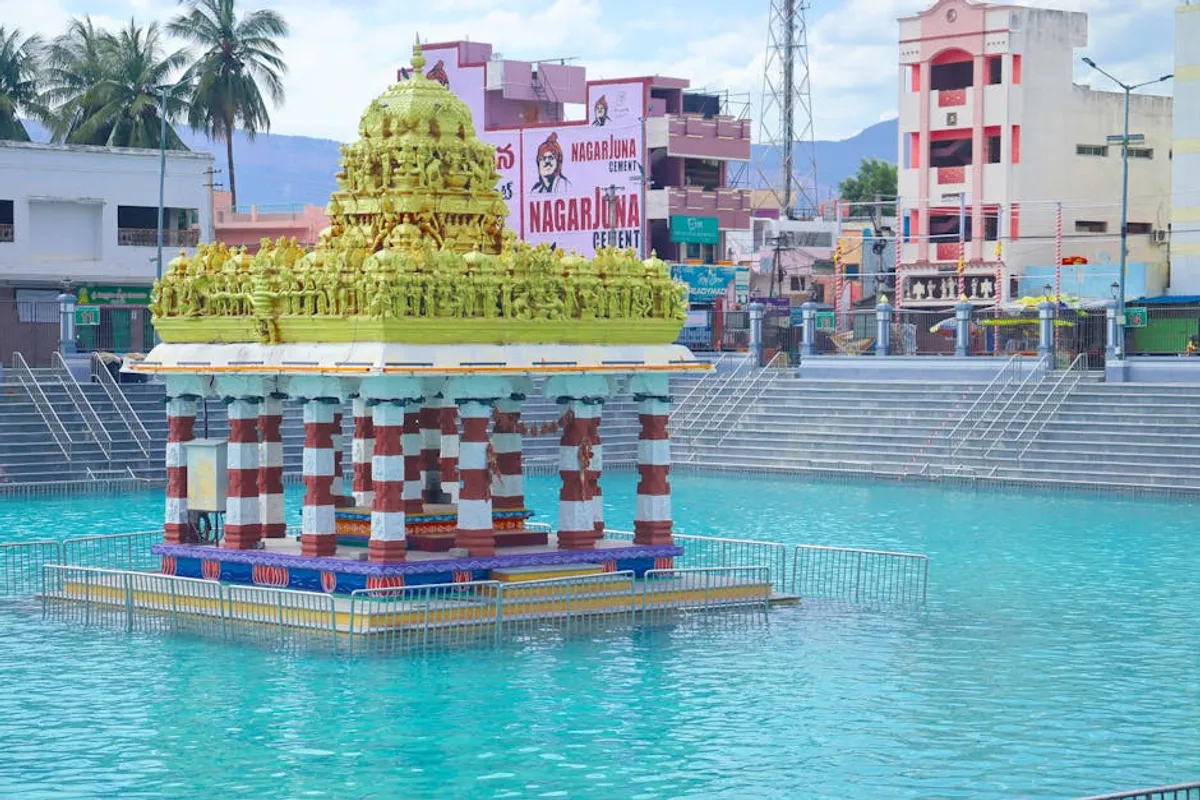
Planning a pilgrimage to Mantralayam requires precise information to ensure a fulfilling spiritual experience. The Sri Raghavendra Swamy Mutt, a revered destination for devotees of Saint Raghavendra Swamy, operates on a strict schedule for darshan, sevas, and various rituals. Understanding these timings, along with practical considerations like costs and local logistics, is crucial for visitors to maximize their time and participation. This guide provides a detailed overview of the temple's operational hours, specific service schedules, and essential tips to navigate your visit effectively, ensuring you arrive prepared and can engage fully with the temple's offerings.
Understanding Mantralayam's Spiritual Significance
Mantralayam, situated on the banks of the Tungabhadra River in Andhra Pradesh, is primarily known for the Samadhi (tomb) of Sri Raghavendra Swamy, a prominent 16th-century saint and philosopher who advocated Dvaita philosophy. The temple complex is a living mutt, continuing the traditions and spiritual practices established by the saint. Devotees visit seeking blessings, spiritual solace, and to participate in the various pujas and sevas performed daily. The sanctity of the place is deeply rooted in the saint's life and teachings, making a visit here a significant spiritual journey for many.
Core Darshan and Temple Timings
The Mantralayam temple adheres to a structured daily timetable, which is essential for visitors to know. These timings govern access to the main shrine, participation in specific rituals, and general temple activities. Variations can occur during festivals or special occasions, so checking local announcements upon arrival is advisable.
Morning Schedule
- Suprabhatha Seva: Typically begins around 5:00 AM. This is the awakening ritual for the deity and saint.
- Nirmalya Visarjana: Follows Suprabhatha, usually by 6:00 AM, involving the removal of previous day's offerings.
- Morning Darshan: General darshan usually opens from 6:30 AM to 1:00 PM, allowing devotees to view the Moola Brindavanam (Samadhi).
- Morning Pujas and Archanas: Various pujas, including Abhishekam, generally take place between 7:00 AM and 11:00 AM. Specific timings for individual sevas are often announced or displayed at the seva counter.
- Theertha Prasada Viniyoga: Distribution of holy water and food offerings typically occurs after the morning pujas, around 12:30 PM to 1:00 PM.
Afternoon and Evening Schedule
- Temple Closure (Afternoon Break): The main temple usually closes for an afternoon break from 1:30 PM to 4:00 PM. During this period, general darshan is not available.
- Evening Darshan: Reopens from 4:00 PM to 9:00 PM. This provides another extended window for devotees to have darshan.
- Evening Pujas and Archanas: Similar to the morning, various sevas and archanas are performed between 4:30 PM and 8:00 PM.
- Rathotsavam (Chariot Festival): A daily ritual, the Rathotsavam, where a small chariot carrying the idol of the deity is pulled, typically occurs around 7:30 PM to 8:00 PM. This is a significant event for many devotees.
- Ekanta Seva: The final ritual of the day, the lullaby service, usually commences around 9:00 PM, after which the temple closes for the night.
Planning Your Seva and Pooja
Participating in sevas (services) and pujas (worship rituals) is a core part of the Mantralayam experience. These can range from simple archana to more elaborate offerings. Understanding the types available and their associated costs is vital for preparation.
Types of Sevas Available
The temple offers a variety of sevas catering to different devotional needs. Common sevas include:
- Archana: A simple offering of prayers, flowers, and chanting the deity's name.
- Abhishekam: Ritualistic bathing of the Moola Brindavanam with sacred substances.
- Panchamrutha Abhishekam: A special abhishekam using five nectars (milk, curd, ghee, honey, sugar).
- Kanaka Maha Pooja: A more elaborate puja involving specific offerings and mantras.
- Anna Prasada Seva: Contributing to the free food distribution for devotees.
- Vastra Seva: Offering clothes to the deity or the mutt.
Associated Costs (Prices)
The costs for sevas are typically nominal and are set by the temple administration. These prices are subject to change, but generally range from INR 50 for a basic Archana to INR 500-1000 or more for special Abhishekam or larger contributions. A detailed price list is usually displayed at the seva booking counters within the temple premises. It is advisable to carry sufficient cash, though some counters may accept digital payments.
Booking Procedures
Most sevas can be booked directly at the temple's seva counters on the day of your visit. For popular or specific sevas, arriving early is recommended to secure a slot. Some larger sevas or special offerings might require advance booking, especially during festival periods. While online booking options are becoming more common for major pilgrimage sites, it's best to verify their availability directly with the Mantralayam mutt's official channels if planning from a distance.
Pro Tip: Always verify the current timings and seva prices directly at the temple's official counters or information desks upon arrival. While general schedules remain consistent, minor adjustments or special event timings can occur without prior widespread notice. Arriving early for morning rituals or popular sevas ensures better participation and less crowding.
Essential Visitor Tips for a Smooth Experience
A well-planned visit enhances the spiritual journey. These practical tips cover various aspects of your trip to Mantralayam.
Dress Code Guidelines
Mantralayam, being a traditional spiritual center, enforces a conservative dress code.
Best for: Men should wear traditional attire like dhotis or trousers with shirts. Women are expected to wear sarees or salwar kameez. Skirts, shorts, and revealing clothing are generally discouraged and may restrict entry to certain areas of the temple.
Best Time to Visit
The ideal time to visit Mantralayam is during the cooler months, from October to March. The summer months (April to June) can be extremely hot, making extended stays or outdoor activities uncomfortable. The monsoon season (July to September) brings relief from heat but can sometimes disrupt travel plans due to heavy rains.
Accommodation Options
The temple trust provides various accommodation options, including guest houses and choultries, which are usually affordable and located close to the main temple. Additionally, several private lodges and hotels are available in Mantralayam town, catering to different budgets. Booking in advance, especially during peak seasons or festivals, is strongly recommended.
Local Transportation
Mantralayam is well-connected by road and rail. The nearest railway station is Mantralayam Road (MALM), approximately 16 km away, with auto-rickshaws and shared taxis readily available. Local buses also connect Mantralayam to nearby towns and cities. Within Mantralayam, walking is feasible for distances around the temple, and auto-rickshaws are available for longer commutes.
Food and Prasad
The temple offers free Anna Prasada (sacred food) to all devotees, typically served during lunch hours. Several eateries and restaurants around the temple complex offer South Indian vegetarian cuisine. It's advisable to consume freshly prepared food and bottled water to ensure hygiene.
Important Considerations Before Your Visit
Beyond timings and rituals, a few other aspects contribute to a hassle-free pilgrimage.
Photography Rules
Photography is generally restricted inside the main temple premises and especially near the Moola Brindavanam. While photography might be permitted in outer areas, it's crucial to respect the temple's rules and signage. Using mobile phones for photography in restricted zones can lead to confiscation or other penalties.
Baggage Storage
For security reasons and to maintain decorum, large bags, backpacks, and sometimes even mobile phones are not allowed inside the innermost sanctum. Locker facilities or cloakrooms are usually available near the temple entrance for devotees to store their belongings securely for a nominal fee.
Health and Accessibility Notes
The temple complex involves walking, and for elderly or differently-abled visitors, assistance might be required. While the main pathways are generally accessible, some areas might have steps or uneven surfaces. It is advisable to carry any necessary medications and stay hydrated, especially during warmer months. Medical aid facilities are usually available within the temple town.
Maximizing Your Mantralayam Pilgrimage
To truly benefit from your visit, integrate the practical details with the spiritual purpose. Plan your arrival to coincide with your desired darshan or seva timings, allowing buffer time for travel and potential queues. Engage with the local environment respectfully, and utilize the facilities provided by the mutt. By being informed about the temple's schedule and guidelines, you can ensure your focus remains on the spiritual essence of Mantralayam, leading to a more profound and memorable experience.
Frequently Asked Questions
What are the general opening and closing times of Mantralayam Temple?
The temple generally opens for morning darshan around 6:30 AM and closes for an afternoon break from 1:30 PM to 4:00 PM. Evening darshan is available from 4:00 PM until approximately 9:00 PM.
Are there different timings for special pujas or sevas?
Yes, specific pujas like Abhishekam have designated morning slots, typically between 7:00 AM and 11:00 AM. The Rathotsavam (chariot festival) usually takes place in the evening around 7:30 PM. It is best to confirm exact timings for specific sevas upon arrival.
Is there a dress code for visiting Mantralayam Temple?
Yes, a conservative dress code is expected. Men should wear traditional attire or trousers with shirts, and women should wear sarees or salwar kameez. Revealing clothing is not permitted inside the temple.
Can I book sevas or accommodation in advance?
While most daily sevas can be booked on-site, it is advisable to check with the temple's official channels for advance booking options, especially for accommodation or during peak festival seasons, to ensure availability.
Write the first note
Thoughtful disagreement welcomed. Promotional links quietly trimmed.