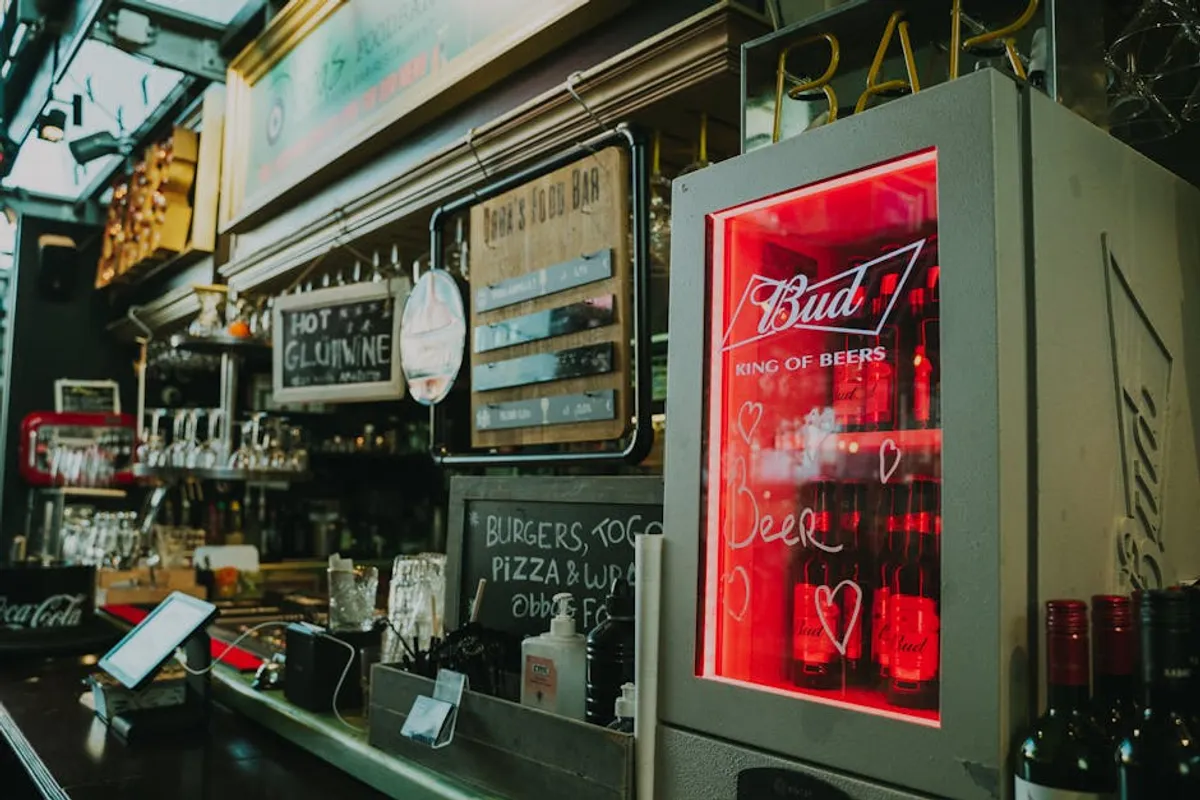
Selecting the optimal beverage fridge involves navigating a range of capacities, temperature control options, and aesthetic considerations. The right unit preserves drink quality, enhances accessibility, and integrates seamlessly into its environment, whether a home bar, kitchen, or commercial space. This guide details key features and performance characteristics across various models, allowing for informed decisions based on specific needs for storage volume, temperature zones, and operational acoustics.
How to Choose Your Ideal Beverage Fridge
Before committing to a purchase, evaluate several critical factors that dictate a beverage fridge's suitability for its intended use. Prioritizing these elements ensures the chosen model meets both functional requirements and aesthetic preferences.
- Capacity and Configuration: Determine the volume of beverages you need to store. Units range from compact 6-can models to large coolers accommodating hundreds of bottles. Consider bottle and can sizes you typically stock. Some units feature adjustable shelving or specialized racks for wine bottles, while others prioritize dense can storage.
- Temperature Control and Zones: Basic beverage fridges offer a single temperature zone, typically between 34°F and 50°F (1°C and 10°C). For mixed collections, particularly wine and other drinks requiring different temperatures, dual-zone or multi-zone models are essential. Precision control, often digital, is crucial for delicate beverages.
- Cooling Technology: Compressor-based systems are standard, offering robust cooling and faster temperature recovery, but can produce more noise and vibration. Thermoelectric (Peltier) cooling is quieter and vibration-free, making it suitable for wine, but generally offers less powerful cooling and is more sensitive to ambient room temperature.
- Noise Level: Measured in decibels (dB), noise output is a significant consideration for units placed in living areas or bedrooms. Look for models with noise ratings below 40 dB for minimal disruption.
- Design and Aesthetics: Beverage fridges come in various finishes (stainless steel, black, panel-ready) and door types (solid, glass, French-door). Consider internal lighting (LED is energy-efficient and low-heat), door hinges (reversible or fixed), and handle styles to match existing decor.
- Energy Efficiency: Check for ENERGY STAR certification or specific energy consumption ratings. While smaller units consume less power overall, efficiency per cubic foot can vary significantly.
- Installation Type: Decide between freestanding, built-in, or undercounter models. Built-in units require specific ventilation and dimensions for flush integration, while freestanding units offer more placement flexibility.
- Security and Features: Some models include door locks for security, especially in commercial settings or homes with children. Additional features like automatic defrost, carbon filters (for wine coolers), and Sabbath mode can enhance usability.
1. The Compact Countertop Cooler
This model specializes in immediate, small-batch chilling, designed for accessibility in tight spaces. Its compact footprint and lightweight construction make it ideal for quick deployment in offices, dorm rooms, or as an auxiliary cooler on a countertop. It typically holds 6 to 12 standard cans, focusing on rapid temperature pull-down for immediate consumption rather than long-term storage.
Best for: Personal offices, dorm rooms, small apartments, or as a secondary cooler for immediate access to a few cold drinks.
Pros:
- Minimal footprint, fits easily on counters or desks.
- Rapid cooling for small quantities of beverages.
- Portable and easy to relocate as needed.
- Lower initial cost compared to larger units.
Cons:
- Extremely limited capacity, unsuitable for entertaining.
- Often uses thermoelectric cooling, which is less efficient in warmer ambient temperatures.
- Lacks advanced features like precise temperature control or multiple zones.
Verdict: A practical choice for individual use where space is at a premium and a few cold drinks are needed quickly without significant investment.
2. The Under-Counter Built-In
Engineered for seamless integration into kitchen cabinetry or home bar setups, this type of fridge features front-venting to allow heat dissipation without requiring clearance around the sides or rear. Its design prioritizes a flush, finished look, making it a staple in modern kitchen designs. Capacities vary, but most are designed to hold 60-120 standard cans or a mix of bottles.
Best for: Kitchen islands, home bars, or dedicated entertainment areas where a sleek, integrated appearance is desired.
Pros:
- Achieves a clean, integrated aesthetic with surrounding cabinetry.
- Optimized ventilation for enclosed spaces.
- Often features durable stainless steel finishes and internal LED lighting.
- Typically equipped with compressor cooling for reliable performance.
Cons:
- Requires specific cabinetry dimensions and professional installation for optimal fit.
- Higher price point due to specialized design and robust components.
- Less flexible in placement once installed.
Verdict: An investment in both function and design, providing reliable cooling and a polished look for permanent installations.
3. The Dual-Zone Wine & Beverage
This versatile unit combines the functionality of a wine cooler with a standard beverage fridge by offering two independently controlled temperature zones. One zone is typically set for optimal wine storage (e.g., 45-65°F / 7-18°C), while the other maintains colder temperatures for sodas, beers, and water (e.g., 34-50°F / 1-10°C). This caters to diverse drink preferences within a single appliance.
Best for: Enthusiasts who store both wine and other chilled beverages, requiring distinct temperature environments for each.
Pros:
- Accommodates a wide range of beverages with specific temperature needs.
- Eliminates the need for two separate cooling units.
- Often features specialized shelving for wine bottles and adjustable shelves for cans.
- Enhances entertaining by offering diverse drink options at their ideal temperatures.
Cons:
- Higher cost due to dual cooling systems and advanced controls.
- Internal capacity may be slightly reduced compared to single-zone units of the same external dimensions.
- Requires more energy to maintain two distinct temperature zones.
Verdict: An excellent solution for comprehensive beverage management, offering specialized storage for varied collections without compromising ideal serving temperatures.
4. The Outdoor-Rated Cooler
Constructed with durable, weather-resistant materials and often featuring reinforced insulation, this fridge is specifically designed to withstand external elements like temperature fluctuations, humidity, and even direct sunlight. Its components are engineered for outdoor use, preventing corrosion and maintaining internal temperatures effectively even in high ambient heat. Often includes a security lock and robust shelving.
Best for: Patios, outdoor kitchens, poolside areas, or any exterior entertainment space requiring robust, weather-proof beverage storage.
Pros:
- Built to resist outdoor conditions, including moisture and extreme temperatures.
- Enhanced insulation maintains colder temperatures efficiently in hot environments.
- Durable construction prevents rust and degradation.
- Extends entertaining capabilities to outdoor living spaces.
Cons:
- Significantly higher price point due to specialized construction and materials.
- Limited aesthetic options, often favoring utilitarian stainless steel.
- Can be heavier and less portable than indoor units.
Verdict: Essential for dedicated outdoor entertaining, providing reliable cold storage where standard indoor fridges would fail due to environmental exposure.
5. The Commercial-Grade Display
Characterized by robust construction, powerful compressor cooling, and often a large glass door for product visibility, this fridge is built for high-traffic, frequent-opening environments. It prioritizes rapid temperature recovery, consistent cooling across all shelves, and often includes features like forced-air circulation and heavy-duty shelving. Capacity is typically substantial, ranging from 150 to 400+ cans.
Best for: Small businesses, offices, break rooms, or large home entertainment areas where high capacity and frequent access are critical.
Pros:
- Exceptional cooling power and fast temperature recovery after door openings.
- High capacity for storing a large volume of beverages.
- Durable construction designed for continuous operation and heavy use.
- Excellent product visibility through large glass doors, often with bright internal lighting.
Cons:
- Higher operating noise due to powerful compressors and fans.
- Can be energy-intensive due to constant cooling and large glass surface area.
- Industrial aesthetic may not suit all residential decors.
- Significantly larger footprint and weight compared to residential units.
Verdict: A workhorse for environments demanding robust performance, high capacity, and immediate beverage availability, prioritizing function over subtle integration.
6. The Slim Tower Cooler
This design maximizes vertical storage while minimizing horizontal footprint, making it suitable for narrow spaces or corners where a wider unit would not fit. It typically features a single temperature zone and often relies on forced-air cooling to ensure even temperatures from top to bottom. Capacities range from 40 to 80 cans, distributed across multiple shelves.
Best for: Small kitchens, pantries, game rooms, or any area with limited floor space but available vertical clearance.
Pros:
- Space-saving design, ideal for narrow gaps or corners.
- Efficient use of vertical space for beverage storage.
- Often lightweight enough for relatively easy repositioning.
- Provides a dedicated cooling solution without dominating a room.
Cons:
- Limited capacity compared to wider units.
- Accessing items on lower shelves can be less convenient.
- May lack advanced features like dual zones or premium finishes.
Verdict: A functional and discreet option for maximizing beverage storage in constricted areas, offering practical cooling without a large footprint.
7. The Large Capacity Freestanding
These units are designed for maximum storage volume, often accommodating 150 to 250+ cans or a significant number of bottles. They are not intended for built-in installation and require clearance around the sides and back for proper ventilation. Features often include adjustable shelving, internal lighting, and robust compressor cooling, making them suitable for large households or frequent entertainers.
Best for: Garages, basements, large entertainment rooms, or utility spaces where high volume storage is the primary concern and integration into cabinetry is not required.
Pros:
- Provides extensive storage capacity for a wide variety of beverages.
- Generally more affordable per cubic foot of storage than built-in models.
- Flexible placement options (as long as ventilation requirements are met).
- Robust cooling systems capable of maintaining consistent temperatures for large volumes.
Cons:
- Requires significant floor space and cannot be integrated flush with cabinetry.
- Aesthetic may be more utilitarian than premium built-in options.
- Can be heavy and difficult to move once fully stocked.
Verdict: The go-to choice for those prioritizing sheer volume and reliable cooling for large beverage collections without the constraints of integrated design.
8. The Thermoelectric Quiet Cooler
Utilizing Peltier cooling technology, this type of fridge operates with minimal noise and no mechanical vibration, making it exceptionally quiet. It typically has a smaller capacity and is less powerful than compressor-based units, performing best in environments with stable ambient temperatures. The absence of a compressor also means fewer moving parts and potentially longer lifespan for certain components.
Best for: Bedrooms, media rooms, offices, or any space where noise levels are a critical concern, especially for delicate wines or personal use.
Pros:
- Virtually silent operation, ideal for noise-sensitive environments.
- No vibration, which is beneficial for long-term wine storage.
- Often more energy-efficient for smaller capacities in moderate ambient temperatures.
- Compact and lightweight, easy to place.
Cons:
- Less powerful cooling, struggles in hot ambient conditions (above 75°F / 24°C).
- Limited capacity, typically for 12-30 cans or a few wine bottles.
- Slower temperature recovery after door openings.
- Higher initial cost compared to small compressor units of similar capacity.
Verdict: A specialized option for specific low-noise applications, offering a peaceful chilling solution at the expense of raw cooling power and capacity.
9. The Smart Connectivity Fridge
These advanced beverage fridges incorporate Wi-Fi connectivity, allowing users to monitor and control temperature settings, receive alerts (e.g., door left ajar), and even manage inventory through a smartphone app. Some models integrate with smart home ecosystems, offering voice control or automated scheduling. This enhances convenience and provides real-time operational insights.
Best for: Tech-savvy individuals, smart homes, or commercial settings where remote monitoring and control can streamline operations.
Pros:
- Remote temperature control and monitoring via smartphone.
- Receives alerts for operational issues (e.g., power outage, door open).
- Potential for integration with other smart home devices.
- Offers enhanced convenience and peace of mind.
Cons:
- Higher purchase price due to integrated technology.
- Reliance on Wi-Fi connectivity; functionality is limited without it.
- Learning curve for using smart features and apps.
- Privacy concerns related to data collection (though typically minimal for appliance use).
Verdict: A premium choice for those who value convenience and integration into a connected lifestyle, offering advanced control beyond basic refrigeration.
10. The Single-Zone Glass Door Display
Designed primarily for visual appeal and easy access, this fridge features a prominent glass door that showcases its contents. It operates with a single temperature zone, typically optimized for general beverage chilling (e.g., 38-45°F / 3-7°C). The glass door often incorporates UV protection to safeguard beverages from light degradation, especially for beer or certain wines. Internal LED lighting enhances presentation.
Best for: Home bars, entertainment spaces, or retail environments where displaying beverages is as important as chilling them.
Pros:
- Excellent visibility of contents, enhancing presentation and selection.
- Often features attractive internal LED lighting.
- Robust compressor cooling for consistent temperatures.
- Available in various finishes to match decor.
Cons:
- Less energy-efficient than solid-door models due to heat transfer through glass.
- Can be susceptible to condensation on the glass in humid environments.
- Requires more frequent cleaning of the glass to maintain appearance.
- Light exposure, even with UV protection, can still affect some delicate beverages over very long periods.
Verdict: A stylish and functional choice for showcasing a beverage collection, balancing effective cooling with an appealing display for social settings.
11. The French Door Beverage Center
This premium option features two independent doors that open from the center, often revealing two distinct storage compartments or a single wide space with easy access. While some may offer dual temperature zones, the primary benefit is the aesthetic appeal and reduced cold air loss compared to a single wide door, as only half of the unit is exposed at a time. High-end finishes and interior lighting are common.
Best for: Upscale kitchens, executive offices, or luxury home bars where design sophistication and efficient access are priorities.
Pros:
- Elegant aesthetic, often a focal point in a room.
- Reduced cold air loss during access compared to single-door units.
- Provides organized storage with dedicated sections for different beverage types.
- Often includes premium features like soft-close doors and advanced temperature controls.
Cons:
- Significantly higher price point than comparable single-door models.
- Requires more clearance for door swing than a single door.
- Internal capacity may be slightly less efficient due to central divider mechanisms.
Verdict: A statement piece that combines sophisticated design with practical access and enhanced temperature stability for a discerning user base.
12. The Portable & Mini Fridge
Designed for ultimate mobility, these small, lightweight units are often powered by both AC and DC current, making them suitable for cars, RVs, camping, or temporary setups. They typically use thermoelectric cooling and have a very limited capacity (e.g., 4-10 cans). Their primary advantage is the ability to keep a few drinks cold on the go, rather than long-term storage or precise temperature control.
Best for: Road trips, camping, tailgating, picnics, or as a personal cooler for a desk or bedside table.
Pros:
- Highly portable and lightweight.
- Versatile power options (AC/DC).
- Affordable and requires minimal space.
- Provides immediate access to cold drinks in various temporary locations.
Cons:
- Very limited capacity.
- Thermeoelectric cooling is sensitive to ambient temperature and less powerful.
- Not suitable for long-term storage or precise temperature needs.
- Can be less durable than stationary units.
Verdict: An indispensable accessory for transient chilling needs, offering convenience and portability for a few cold drinks in mobile or temporary settings.
Beyond the Purchase: Ensuring Long-Term Satisfaction
After selecting your beverage fridge, proper installation, maintenance, and usage practices extend its lifespan and maintain optimal performance. Ensure adequate ventilation for compressor-based units, especially built-in models, to prevent overheating and ensure efficient cooling. Regular cleaning of the interior and exterior, particularly glass doors, maintains hygiene and appearance. For units with filters (e.g., carbon filters in wine coolers), adhere to replacement schedules. Finally, understanding your warranty terms and registering your product ensures support in case of any operational issues.
Frequently Asked Questions
What is the ideal temperature for a general beverage fridge?
For most sodas, beers, and waters, a temperature range between 38°F and 45°F (3°C and 7°C) is generally preferred. This provides a refreshing chill without freezing the contents.
Can I store food in a beverage fridge?
While technically possible, beverage fridges are optimized for drinks. They often maintain slightly higher temperatures than standard refrigerators and may lack the humidity control or dedicated compartments suitable for perishable food items. It's generally not recommended for sensitive foods.
How much clearance do I need for a freestanding beverage fridge?
For optimal performance and to prevent overheating, allow at least 1-2 inches of clearance on the sides and back, and several inches above the unit. Consult the manufacturer's manual for specific recommendations.
Are glass door beverage fridges less energy-efficient?
Generally, yes. Glass doors, even with double-pane or UV protection, allow more heat transfer than solid doors, requiring the compressor to work harder to maintain internal temperatures. This can result in slightly higher energy consumption.
What is the difference between a wine cooler and a beverage fridge?
Wine coolers are specifically designed to store wine at precise temperatures and humidity levels, often with UV-protected glass, vibration-dampening, and specialized shelving. Beverage fridges are built for colder temperatures suitable for a wider range of drinks like sodas and beers, prioritizing accessibility and general chilling over long-term wine preservation.
How long do beverage fridges typically last?
With proper maintenance and usage, a quality beverage fridge can last anywhere from 5 to 12 years. Factors like compressor quality, frequency of use, ambient temperature, and adherence to maintenance schedules significantly influence lifespan.
Write the first note
Thoughtful disagreement welcomed. Promotional links quietly trimmed.