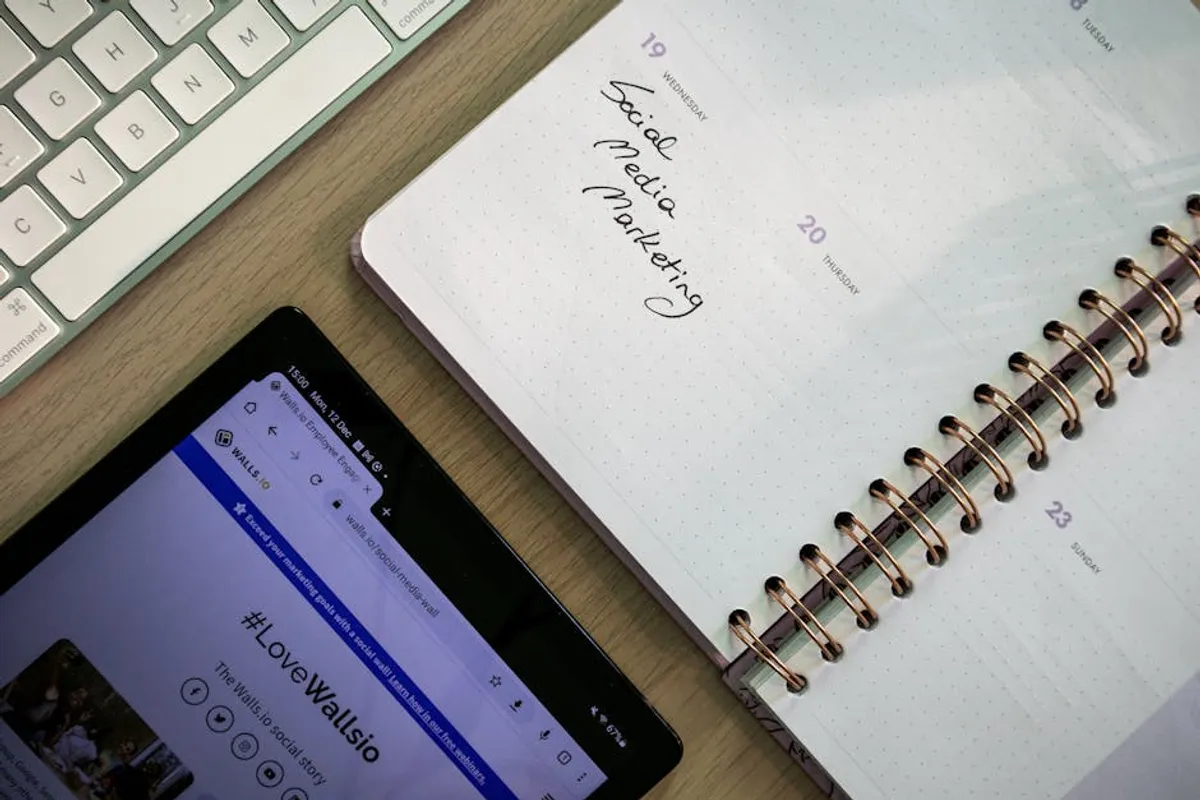
For brands operating in the digital space, a meticulously planned social media holiday calendar for 2026 is not merely an organizational tool; it is a direct pathway to enhanced audience engagement, timely campaign relevance, and measurable commercial outcomes. The decision to invest time in this foresight directly impacts a brand's ability to capitalize on seasonal consumer behavior, avoid reactive content, and maintain a consistent, value-driven presence. Without a clear roadmap, brands risk missing critical engagement windows, appearing out of touch, or, worse, competing for attention in an already saturated feed without a distinct strategic advantage. This forward-looking calendar transforms potential pitfalls into proactive opportunities, ensuring every post aligns with broader marketing objectives and resonates with target audiences during peak emotional and purchasing periods. For smaller operations, a holiday marketing calendar 2026 can be a powerful tool for planning holiday campaigns for small businesses.
Strategic Imperatives for 2026 Social Planning
Developing a 2026 social media holiday calendar requires more than just listing dates; it demands a strategic overlay that considers audience, brand identity, and platform dynamics. Effective planning leverages these elements to create campaigns that feel authentic and drive results.
- Audience Alignment: Identify which holidays genuinely resonate with your core demographic. A B2B software company might focus on professional development days or industry conferences rather than solely consumer-centric holidays like Valentine's Day. Conversely, a retail brand thrives on consumer holidays. Tailoring holiday relevance ensures content isn't wasted on an indifferent audience.
- Brand Voice Consistency: Each holiday campaign must integrate seamlessly with your brand's established voice and values. A playful brand can lean into humor for April Fools' Day, while a more serious, mission-driven organization might highlight awareness days relevant to its cause. Inauthenticity during holiday messaging can alienate followers.
- Platform Specifics: Recognize that different platforms demand different approaches. Instagram might prioritize visually rich content for aesthetic holidays, TikTok thrives on short, engaging trends for celebratory moments, and LinkedIn could focus on thought leadership around professional observances. Generic content across all channels dilutes impact.
- Early Planning Advantage: Starting early allows for comprehensive content creation, asset development (graphics, videos), and cross-promotional coordination. This proactive stance ensures high-quality output, reduces last-minute stress, and provides ample time for A/B testing messaging or ad creatives before major spending.
Key Global and US Holidays for Brand Engagement in 2026
While a definitive, exhaustive list is impossible due to regional variations and emerging observances, several holidays consistently offer significant engagement potential for brands. Planning around these anchors provides a robust framework.
January: New Year's Day (January 1) for goal-setting, fresh starts, and product launches.
February: Valentine's Day (February 14) for promotions around gifts, self-care, or relationship-focused content. Black History Month (all month) for educational content, community spotlights, and brand values alignment.
March: St. Patrick's Day (March 17) for themed promotions or lighthearted engagement. Easter (April 5 in 2026) planning begins in March for retail and family-focused brands. Women's History Month (all month) for celebrating achievements and gender equality.
April: Easter (April 5, 2026) for seasonal sales and family content. Earth Day (April 22) for sustainability messaging and corporate social responsibility.
May: Mother's Day (May 10, US) for gift guides, appreciation messages, and family-oriented campaigns. Memorial Day (May 25, US) for respectful acknowledgments and sales marking the start of summer.
June: Father's Day (June 21, US) for similar gift-focused or appreciation content. Pride Month (all month) for inclusive messaging and support for the LGBTQ+ community.
July: Independence Day (July 4, US) for patriotic themes, summer sales, and community engagement.
August: Back-to-School season (late August) for educational, tech, and apparel brands.
September: Labor Day (September 7, US) for end-of-summer sales and appreciation for workers. Hispanic Heritage Month (starts September 15) for cultural celebration and community focus.
October: Halloween (October 31) for creative, themed content, costume contests, and seasonal promotions.
November: Veterans Day (November 11, US) for respectful acknowledgments. Thanksgiving (November 26, US) for gratitude-themed content. Black Friday (November 27) and Cyber Monday (November 30) for peak retail sales and promotional offers.
December: Hanukkah (December 14-22, 2026), Christmas (December 25), and Kwanzaa (December 26-January 1) for holiday season sales, gift guides, and end-of-year reflections.
Brands must also research specific regional holidays relevant to their operational markets, such as Diwali, Lunar New Year, or local festivals, which can offer highly targeted engagement opportunities.
Beyond the Obvious: Leveraging Niche & Cultural Observances
While major holidays attract significant competition, niche and cultural observances offer unique avenues for connection and differentiation. Brands can stand out by aligning with less saturated, yet highly relevant, dates.
Industry-Specific Days: A tech brand might celebrate "Programmer's Day," while a food brand could acknowledge "National Donut Day." These hyper-relevant days allow for specialized content that speaks directly to a segment of your audience or industry.
Awareness Months/Days: Consider "Mental Health Awareness Month," "Breast Cancer Awareness Month," or "National Pet Day." Aligning with these days demonstrates corporate social responsibility and provides opportunities for educational content, partnerships with non-profits, or cause-related marketing that resonates deeply with conscious consumers.
Local Events: For brands with a strong local presence, incorporating community festivals, sports events, or historical anniversaries into the calendar can foster strong local ties and drive foot traffic or localized engagement.
Pro Tip: Do not force holiday relevance. If a specific holiday does not genuinely align with your brand's values, products, or audience interests, attempting to create content around it can appear opportunistic or inauthentic. Focus on quality, relevant engagement over quantity of holiday posts.
Strategic Content Planning for Holiday Campaigns
Once key dates are identified, the next step is to strategize content that serves both brand and audience. This involves defining themes, content types, and clear calls to action.
Content Pillars: Determine overarching themes for each holiday period. For example, a "Winter Warmth" pillar for December might encompass product features, user-generated content about cozy experiences, and behind-the-scenes glimpses of your team celebrating.
Campaign Themes: Develop a specific campaign theme for each major holiday. This theme should guide all creative assets, messaging, and promotional efforts, ensuring a cohesive and memorable experience for the audience.
Call to Actions (CTAs): Every holiday post or campaign should have a clear objective. Is it to drive sales (e.g., "Shop our Valentine's Day collection"), increase engagement (e.g., "Share your favorite Thanksgiving tradition"), or build brand awareness (e.g., "Learn about our Earth Day initiatives")? Specific CTAs measure success.
Measurement: Establish key performance indicators (KPIs) for each holiday campaign beforehand. Track metrics like engagement rate, click-through rate, conversion rate, and reach to understand what worked and inform future planning.
Implementing Your 2026 Calendar
Effective implementation of your 2026 social media holiday calendar relies on robust tools, clear team communication, and built-in flexibility.
Tools for Organization: Utilize project management software (e.g., Asana, Trello) or dedicated content calendars (e.g., Google Sheets, Airtable) to map out dates, content ideas, asset requirements, and publishing schedules. These tools ensure all stakeholders have visibility and accountability.
Team Collaboration: Establish clear workflows for content creation, review, and approval. Designers, copywriters, and social media managers must work in sync to meet deadlines. Regular check-ins prevent bottlenecks and ensure creative alignment.
Flexibility: While planning is crucial, the social media landscape is dynamic. Be prepared to adjust your calendar for unexpected news, trending topics, or real-time opportunities. A rigid calendar can lead to missed opportunities or irrelevant messaging.
Maximizing Holiday Impact
A well-structured 2026 social media holiday calendar is a strategic asset for any brand aiming for sustained growth and deeper audience connections. It shifts social media from a reactive task to a proactive, revenue-generating channel. By meticulously planning content around relevant holidays, aligning with brand values, and utilizing appropriate platforms, brands can consistently deliver timely, engaging, and commercially effective campaigns. This foresight minimizes scramble, optimizes resource allocation, and ultimately strengthens brand presence and consumer loyalty throughout the year.
Frequently Asked Questions
Q: How far in advance should brands plan their social media holiday content for 2026?
A: Brands should ideally begin outlining major holiday campaigns 3-6 months in advance, with detailed content creation starting 6-8 weeks prior to the holiday. This allows for thorough planning, asset production, and strategic adjustments.
Q: Should every holiday be included in a brand's social media calendar?
A: No, not every holiday is relevant to every brand. Focus on holidays that genuinely align with your brand's values, products, services, and target audience interests to maintain authenticity and maximize engagement.
Q: What is the best way to track the performance of holiday social media campaigns?
A: Track key metrics such as engagement rate, reach, click-through rates to website or product pages, conversion rates, and overall sentiment. Utilize platform analytics and UTM parameters for accurate measurement and post-campaign analysis.

Write the first note
Thoughtful disagreement welcomed. Promotional links quietly trimmed.