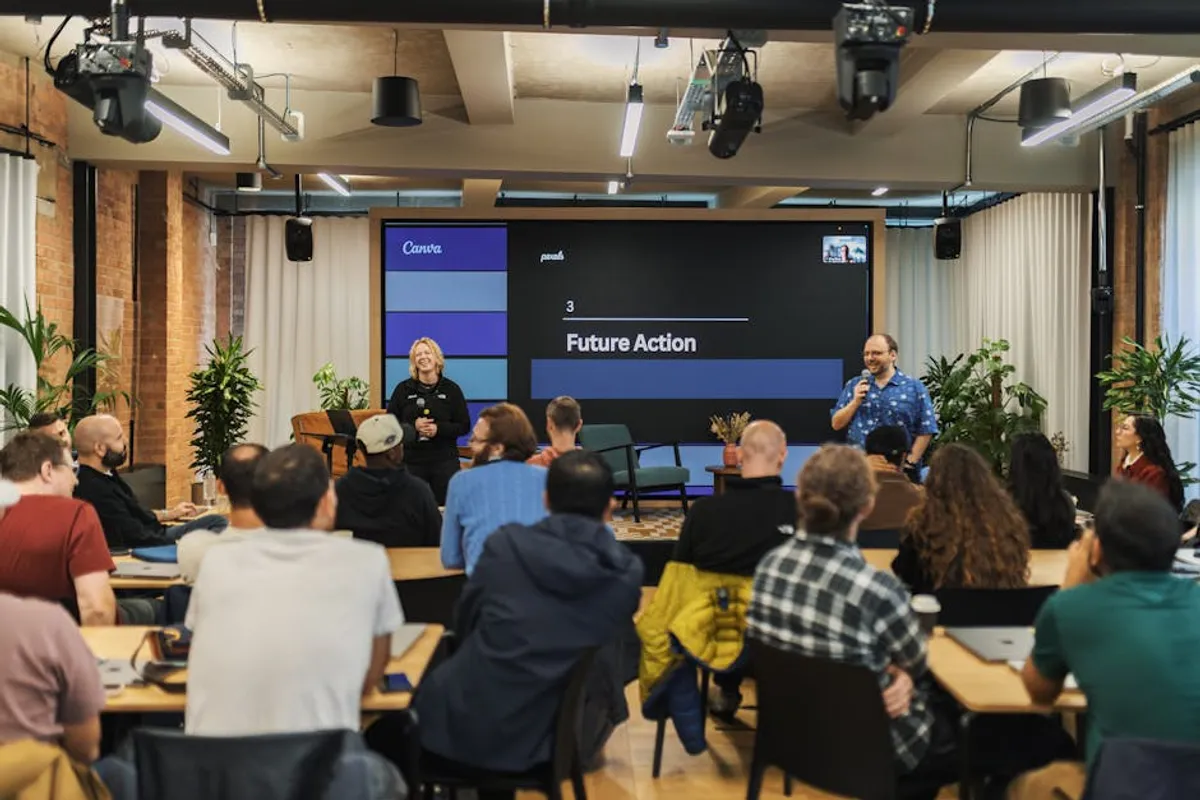
The landscape of community celebrations is undergoing a significant transformation, moving beyond traditional formats to embrace more dynamic, inclusive, and technologically integrated experiences. For event organizers, marketers, and community leaders, understanding these evolving trends is not merely about staying current; it is a strategic imperative for fostering deeper engagement, enhancing brand affinity, and creating commercially viable, memorable events. The shift demands a proactive approach to design and execution, prioritizing attendee experience, sustainability, and digital reach to ensure celebrations resonate with contemporary audiences and achieve measurable impact.
The Evolving Landscape of Community Engagement
Community engagement, once largely defined by physical gatherings, now encompasses a broader spectrum of interaction. Modern celebrations must contend with fragmented attention spans, a demand for authenticity, and a heightened awareness of social and environmental responsibility. This evolution pushes organizers to innovate, moving away from one-size-fits-all events towards tailored experiences that reflect the diverse values and preferences of their target communities. The goal is to cultivate genuine connection and participation, transforming passive attendees into active co-creators of the celebratory experience.
Key Trends Shaping Modern Celebrations
Hyper-Local Focus with Global Reach
A prominent trend involves anchoring celebrations in the unique cultural fabric and economic ecosystem of a specific locale. This means showcasing local artisans, musicians, food vendors, and historical narratives. The commercial benefit is twofold: it supports local businesses, fostering goodwill and community pride, while simultaneously offering a distinctive, authentic experience that differentiates the event. While physically rooted, these hyper-local events often leverage digital platforms to share their unique flavor with a global audience, extending their impact and appeal far beyond geographical boundaries. This dual approach maximizes both local immersion and broader visibility.
Immersive & Experiential Design
Static events are giving way to fully immersive experiences where attendees are active participants rather than mere observers. This trend emphasizes multi-sensory engagement, often incorporating interactive art installations, themed zones, performance art, and even augmented reality (AR) or virtual reality (VR) elements. The objective is to create a profound, memorable experience that encourages exploration and personal discovery. From a commercial standpoint, highly experiential events generate significant social media buzz, leading to user-generated content that acts as organic marketing, and command higher perceived value, justifying premium pricing or attracting increased sponsorship.
Sustainability and Ethical Sourcing
Environmental consciousness and ethical considerations are no longer optional add-ons; they are fundamental design principles for contemporary celebrations. Organizers are prioritizing waste reduction through comprehensive recycling programs, sourcing local and organic food, utilizing renewable energy where possible, and partnering with vendors committed to fair labor practices. This commitment resonates deeply with an increasingly values-driven audience, enhancing the event's reputation and attracting attendees who align with these principles. Demonstrating a clear commitment to sustainability can also open doors to grants, partnerships, and positive media coverage, contributing to long-term commercial viability.
Digital Integration and Hybrid Models
Technology plays a critical role in extending the reach and enhancing the experience of community celebrations. Live streaming, virtual components (e.g., online workshops, digital art galleries), interactive apps, and gamification are increasingly common. Hybrid models, combining in-person and virtual elements, offer greater accessibility and flexibility, allowing participation regardless of geographical constraints or physical limitations. For organizers, digital integration provides valuable data on attendee behavior and preferences, enabling more effective future planning and personalized engagement strategies. It also creates new sponsorship opportunities for digital activations and extends the lifespan of event content.
Inclusivity and Accessibility as Core Design Principles
Modern celebrations are intentionally designed to be welcoming and accessible to the broadest possible audience. This includes physical accessibility considerations (ramps, accessible restrooms), multilingual signage, diverse programming that reflects various cultural backgrounds, and sensory-friendly options for individuals with neurodivergent needs. Moving beyond mere compliance, proactive inclusivity ensures that all community members feel valued and represented. Commercially, this broadens the potential audience base, strengthens community goodwill, and positions the event or organization as a leader in equitable engagement, fostering loyalty and positive public perception.
Micro-Celebrations and Pop-Up Events
The trend towards smaller, more frequent, and agile events offers a flexible alternative or complement to large-scale annual festivals. Pop-up markets, themed block parties, temporary art installations, or niche workshops allow for experimentation, lower overheads, and more immediate responses to community interests. These micro-celebrations can maintain continuous engagement throughout the year, keeping a brand or cause top-of-mind. Their ephemeral nature often creates a sense of urgency and exclusivity, driving quicker participation and allowing organizers to test concepts before scaling. They are particularly effective for cultivating specific, highly engaged sub-communities.
Leveraging Trends for Commercial Advantage
Successfully integrating these celebration trends offers tangible commercial benefits for organizers and stakeholders. The focus shifts from simply hosting an event to curating an experience that generates measurable returns:
- Enhanced Sponsorship Value: Events demonstrating strong community impact, high engagement, and ethical practices become more attractive to sponsors seeking alignment with positive brand values.
- Increased Ticket Sales and Participation: Unique, immersive, and inclusive experiences drive higher attendance and willingness to pay for premium offerings.
- Valuable Data Collection: Digital integration provides insights into attendee demographics, preferences, and engagement patterns, informing future marketing and event design.
- Brand Loyalty and Advocacy: Memorable and meaningful experiences foster deeper connections, turning attendees into loyal advocates who promote the event through word-of-mouth and social sharing.
- New Revenue Streams: Hybrid models, exclusive experiential packages, and partnerships with local businesses can unlock diverse income opportunities beyond traditional ticket sales.
Pro Tip: When integrating new trends, prioritize authenticity over novelty. An immersive experience or sustainable initiative will only resonate if it feels genuine and aligned with the event's core purpose and the community's values. Superficial adoption risks appearing opportunistic and can detract from the overall impact.
Actionable Steps for Integrating New Celebration Trends
To effectively harness these evolving trends, event organizers should adopt a structured approach:
- Audience Deep Dive: Go beyond demographics. Understand psychographics, values, and preferred modes of engagement for your target community segments. This informs the choice of trends to prioritize.
- Strategic Partnerships: Collaborate with local artists, businesses, tech providers, and community organizations. These partnerships can enhance authenticity, expand reach, and distribute operational load.
- Pilot and Iterate: For larger shifts, consider piloting new concepts through smaller micro-celebrations or specific event zones. Gather feedback and data, then refine for broader application.
- Measure Beyond Attendance: Track engagement metrics (e.g., social media mentions, time spent at interactive stations, post-event survey sentiment) in addition to participant numbers. This demonstrates the qualitative impact of trend integration.
- Communicate Value: Clearly articulate how new elements contribute to a richer experience, community benefit, or environmental responsibility. This justifies investment and builds anticipation.
The future of community celebrations lies in their ability to adapt, innovate, and genuinely connect with people on multiple levels. By strategically embracing these trends, organizers can create events that are not only commercially successful but also deeply enriching for the communities they serve.
Frequently Asked Questions
How can small community groups adopt these trends with limited budgets?
Small groups can start with hyper-local focus by partnering with local businesses for resources or venues, and emphasize inclusivity through accessible planning. Digital integration can be low-cost by leveraging free social media tools for promotion and live streaming. Prioritize one or two trends that align most closely with available resources and community interest.
What are the primary commercial benefits of designing more inclusive events?
Inclusive event design broadens your potential audience, increasing ticket sales and participation. It also enhances your organization's reputation, attracting diverse sponsors and fostering stronger community goodwill, which translates into long-term loyalty and positive brand perception.
How do hybrid event models impact overall attendee engagement?
Hybrid models can increase overall engagement by offering flexible participation options. In-person attendees benefit from live interaction, while virtual participants gain access who might otherwise be excluded due to distance or other constraints. The key is to design engaging experiences for both audiences, ensuring neither feels secondary.
Is sustainability in events primarily about waste reduction, or are there broader implications?
Sustainability extends beyond waste reduction to encompass ethical sourcing, energy efficiency, local economic support, and social equity. It involves a holistic approach to minimizing environmental impact and maximizing positive social contributions throughout the event lifecycle, reflecting a broader commitment to responsible community engagement.

Write the first note
Thoughtful disagreement welcomed. Promotional links quietly trimmed.