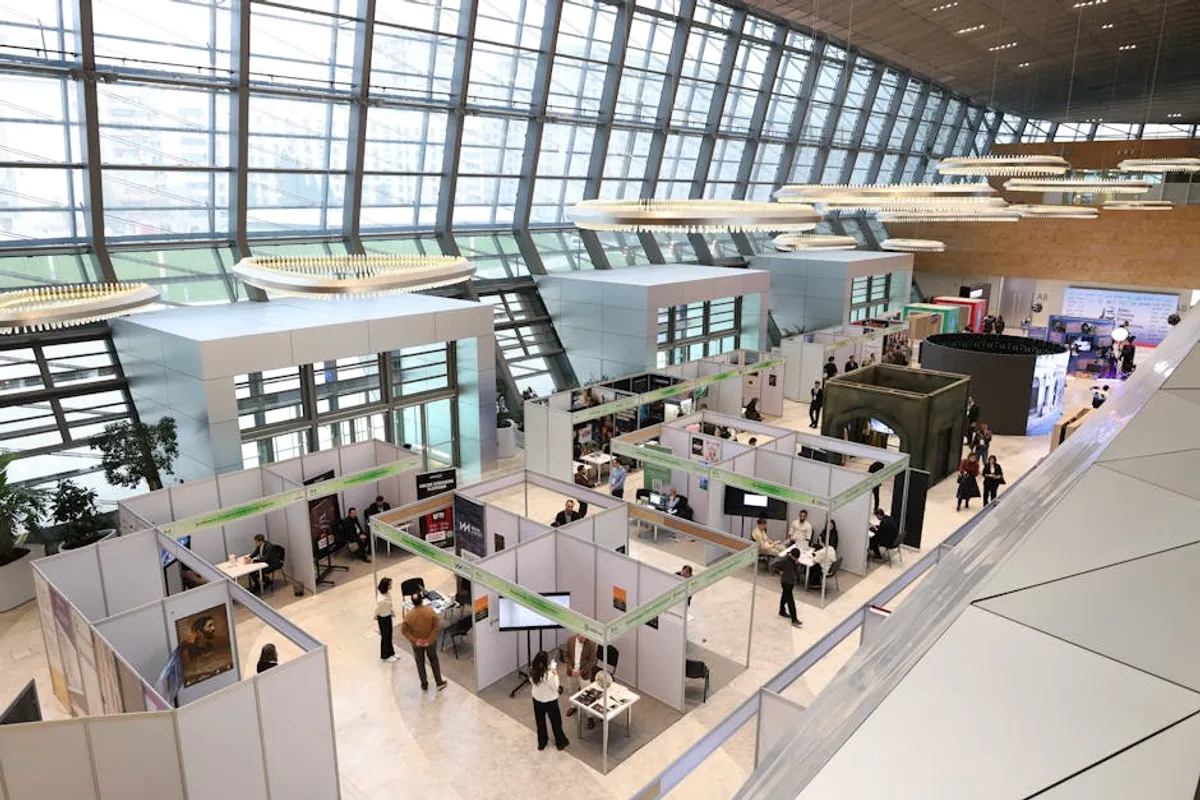
Effective event planning is not merely a sequence of tasks; it is a strategic process designed to achieve specific organizational objectives and deliver measurable impact. Whether the goal is lead generation, brand building, employee engagement, or community outreach, a structured approach ensures resources are optimized, risks are mitigated, and desired outcomes are realized. This detailed guide outlines the foundational steps required to plan any event, focusing on commercial utility and strategic execution from conception to post-event analysis.
Defining the Event's Core Purpose and Objectives
Every successful event begins with a clear understanding of its fundamental reason for existence. Without this clarity, subsequent planning efforts risk becoming unfocused and inefficient, leading to suboptimal results and wasted investment.
Identifying the "Why" and "What"
Before any logistical arrangements, articulate the core purpose. Is the event intended to launch a new product, cultivate client relationships, educate a target audience, or celebrate a milestone? The "why" dictates the event's format, content, and target attendees. For instance, a product launch demands a high-impact presentation and interactive demonstrations, while a client appreciation event prioritizes networking opportunities and personalized experiences. Define the target audience with precision: demographics, interests, and their anticipated needs or takeaways from the event. This specificity informs all subsequent decisions, from venue selection to marketing messaging.
Setting Measurable Goals (SMART Objectives)
Translate the event's purpose into Specific, Measurable, Achievable, Relevant, and Time-bound (SMART) objectives. Instead of a vague goal like "increase brand awareness," aim for "achieve a 15% increase in social media mentions related to our brand during the event week, as measured by social listening tools." For a sales-focused event, an objective might be "generate 50 qualified leads, with 10 converting to sales within three months, tracked via CRM." These quantifiable targets provide a benchmark for success and enable data-driven evaluation post-event.
Budgeting and Resource Allocation
Financial planning is the backbone of any event. A meticulously crafted budget ensures that spending aligns with strategic objectives and avoids unforeseen fiscal pressures.
Developing a Detailed Financial Plan
Create a comprehensive budget that itemizes every potential expense category. This includes venue rental, catering, audiovisual equipment, speaker fees, marketing and promotion, staff salaries, insurance, permits, and contingency funds (typically 10-15% of the total budget). Prioritize expenses based on their direct contribution to the event's core objectives. For example, if networking is paramount, invest more in quality catering and comfortable breakout spaces. Track all expenditures rigorously against the budget to maintain financial control throughout the planning and execution phases. Consider potential revenue streams, such as ticket sales, sponsorships, or merchandise, and project these conservatively.
Vendor Selection and Negotiation
The quality of an event often hinges on the reliability and professionalism of its vendors. Conduct thorough due diligence before committing. Request proposals from multiple vendors for key services (e.g., catering, AV, staging, security) and compare not only pricing but also experience, references, insurance coverage, and their understanding of your event's specific needs. Negotiate contracts meticulously, ensuring all services, deliverables, payment schedules, and cancellation clauses are clearly defined. A detailed contract protects both parties and minimizes disputes.
Logistics and Operations Management
This phase involves translating the strategic plan into actionable steps, coordinating multiple moving parts to ensure seamless execution on event day.
Venue Scouting and Booking
The venue sets the tone for the event. Consider capacity, location, accessibility, technical capabilities, and aesthetic alignment with your brand and event theme. Evaluate factors like parking, public transport access, and nearby accommodations for attendees. Visit potential sites in person to assess acoustics, lighting, and layout. Confirm availability for setup, event duration, and teardown. Secure the venue with a detailed contract that specifies all inclusions, exclusions, and payment terms.
Timeline Creation and Task Assignment
Develop a granular timeline or project plan that breaks down all tasks into manageable steps with assigned owners and deadlines. This includes:
- Content development (presentations, speeches, workshops)
- Speaker invitations and management
- Registration system setup
- Marketing campaign launch and monitoring
- Sponsorship acquisition and fulfillment
- Logistical arrangements (transport, accommodation, security)
- On-site staffing and volunteer coordination
- Post-event follow-up planning
Regularly review progress with the team, identifying and addressing any bottlenecks early.
Marketing and Promotion Strategy
Even the most meticulously planned event will fail without an audience. Develop a multi-channel marketing strategy tailored to your target attendees. This may include email campaigns, social media advertising, public relations, partner promotions, and targeted outreach. Craft compelling messaging that highlights the event's value proposition and aligns with audience interests. Use clear calls to action and track registration or attendance rates to adjust strategies as needed. Consider early-bird discounts or group rates to incentivize early commitments.
Pro Tip: Always secure written agreements with all vendors and key stakeholders, detailing scope of work, timelines, payment terms, and contingency plans. Verbal agreements, even with trusted partners, can lead to misunderstandings and costly delays.
Risk Management and Contingency Planning
Anticipating potential problems and having backup plans in place is critical for maintaining event flow and attendee satisfaction.
Identifying Potential Obstacles
Brainstorm a comprehensive list of potential risks: technical failures (AV issues, internet outage), weather disruptions, speaker cancellations, lower-than-expected attendance, medical emergencies, security threats, or vendor no-shows. For each identified risk, assess its likelihood and potential impact on the event's objectives.
Developing Backup Protocols
For each significant risk, develop a specific contingency plan. This could involve having backup equipment on standby, identifying alternative venues or dates, preparing substitute speakers or content, or having an emergency communication plan for attendees. Ensure all key staff members are aware of these protocols and their roles in executing them. A well-rehearsed contingency plan can prevent minor issues from escalating into major disruptions.
Post-Event Evaluation and Follow-Up
The event doesn't end when the last attendee leaves. Post-event activities are crucial for measuring success, demonstrating ROI, and informing future planning.
Gathering Feedback and Data
Collect feedback from attendees, speakers, sponsors, and staff through surveys, interviews, and informal conversations. Monitor social media mentions and media coverage. Gather quantitative data on attendance, engagement rates (e.g., app usage, session attendance), lead generation, and sales conversions. Analyze website traffic spikes and post-event content downloads.
Analyzing Performance Against Objectives
Compare the collected data against your initial SMART objectives. Did the event meet its goals for attendance, lead generation, or brand engagement? Identify areas where objectives were exceeded and where they fell short. Document key successes and challenges, providing specific examples and data points. This analysis forms the basis for a comprehensive post-event report.
Maximizing Event Impact: Sustained Engagement
To truly maximize the return on event investment, extend the engagement beyond the event day. Share event content (recordings, presentations, photos) with attendees and those who couldn't make it. Follow up with leads promptly and nurture new relationships. Send personalized thank-you notes to speakers, sponsors, and key attendees. Use the insights gained from post-event evaluation to refine future event strategies, ensuring a continuous cycle of improvement and value creation.
FAQ
Q: How far in advance should event planning begin?
A: For large-scale events (e.g., conferences, major festivals), planning should ideally begin 9-12 months in advance. Smaller events (e.g., workshops, corporate meetings) may require 3-6 months. This allows ample time for venue booking, vendor negotiation, marketing, and contingency planning.
Q: What is the most critical element of an event budget?
A: The contingency fund is arguably the most critical element. Unexpected costs or changes are almost inevitable, and having 10-15% of the total budget reserved for these eventualities prevents financial crises and ensures the event can adapt to unforeseen circumstances without compromising quality.
Q: How can I ensure high attendee engagement during the event?
A: Foster engagement through interactive sessions, Q&A panels, networking breaks, and dedicated spaces for discussion. Utilize event apps for live polling, surveys, and direct messaging. Encourage social media participation with a unique hashtag. Ensure content is relevant, dynamic, and delivered by engaging speakers.
Q: What’s the best way to measure event ROI?
A: Measuring ROI involves comparing the total event costs against the quantifiable benefits achieved. This includes direct revenue generated (ticket sales, sponsorships), lead conversion rates, media value from PR, website traffic increases, and improvements in brand sentiment or customer loyalty surveys. Define your key performance indicators (KPIs) upfront and track them consistently.

Write the first note
Thoughtful disagreement welcomed. Promotional links quietly trimmed.