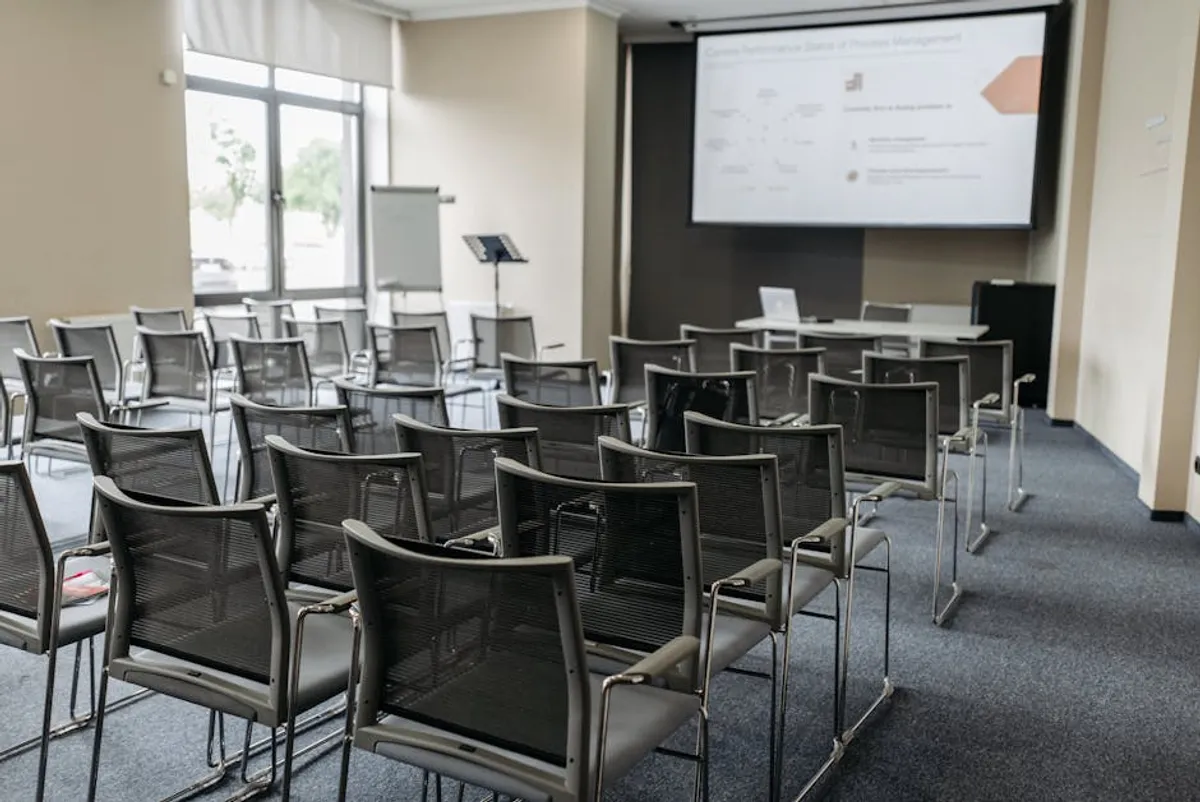
Successful event hosting, whether for a corporate launch, a private celebration, or a community gathering, hinges on meticulous planning and execution. The difference between a memorable event and one fraught with stress often comes down to a structured approach. A comprehensive event planning checklist provides the framework to manage complex logistics, allocate resources effectively, and ensure every detail contributes to the desired outcome. This guide outlines the critical stages and specific considerations for hosts aiming to deliver seamless, impactful events.
Pre-Event Planning: Laying the Strategic Foundation
The initial phase dictates the event's overall direction and feasibility. Skipping these steps often leads to scope creep, budget overruns, and missed opportunities.
Defining Event Goals and Audience
Before any booking or budgeting, clarify the event's purpose. Is it to generate leads, celebrate a milestone, educate attendees, or foster community? Specific goals inform every subsequent decision. Simultaneously, profile your target audience: their demographics, interests, and expectations. This informs content, venue choice, catering, and communication style.
- Goal Clarity: Quantifiable objectives (e.g., "achieve 150 registrations," "secure 10 media mentions") provide measurable success metrics.
- Audience Insight: Understanding attendee preferences ensures relevance and engagement, from dietary options to entertainment choices.
Budget Allocation and Financial Oversight
A detailed budget is the financial blueprint. Categorize all potential expenses, including venue rental, catering, AV equipment, decor, staffing, marketing, and contingency funds (typically 10-15% of the total budget). Track expenditures rigorously against projections to prevent financial surprises.
Venue Selection and Logistics
The venue sets the tone and dictates much of the logistical planning. Consider capacity, accessibility, amenities (restrooms, parking, Wi-Fi, power outlets), and aesthetic fit with the event theme. Confirm availability, contract terms, insurance requirements, and any exclusive vendor policies.
Vendor Sourcing and Management
Reliable vendors are crucial. This includes caterers, photographers, florists, AV technicians, and entertainers. Obtain multiple quotes, review portfolios, and check references. Clearly define expectations in contracts, including deliverables, timelines, payment schedules, and cancellation policies. Designate a single point of contact for each vendor to streamline communication.
Guest List and Invitations Strategy
Develop a definitive guest list based on your event goals and audience profile. Determine the invitation method (e.g., email, physical mail, event platform) and design. Include all essential information: date, time, location, dress code, agenda, and RSVP instructions with a clear deadline. Track RSVPs diligently to manage headcount for catering and seating.
Marketing and Promotion (for Public Events)
For events open to the public or requiring attendance generation, a marketing plan is essential. Identify target channels (social media, email campaigns, press releases, partnerships) and craft compelling messaging. Implement a timeline for announcements, early bird offers, and reminders to build anticipation and drive registrations.
Pro Tip: Always secure written contracts with all vendors, no matter how small the service. These documents protect both parties by clearly outlining responsibilities, costs, and contingencies, preventing misunderstandings and ensuring recourse if issues arise.
Mid-Event Preparation: The Execution Phase
With strategic decisions made, this phase focuses on translating plans into actionable steps and preparing for event day.
Detailed Timeline and Run-of-Show Development
Create a minute-by-minute or hour-by-hour schedule for event day. This "run-of-show" details every activity, from vendor arrival and setup to guest registration, presentations, meal service, entertainment, and breakdown. Assign specific roles and responsibilities for each item, ensuring accountability.
Staffing and Volunteer Coordination
Determine staffing needs for registration, guest assistance, technical support, and general oversight. Recruit and train staff or volunteers, providing clear instructions, schedules, and emergency contacts. Conduct a pre-event briefing to ensure everyone understands their roles and the overall event flow.
Contingency Planning
Anticipate potential problems and develop backup plans. This includes weather alternatives for outdoor events, backup AV equipment, extra supplies (first-aid kits, stationery), and a plan for unexpected cancellations or no-shows from key personnel or vendors. Identify a designated problem-solver for event day.
Registration and Check-in Process
Design an efficient system for guest arrival. This could involve pre-printed badges, QR code scanning, or a simple sign-in sheet. Ensure sufficient staff are available to manage queues, answer questions, and provide a welcoming first impression. Prepare a clear information desk for inquiries.
Decor and Ambiance Setup
Plan the layout and decor to align with the event's theme and goals. This includes seating arrangements, signage, lighting, floral arrangements, and any branding elements. Coordinate setup and breakdown times with the venue and relevant vendors.
Event Day Management: Live Execution
On event day, the focus shifts to real-time management and problem-solving to ensure a smooth guest experience.
On-Site Coordination and Problem Solving
Designate a lead coordinator who oversees all aspects of the event. This person acts as the central point of contact for staff, vendors, and guests, making quick decisions to address any issues that arise. Regular check-ins with key personnel are essential.
Guest Experience Management
Ensure a welcoming and comfortable environment. This includes clear wayfinding signage, accessible facilities, and staff who are visible and ready to assist. Monitor guest flow, comfort levels, and engagement throughout the event, making minor adjustments as needed.
Vendor Supervision
Confirm all vendors arrive on time and set up according to the agreed schedule. Oversee their services throughout the event to ensure quality and adherence to contractual obligations. Address any discrepancies or issues immediately.
Emergency Protocols
Brief all staff on emergency procedures, including evacuation routes, first-aid locations, and contact information for local emergency services. Have a designated person responsible for managing any medical or safety incidents.
Post-Event Follow-up: Maximizing Impact
The event doesn't end when the last guest leaves. Post-event activities are crucial for measuring success, gathering insights, and maintaining relationships.
Thank You Notes and Communication
Send personalized thank-you messages to guests, speakers, sponsors, vendors, and staff. This reinforces relationships and expresses appreciation. Include a brief recap or photos if appropriate.
Feedback Collection and Analysis
Distribute surveys to gather feedback from attendees and key stakeholders. Ask specific questions about their experience, what worked well, and areas for improvement. Analyze this data to gain insights for future events.
Financial Reconciliation
Review all invoices and payments against the budget. Reconcile actual expenses with projections. This provides a clear financial picture and helps refine budgeting for subsequent events.
Post-Event Marketing (for Public Events)
Share event highlights, photos, videos, and key takeaways on your website, social media, and through email newsletters. This extends the event's reach, reinforces its impact, and builds anticipation for future offerings.
Debrief and Lessons Learned
Conduct an internal debriefing session with your core planning team. Discuss what went well, what could be improved, and document best practices. This institutional knowledge is invaluable for optimizing future event planning processes.
Actionable Steps for Event Hosts
Effective event hosting is a continuous cycle of planning, execution, and refinement. By adhering to a structured checklist, hosts can mitigate risks, enhance guest satisfaction, and achieve their event objectives more consistently. Prioritize clear communication, meticulous documentation, and proactive problem-solving at every stage to transform ambitious visions into successful realities.
Frequently Asked Questions
How far in advance should I start planning an event?
For large-scale events (200+ guests), begin 6-12 months in advance. Medium events (50-200 guests) require 3-6 months. Smaller, simpler gatherings can be planned in 1-3 months. The complexity and number of vendors heavily influence the timeline.
What is the most common mistake hosts make in event planning?
Underestimating the budget or time required is a frequent pitfall. Many hosts neglect contingency funds, leading to stress when unexpected costs arise. Another common mistake is insufficient communication with vendors and staff, causing confusion on event day.
How can I ensure guest engagement during the event?
Beyond the core content, incorporate interactive elements like Q&A sessions, polls, networking opportunities, or unique entertainment. Ensure comfortable seating, clear acoustics, and accessible information. A welcoming atmosphere and attentive staff also significantly contribute to engagement.
Should I hire an event planner, or can I manage it myself?
Hiring an event planner is beneficial for complex, high-stakes events or if you have limited time and experience. They bring expertise, vendor networks, and can manage logistics. For smaller, more personal events, or if you enjoy the process and have a strong organizational system, self-management with a detailed checklist is entirely feasible.

Write the first note
Thoughtful disagreement welcomed. Promotional links quietly trimmed.