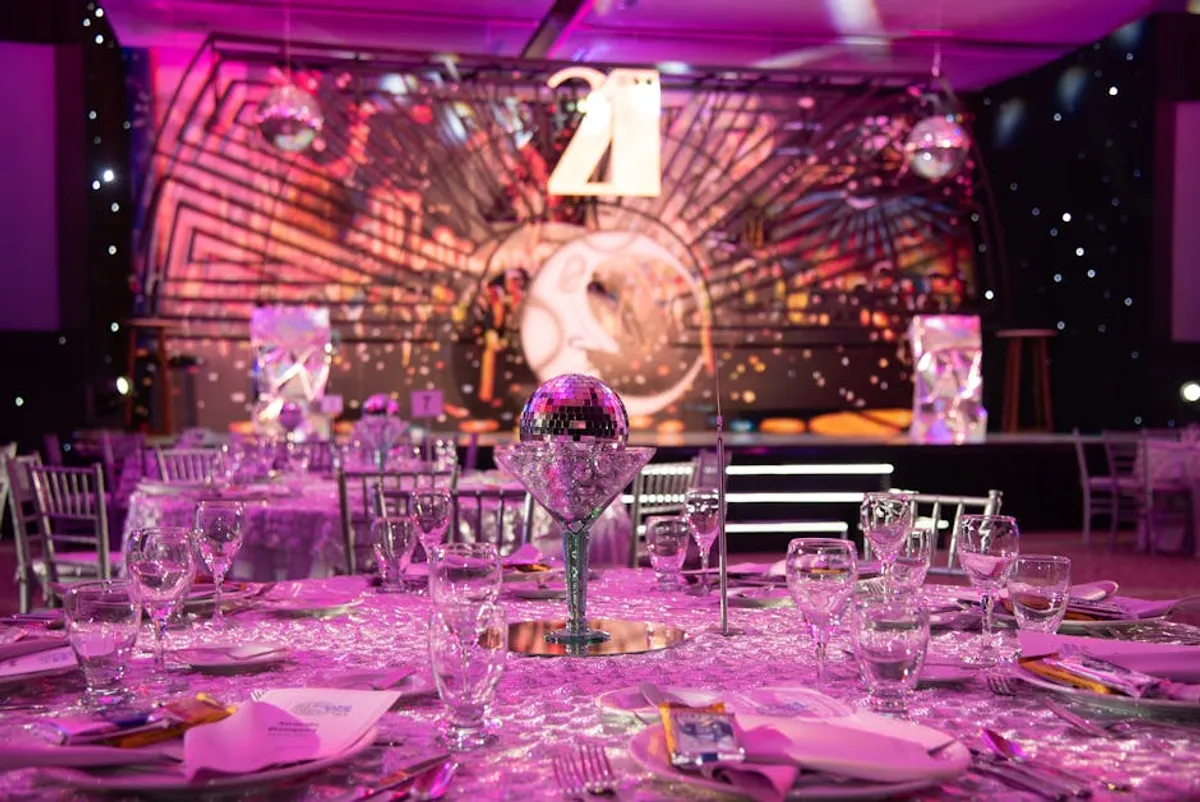
Hosting a memorable party often feels synonymous with a significant financial outlay, creating a barrier for many who wish to celebrate. However, a well-chosen theme can transform a modest budget into a distinctive and engaging event. The core principle lies in leveraging creativity over cash, focusing on atmosphere, activities, and clever resourcefulness. This approach shifts the emphasis from expensive decor and catering to thoughtful engagement and personalized touches, ensuring guests leave with positive memories rather than the host with a depleted bank account. The right theme acts as a blueprint, guiding decisions on decorations, food, music, and activities to maximize impact while minimizing expenditure.
What to Consider for Budget-Friendly Party Themes
Selecting a party theme with cost-effectiveness in mind requires strategic thinking. Prioritize themes that naturally lend themselves to DIY decorations, utilize items you already own, or encourage guest participation in a way that reduces host burden. Consider themes where food can be simple yet thematic, or where entertainment is inherent to the concept rather than requiring external hires. Evaluate the potential for thrift store finds, repurposed materials, and digital resources for music or visuals. The most successful budget themes often tap into nostalgia, comfort, or a clear, singular aesthetic that simplifies decision-making and limits extraneous purchases. Focus on experiences that create connection and fun, rather than elaborate displays.
1. Retro Decade Party (e.g., 80s or 90s)
A retro decade party thrives on nostalgia, allowing guests to embrace a specific era through fashion, music, and pop culture references. This theme is inherently budget-friendly because many attendees already own clothing or accessories from these periods, or can easily find them at thrift stores. Decorations can be minimal, relying on iconic imagery, album covers printed from online sources, or simple color schemes. The music playlist is readily available through streaming services, eliminating the need for a DJ. The focus shifts to the collective memory and shared experience of the chosen decade.
Best for: Guests who enjoy dressing up, music enthusiasts, and those looking for an interactive theme with built-in conversation starters.
Pros:
- Low costume cost due to thrift store availability or existing wardrobes.
- Music is free via streaming platforms.
- Decorations can be DIY using printed images or simple props.
- Encourages guest participation and creative expression.
Cons:
- Requires guests to engage with the theme for full effect.
- Some guests may find it challenging to source appropriate attire.
- Can feel generic if not executed with specific decade details.
Verdict: An excellent choice for its high engagement potential and minimal direct cost to the host, provided guests are willing to participate in the dress code. The atmosphere is largely created by the attendees themselves.
2. Potluck Picnic or BBQ
This theme directly addresses one of the largest party expenses: food. By inviting guests to bring a dish to share, the host's financial burden is significantly reduced, often covering only drinks, basic grilling items, or a single main dish. The setting is typically outdoors in a park, backyard, or communal space, minimizing decoration costs. Entertainment is organic, centered around conversation, lawn games, or simple background music. It fosters a communal, relaxed atmosphere where everyone contributes to the feast.
Best for: Casual gatherings, large groups, and hosts with access to outdoor space. Ideal for fostering community and shared culinary experiences.
Pros:
- Significantly reduces food costs for the host.
- Encourages a diverse array of dishes.
- Outdoor setting often requires minimal decoration.
- Promotes a relaxed, interactive social environment.
Cons:
- Food quality and quantity can be unpredictable.
- Requires clear communication to guests about what to bring.
- May involve more cleanup if guests bring many serving dishes.
Verdict: A highly practical and cost-effective option for hosts aiming to minimize food expenditure while maximizing guest interaction and variety. Success hinges on clear communication regarding contributions.
3. Board Game or Card Game Night
Entertainment is the central focus of a board game or card game night, with the games themselves serving as the primary activity and often the decor. Most hosts or their guests already own a selection of games, eliminating rental or purchase costs. Food can be simple, snack-based fare like popcorn, chips, and dips, which are inexpensive to prepare or buy in bulk. Drinks can also be straightforward. The atmosphere is naturally engaging, driven by friendly competition and strategic thinking.
Best for: Smaller groups, guests who enjoy strategy and competition, and indoor gatherings. Particularly good for colder months or intimate settings.
Pros:
- Entertainment is built-in and free if games are already owned.
- Food costs are low, focusing on snacks and finger foods.
- Requires minimal decoration beyond a comfortable playing space.
- Fosters active engagement and conversation.
Cons:
- Not all guests may enjoy board games.
- Can become competitive, potentially alienating some participants.
- Requires enough table space for multiple games.
Verdict: An excellent choice for an engaging, low-cost party where entertainment is paramount. The success depends on selecting games suitable for the guest list and ensuring adequate space.
4. Backyard Movie Night
Transforming a backyard into an open-air cinema offers a unique experience without significant cost, especially if you already own a projector. A white sheet or plain wall can serve as the screen. Seating can be blankets, pillows, and folding chairs brought from inside. Snacks like popcorn, candy, and drinks are classic movie fare and budget-friendly. The magic comes from the novelty of the outdoor setting and the shared cinematic experience under the stars.
Best for: Warm weather, families, and groups who appreciate a relaxed, communal viewing experience. Requires a projector and suitable outdoor space.
Pros:
- Leverages existing equipment (projector, sheets, blankets).
- Snacks are simple and inexpensive.
- Creates a unique, memorable atmosphere.
- Minimal decoration required beyond comfortable seating.
Cons:
- Requires a projector, which not everyone owns.
- Dependent on good weather conditions.
- Sound can be a challenge in open spaces.
Verdict: A highly atmospheric and budget-conscious theme for those with the right equipment and a suitable outdoor space. The novelty of the experience often outweighs any simple setup.
5. DIY Craft Party
A craft party turns the activity into the main event, and often the party favor. Hosts can select an inexpensive craft, such as friendship bracelets, painted rocks, custom keychains, or simple origami. Materials can be purchased in bulk from discount craft stores. Guests enjoy the hands-on activity, and they leave with a tangible reminder of the event. Food and drinks can be kept simple, as the focus is on creation.
Best for: Creative groups, children's parties, or adults who enjoy hands-on activities. Promotes interaction and a sense of accomplishment.
Pros:
- Entertainment is self-contained and engaging.
- Materials can be sourced affordably.
- Guests leave with a personalized party favor.
- Encourages conversation and shared creative effort.
Cons:
- Requires some planning for material acquisition.
- Not all guests may enjoy crafting.
- Can be messy, requiring protective coverings.
Verdict: An excellent option for an interactive, low-cost party, particularly effective when the chosen craft is accessible and appealing to the guest list. The creative output serves as both activity and takeaway.
6. Color Theme Party
A color theme party simplifies every aspect of planning by providing a singular visual focus. Guests are asked to wear clothing in the chosen color, and decorations are limited to items in that hue. This can involve inexpensive streamers, balloons, tablecloths, or even food items naturally occurring in the color (e.g., green grapes, red berries). The uniformity of color creates a striking visual impact with minimal effort and expense, as many decorative items can be bought cheaply in specific colors.
Best for: Visually oriented parties, hosts seeking a simple yet impactful aesthetic, and guests who enjoy a clear dress code.
Pros:
- Simplifies decoration choices and purchases.
- Guests contribute to the theme through their attire.
- Creates a cohesive and visually striking atmosphere.
- Inexpensive to execute with basic party supplies.
Cons:
- Can feel too simplistic if not paired with engaging activities.
- Some guests may not own clothing in the specific color.
- Food options might be limited if strictly adhering to the color theme.
Verdict: A highly effective budget theme for creating a strong visual identity with minimal cost. Its success lies in the collective participation of guests and the intentional use of the chosen color across elements.
7. "Around the World" (One Country Focus)
Instead of attempting a broad "Around the World" theme, focusing on a single country or culture makes the party manageable and budget-friendly. Choose a country with easily accessible food ingredients, distinct music, and simple, recognizable decorative elements. For example, a "Fiesta Mexicana" theme could involve inexpensive paper decorations, tacos, and a mariachi playlist. This narrowed focus allows for authenticity without excessive spending, as resources can be concentrated on specific, impactful details.
Best for: Culturally curious groups, foodies, and those looking for an immersive experience without global costs. Good for celebrating a specific heritage.
Pros:
- Allows for authentic, impactful decor and food choices.
- Music and visual inspiration are readily available online.
- Narrows down choices, simplifying planning and purchasing.
- Offers an educational and immersive experience.
Cons:
- Requires some research into the chosen culture.
- Can be challenging to source authentic ingredients in some areas.
- Risk of cultural appropriation if not handled respectfully.
Verdict: A rewarding budget theme that offers depth and immersion. Success relies on thoughtful research and respectful representation of the chosen culture, focusing on accessible elements.
8. Luau or Beach Party
Even without actual sand and sea, a luau or beach party can be created affordably. Decorations can include inexpensive leis, plastic flamingos, tiki torches (battery-operated for safety), and beach balls. Music is readily available via streaming services. Food can be simple grilled items, fruit platters, and themed drinks. The key is to evoke a relaxed, tropical atmosphere, often leveraging an outdoor space or creating a vibrant indoor setting with bright colors.
Best for: Summer gatherings, outdoor spaces, and groups who enjoy a relaxed, festive atmosphere. Good for celebrating warmth and sunshine.
Pros:
- Decorations are typically inexpensive and easy to find.
- Food can be simple and fresh (e.g., grilled, fruit).
- Music creates an instant tropical vibe.
- Encourages casual dress and a laid-back mood.
Cons:
- Requires good weather if held outdoors.
- Can feel cliché if not executed with some originality.
- Some decorations (like real leis) can become costly.
Verdict: A perennially popular and budget-friendly theme that relies on vibrant colors, simple props, and a relaxed attitude. Effective for creating a vacation-like escape at home.
9. Mystery Dinner Party
A mystery dinner party provides structured entertainment that serves as the main activity. Scripts for these parties can often be found online for free or at a low cost. Guests are assigned characters and given clues, and the dinner progresses as they attempt to solve a fictional crime. The focus is entirely on the interactive narrative. Food can be simple, as the plot takes precedence, and decorations are minimal, often just a well-set dinner table.
Best for: Engaged groups who enjoy role-playing, problem-solving, and theatrical interaction. Ideal for intimate gatherings.
Pros:
- Entertainment is provided by the script and guest interaction.
- Minimal decoration costs; focus is on the story.
- Encourages active participation and character development.
- Creates a highly memorable and unique experience.
Cons:
- Requires guests to be willing to role-play.
- Can be time-consuming to organize character assignments.
- Scripts can sometimes be difficult to follow for first-timers.
Verdict: A highly engaging and cost-effective theme for groups willing to immerse themselves in a narrative. The entertainment value far outweighs the minimal expenditure on props or food.
10. Pajama Party
The pajama party theme emphasizes comfort and relaxation, making it inherently low-cost. Guests arrive in their pajamas, eliminating any costume worries. Activities can include classic sleepover fare like movie marathons, board games, or storytelling. Food is typically simple comfort food: pizza, snacks, and breakfast items if it extends overnight. Decorations are almost non-existent, relying on a cozy atmosphere created by blankets, pillows, and soft lighting.
Best for: Close friends, intimate gatherings, and anyone seeking a truly relaxed and unpretentious celebration. Excellent for a cozy night in.
Pros:
- No costume costs for guests or host.
- Food is simple, comfort-oriented, and inexpensive.
- Decorations are minimal, focusing on comfort items.
- Promotes a relaxed, intimate, and fun atmosphere.
Cons:
- May not appeal to all guests, especially formal types.
- Can feel too casual for some celebratory occasions.
- Limited activity options beyond indoor, low-key entertainment.
Verdict: An exceptionally budget-friendly theme that prioritizes comfort and intimacy. Its success comes from embracing simplicity and creating a genuinely relaxed environment for close friends.
11. Book Club or Literary Theme
A literary party centers around a specific book, author, or genre. Guests can come dressed as a character, discuss the chosen work, or participate in literary-themed games (e.g., character charades, book title Pictionary). Decorations can involve stacks of books, printed literary quotes, or simple props related to the chosen narrative. Food can be inspired by the book's setting or simple snacks that facilitate conversation. This theme leverages intellectual engagement as its primary draw.
Best for: Book lovers, intellectual groups, and those who enjoy meaningful discussion. Can be adapted for various age groups and literary tastes.
Pros:
- Encourages intellectual engagement and discussion.
- Decorations can be made from existing books or printed materials.
- Costumes are often simple and DIY-friendly.
- Provides a structured activity (book discussion, games).
Cons:
- Requires guests to have read the book or be interested in the theme.
- Can feel exclusive to non-readers.
- Finding relevant and affordable props might require creativity.
Verdict: A sophisticated and budget-conscious theme that appeals to a specific audience. Its success hinges on the shared interest in literature and the host's ability to facilitate engaging discussions or activities.
12. Garden Party or High Tea
If you have access to a garden or even a pleasant outdoor space, a garden party or high tea leverages the natural environment as its primary decor. Simple floral arrangements (from your garden or inexpensive market flowers), thrifted teacups and saucers, and white tablecloths create an elegant atmosphere. Food consists of small finger sandwiches, scones, and pastries, which can be made inexpensively at home. The focus is on delicate presentation and refined conversation in a beautiful setting.
Best for: Daytime gatherings, hosts with gardens, and groups who appreciate elegance and light fare. Ideal for spring or summer afternoons.
Pros:
- Utilizes existing outdoor space as decor.
- Food items are typically small, homemade, and inexpensive.
- Thrift stores are excellent sources for teacups and serving dishes.
- Creates an elegant and sophisticated ambiance with minimal cost.
Cons:
- Weather-dependent if held outdoors.
- Requires some effort in preparing delicate finger foods.
- May not appeal to guests looking for a more robust meal.
Verdict: An elegant and surprisingly budget-friendly option that maximizes the beauty of a natural setting. The focus on presentation and homemade treats makes it feel luxurious without the expense.
Choosing the Right Budget Party Theme
Selecting the optimal budget-friendly party theme involves more than just cost; it requires considering your guest list, your resources, and the desired atmosphere. Begin by evaluating your existing assets: do you have a large backyard, a collection of board games, or a projector? These items can inform your theme choice and significantly reduce expenses. Next, consider your guests' preferences and comfort levels. A highly interactive theme like a mystery dinner works best with an outgoing group, while a pajama party suits close friends. Finally, prioritize the experience. A simple, well-executed theme that encourages interaction and fun will always be more memorable than an over-budget, elaborate affair. Focus on one or two key elements that define the theme, and let creativity fill in the gaps, rather than relying on extensive purchases.
Frequently Asked Questions About Budget Party Planning
How can I save on food for a party?
Focus on themes that naturally lend themselves to budget-friendly food, like a potluck where guests contribute, or a snack-focused event like a movie or game night. Opt for homemade dishes over catering, utilize seasonal produce, and buy in bulk when possible for staples like chips or drinks. Simple appetizers and desserts are often more cost-effective than full meals.
What are some tips for inexpensive decorations?
Leverage existing items in your home, such as blankets, pillows, or books. DIY decorations using craft supplies, printed images, or repurposed materials (e.g., jars as candle holders) can be very effective. Thrift stores are excellent for unique and affordable props. Balloons and streamers in a specific color scheme offer high visual impact for minimal cost. Natural elements like flowers from your garden or collected leaves also provide free decor.
How can I keep entertainment costs down?
Choose themes where entertainment is inherent, such as board game nights, movie screenings (if you own a projector), or craft parties. Create your own music playlists using streaming services instead of hiring a DJ. Organize classic party games like charades or trivia. Encourage guests to contribute to the entertainment, for example, by sharing a talent or a story.
Is it acceptable to ask guests to contribute to a party?
Absolutely, especially for budget-conscious events. A potluck is a common and widely accepted way for guests to contribute food. You can also suggest guests bring their favorite drink to share. Frame the request positively, emphasizing the communal aspect and shared experience, rather than focusing on the cost savings for the host.
How do I make a budget party feel special?
Focus on thoughtful details and a strong atmosphere. A personalized playlist, a heartfelt welcome, a cohesive theme, and engaging activities can elevate the experience far more than expensive decor. Pay attention to lighting, comfort, and the flow of the event. A genuinely warm and welcoming host can make any party feel special, regardless of the budget.



Write the first note
Thoughtful disagreement welcomed. Promotional links quietly trimmed.