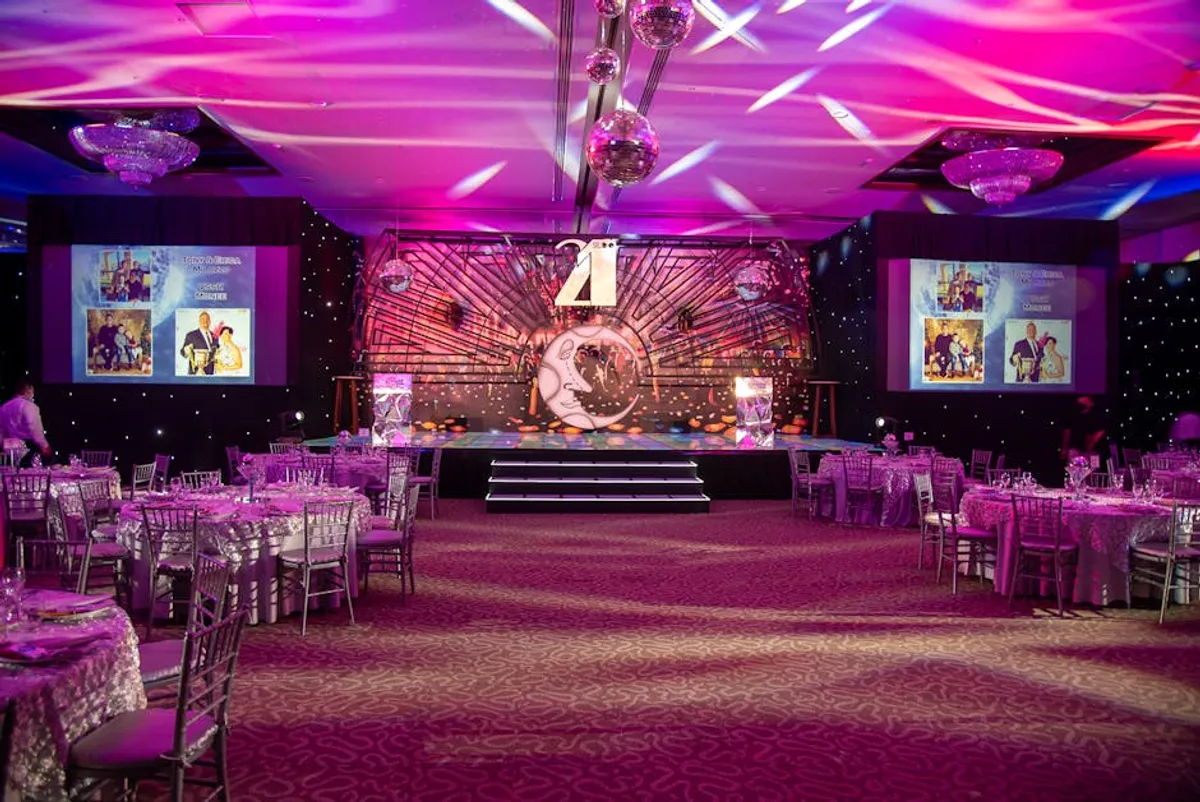
Selecting a party theme transcends mere aesthetics; it is a strategic decision that directly influences guest engagement, event memorability, and overall budget efficiency. For hosts, particularly those managing corporate functions, product launches, or significant client appreciation events, a well-defined theme serves as the foundational blueprint for every subsequent planning choice. This checklist provides a structured approach to identifying, evaluating, and implementing a theme that aligns with your event's objectives and resonates with your target audience, ensuring a cohesive and impactful experience. This checklist provides a structured approach to identifying, evaluating, and implementing a theme that aligns with your event's objectives and resonates with your target audience, ensuring a cohesive and impactful celebration.
Strategic Theme Selection: Aligning with Event Objectives
Before diving into creative concepts, establish the core purpose of your event. A theme for a casual team-building mixer differs significantly from one for a high-stakes investor dinner. Clarity here prevents misdirection and ensures all thematic elements contribute to your desired outcome.
Defining Your Event's Core Purpose
Pinpoint the primary goal. Is it to foster networking, celebrate an achievement, launch a new product, or educate attendees? Each objective suggests different thematic approaches. For example, a product launch might benefit from a futuristic or innovative theme, emphasizing forward-thinking, while a celebration could lean into classic elegance or a vibrant, celebratory motif. The theme should reinforce the event's underlying message, not distract from it.
Audience Profiling for Engagement
Understanding your guests is paramount. Consider their demographics, professional backgrounds, interests, and cultural sensitivities. A theme that excites a younger, tech-savvy crowd might fall flat with a more conservative, older demographic. Gauge their likely willingness to participate in dress codes or interactive elements. The goal is to select a theme that feels accessible and appealing to the majority, encouraging participation rather than alienating attendees.
Budgetary Realities and Resource Allocation
Every theme carries a financial implication. Elaborate themes often require specialized decor, custom catering, unique entertainment, and specific venue considerations. Assess your allocated budget early to determine the scope of thematic execution. A simpler, well-executed theme often outperforms an ambitious one that falls short due to budget constraints. Factor in costs for decorations, costumes (if applicable), themed food/drinks, entertainment, and any custom signage or branding elements.
Exploring Theme Categories and Their Impact
Themes generally fall into several broad categories, each with distinct advantages and execution requirements.
Classic and Elegant Themes
Best for: Formal galas, awards ceremonies, corporate anniversaries.
Examples include "Old Hollywood Glamour," "Roaring Twenties," "Masquerade Ball," or "Black Tie Affair." These themes offer a sophisticated atmosphere, often requiring refined decor, classic music, and formal attire. They tend to have broad appeal and are generally easier to execute with standard event resources, focusing on quality over novelty.
Modern and Experiential Themes
Best for: Product launches, innovation summits, team-building events.
These themes prioritize immersion and interaction. Examples like "Futuristic Tech Gala," "Interactive Gaming Night," "Mystery Dinner," or "Around the World Journey" encourage guest participation. They often demand more complex planning for interactive elements, specialized AV equipment, and creative catering, but can deliver high memorability and engagement.
Cultural and Seasonal Themes
Best for: Holiday parties, cultural celebrations, casual mixers.
Themes such as "Tropical Luau," "Oktoberfest," "Winter Wonderland," or "Mardi Gras" leverage existing cultural associations or seasonal moods. They often simplify decor and menu planning due to readily available inspiration and supplies. These themes tend to be highly recognizable and can foster a relaxed, festive atmosphere.
The Comprehensive Party Theme Checklist
- Theme Relevance to Event Goal: Does the theme directly support or enhance the event's primary objective?
- Guest Appeal and Participation Potential: Will the majority of guests understand, appreciate, and be willing to engage with the theme?
- Logistical Feasibility (Venue, Vendors): Can the chosen theme be realistically implemented within the constraints of your venue and available vendor capabilities?
- Budget Adherence: Is the theme executable within the allocated financial resources without compromising quality?
- Decor & Ambiance Sourcing: Are thematic decorations, lighting, and props readily available or creatable within budget and timeline?
- Catering & Beverage Integration: Can the food and drink menu be thoughtfully integrated into the theme, enhancing the overall experience?
- Entertainment & Activity Compatibility: Does the theme naturally lend itself to suitable entertainment options and interactive activities?
- Marketing & Invitation Potential: Does the theme offer strong visual and narrative elements that can be leveraged effectively in invitations and promotional materials?
Crafting a Cohesive Thematic Experience
A successful theme is woven into every touchpoint of the event, creating a seamless narrative for attendees.
From Invitation to Post-Event Follow-up
Consistency is key. The theme should be introduced in the initial invitation, reflected in event signage, reinforced by staff attire, present in the menu design, and even subtly referenced in post-event communications. This continuity builds anticipation and reinforces the event's identity.
Sensory Integration for Immersion
Beyond visuals, consider how sound, scent, and taste can enhance the theme. The right background music, a subtle thematic fragrance, or specially crafted cocktails can significantly deepen the immersive experience. These sensory details, often overlooked, contribute powerfully to guest recall and satisfaction.
Pro Tip: Avoid the trap of "over-theming" or "under-theming." Over-theming can lead to clutter, confusion, and excessive costs, detracting from the event's core purpose. Under-theming, conversely, results in a disjointed experience where the theme feels like an afterthought. Strive for a balanced, integrated approach where thematic elements enhance, rather than overwhelm, the event's objectives and guest comfort.
Implementing Your Theme: Practical Execution Steps
Once a theme is selected, the focus shifts to meticulous execution. This phase requires detailed coordination and proactive problem-solving.
Vendor Briefings: Ensuring Shared Vision
Communicate your theme clearly and comprehensively to all vendors—caterers, florists, entertainers, AV technicians, and decorators. Provide visual mood boards, specific color palettes, and examples of desired aesthetics. Confirm that each vendor understands how their contribution fits into the overall thematic vision to ensure a unified outcome.
Guest Communication: Setting Expectations
Inform guests about the theme well in advance. This includes dress code suggestions (if applicable), expectations for participation, and any unique event elements they should anticipate. Clear communication helps guests prepare and enhances their engagement, making them feel part of the experience rather than just observers.
Contingency Planning: Prepared for the Unexpected
Even with a well-planned theme, unforeseen issues can arise. Have backup plans for weather (for outdoor themes), vendor no-shows, or unexpected budget overruns. Flexible decor options, alternative entertainment, and a contingency fund can mitigate potential disruptions, preserving the thematic integrity of your event.
Frequently Asked Questions
How far in advance should I finalize a party theme?
Finalize your theme at least 3-6 months before the event, especially for larger or more complex gatherings. This allows ample time for vendor selection, custom decor sourcing, and coherent invitation design.
What if guests don't fully engage with the theme or dress code?
Provide clear guidance and encouragement, but avoid strict enforcement. Offer subtle ways to participate, such as themed accessories for guests who prefer not to wear full costumes. The goal is to create an inviting atmosphere, not a mandatory performance.
Can a theme be too niche or specific?
Yes, a theme can be too niche if it alienates a significant portion of your audience or requires specialized knowledge they may not possess. Balance uniqueness with broad appeal, ensuring most guests feel comfortable and included. If a niche theme is essential for your objective, provide ample context and guidance.
How do I balance a fun theme with professional event objectives?
Integrate professional elements subtly. For a corporate event, the theme might influence the decor and entertainment but not overshadow the core networking or presentation components. Ensure thematic elements enhance, rather than detract from, the event's business goals, maintaining an appropriate level of formality or professionalism.



Write the first note
Thoughtful disagreement welcomed. Promotional links quietly trimmed.