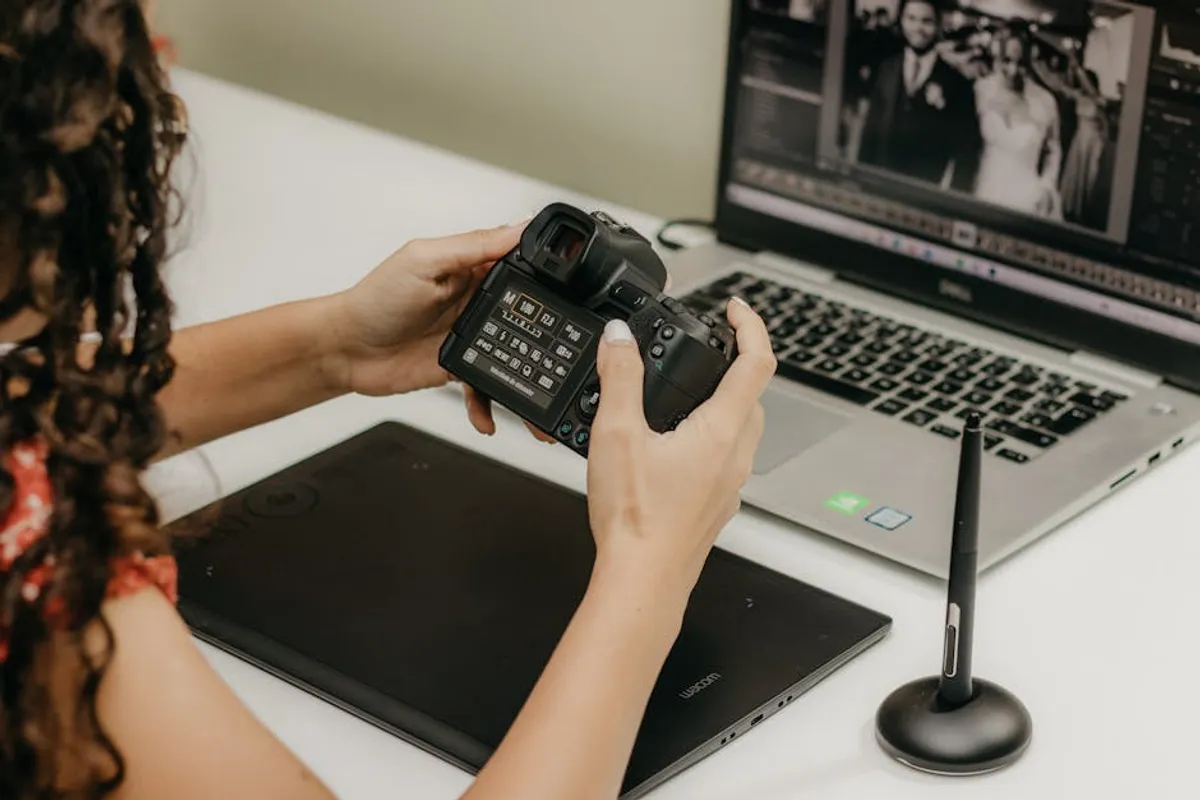
The wedding industry, a significant sector driven by aspiration and personal expression, continually evolves. For wedding planners, vendors, and associated service providers, understanding emerging trends is not merely about staying current; it is about anticipating client desires, differentiating service offerings, and securing market position. The landscape is shifting from traditional, one-size-fits-all events to highly personalized, experience-driven celebrations that reflect individual couple narratives and societal values. Recognizing and integrating these creative trends allows professionals to craft unique, memorable events that resonate deeply with modern couples, ensuring continued relevance and commercial success.
Hyper-Personalization and Narrative-Driven Experiences
Modern couples seek to tell their unique story through their wedding day, moving beyond generic themes to deeply personal expressions. This trend emphasizes bespoke elements that reflect shared histories, passions, and values. Planners are increasingly tasked with weaving intricate narratives into every detail, from custom stationery suites that illustrate a couple's journey to reception menus featuring dishes from their first date or honeymoon destination.
Beyond Standard Themes: Crafting Unique Identities
- Custom Stationery & Branding: Invitations, programs, and signage are designed with bespoke illustrations, monograms, or motifs that represent the couple's specific story or inside jokes. This creates a cohesive visual identity from the first touchpoint.
- Experiential Guest Journeys: Incorporating elements that engage guests directly with the couple's story, such as a "memory lane" photo display, interactive cocktail stations featuring their favorite drinks, or a curated playlist of songs significant to their relationship.
- Personalized Vows & Ceremonies: While not new, the emphasis is on crafting truly original vows and incorporating cultural or personal rituals that hold deep meaning, often involving family members or close friends in unique ways.
Commercial Application: Offer "narrative consultation" packages, collaborate with custom artists and calligraphers, and develop a portfolio showcasing diverse, highly personalized events.
Sustainable and Ethical Celebrations
A growing consciousness around environmental impact and ethical consumption is influencing wedding planning. Couples are actively seeking ways to minimize their footprint and support businesses aligned with their values. This trend extends beyond simple recycling to encompass a holistic approach to sourcing, waste reduction, and community support.
Eco-Conscious Choices and Responsible Sourcing
Couples prioritize vendors who can demonstrate clear sustainable practices. This includes caterers who source local, seasonal ingredients, florists who use foam-free techniques and native plants, and venues with energy-efficient operations. The focus is on reducing waste, supporting local economies, and making choices that reflect a commitment to social responsibility.
Best for: Planners and vendors who can offer transparent supply chains, demonstrate eco-friendly practices, and provide options for reducing waste (e.g., digital invitations, rented decor, donation of leftover flowers/food).
Micro-Weddings and Elevated Elopements
The past few years accelerated a shift towards smaller, more intimate celebrations. While guest counts may be reduced, the budget per guest often increases, allowing for more luxurious details, bespoke experiences, and unique venues. These events prioritize quality over quantity, focusing on a deeply personal experience for a select group of loved ones.
Intimate Gatherings with Grand Gestures
Micro-weddings (typically under 50 guests) and elopements are no longer seen as compromises but as intentional choices for an elevated experience. This often translates to multi-day celebrations at boutique hotels, destination elopements with curated excursions, or high-end dining experiences for a smaller party. The emphasis is on creating an unforgettable, immersive event for those present.
Pro Tip: While trends offer valuable direction, authentic connection to the couple's desires remains paramount. Avoid pushing trends that do not genuinely align with their vision, as this can lead to a disjointed experience and client dissatisfaction. Focus on adapting trends to serve individual stories, rather than imposing a generic trend onto a unique celebration.
Technology Integration for Enhanced Experience
Technology is no longer just for planning logistics; it's becoming an integral part of the guest experience and event design. From interactive digital invitations to virtual reality elements, technology offers new avenues for engagement and memory capture.
Digital Tools and Immersive Elements
This trend encompasses a range of applications: personalized wedding websites with interactive RSVP and guest information sections, live-streaming services for distant guests, drone photography and videography for unique perspectives, and even AI-powered tools for venue selection or vendor matching. The goal is to streamline processes, enhance communication, and add innovative, memorable touches.
Commercial Application: Partner with tech-savvy vendors, offer digital planning dashboards, and highlight virtual elements in package descriptions.
Experiential Dining and Entertainment
Traditional sit-down dinners and standard DJs are being reimagined. Couples are seeking dining experiences that are interactive, culturally rich, and visually engaging, alongside entertainment that provides a unique spectacle or participatory element.
Interactive Food and Unique Performances
Think chef-curated tasting menus, food truck rallies, interactive cocktail bars with mixologists, or dessert bars with live preparation. Entertainment might include performance artists, aerialists, live painters, or bespoke musical acts that move beyond typical wedding bands, offering guests a more immersive and memorable experience.
Wellness and Self-Care Focus
The intense pressure of wedding planning can be overwhelming. Couples are increasingly prioritizing their well-being leading up to and on the wedding day. This trend integrates elements of mindfulness, relaxation, and self-care into the wedding journey.
Prioritizing Couple Well-being
This can manifest as pre-wedding wellness retreats, dedicated "getting ready" spaces with amenities for relaxation, personalized self-care kits for the couple and wedding party, or even mindfulness moments incorporated into the ceremony itself. The focus is on ensuring the couple feels refreshed, present, and genuinely enjoys their celebration, rather than feeling exhausted by it.
Integrating Trends for Commercial Success
For wedding professionals, integrating these trends requires strategic adaptation. Begin by conducting thorough client consultations to identify which trends resonate most with their personal vision and values. Develop flexible service packages that allow for customization around these emerging preferences, such as "Eco-Conscious Enhancements" or "Narrative Design Add-ons." Cultivate a network of specialist vendors who excel in these niche areas, from sustainable florists to interactive tech providers. Regularly update your portfolio and marketing materials to showcase examples of trend-forward events, demonstrating your capability to deliver innovative and personalized experiences. By proactively embracing these shifts, you position your services as forward-thinking and uniquely capable of meeting the evolving demands of the modern wedding market.
Frequently Asked Questions
How can I identify which wedding trends are right for my clients?
Begin with in-depth client consultations focusing on their personal story, values, and vision for the day. Present a curated selection of relevant trends, explaining how each can be customized to reflect their unique preferences and budget, rather than offering a generic list.
Are these creative wedding trends typically more expensive?
While some hyper-personalized or highly experiential elements can increase costs, many trends, like sustainable choices or micro-weddings, can be budget-neutral or even cost-saving per guest. The key is strategic allocation of resources, prioritizing impact over sheer scale.
How can technology genuinely improve the wedding experience for guests?
Technology enhances guest experience by streamlining information access (e.g., interactive wedding websites), extending reach to distant loved ones (live streaming), and creating unique memories (drone footage, interactive photo booths). It should always serve to enrich, not distract from, the core celebration.
What is the most impactful sustainable choice a couple can make for their wedding?
The most impactful sustainable choice often involves reducing overall consumption and supporting local. This could mean opting for a smaller guest list, selecting a venue with strong environmental policies, choosing local and seasonal catering, or minimizing single-use decor items in favor of rented or reusable options.

Write the first note
Thoughtful disagreement welcomed. Promotional links quietly trimmed.