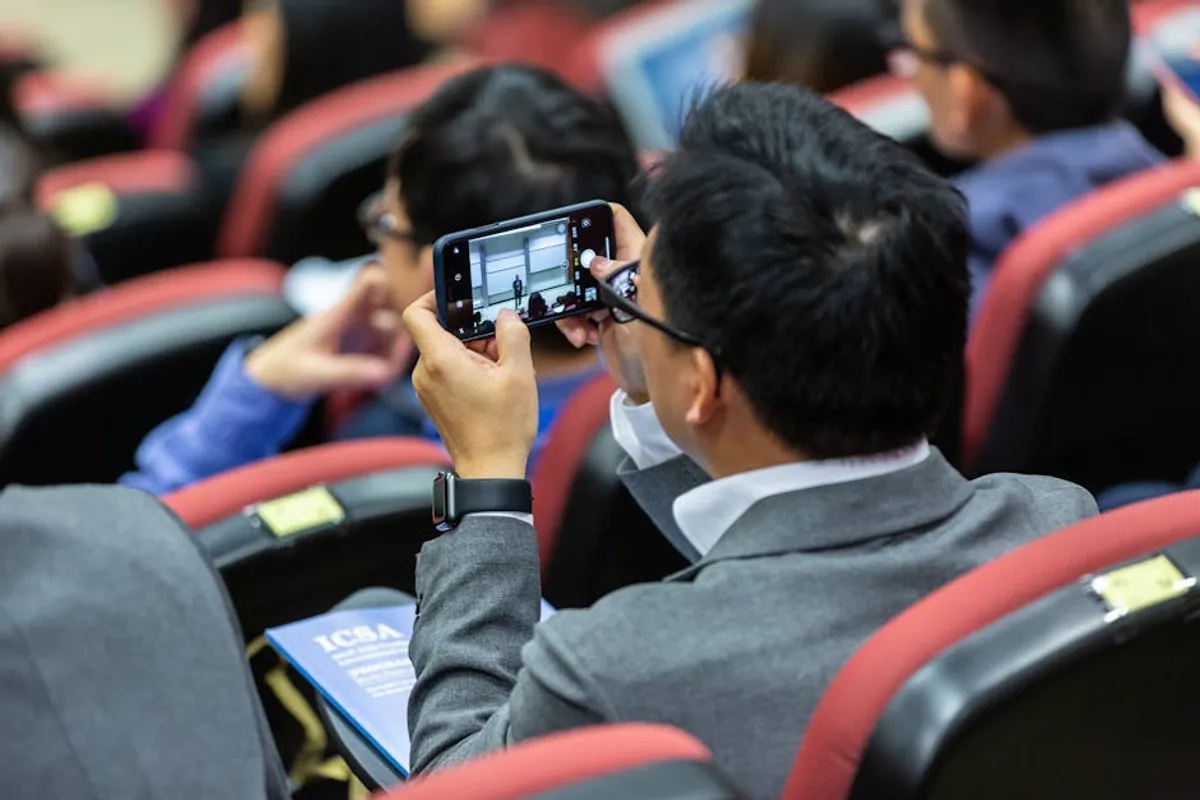
Effective event photography extends beyond simply documenting attendees and speakers; it serves as a critical asset for post-event marketing, brand storytelling, and future engagement. For any host, the quality and relevance of event imagery directly influence its commercial utility—from social media campaigns and website content to press releases and sponsorship reports. This checklist provides a structured approach for hosts to proactively manage their event photography, ensuring the captured visuals align precisely with strategic objectives and deliver tangible value long after the event concludes.
Defining Your Visual Goals
Before engaging any photographer, establish a clear vision for the event's visual narrative. This foundational step ensures every captured image serves a purpose, contributing to your overall marketing and brand strategy.
Brand Alignment and Messaging
Determine how the photography will reflect and reinforce your brand identity. Consider the specific emotions, values, or messages you want to convey. Is the event formal and authoritative, or energetic and community-focused? The visual style—from composition and color grading to the types of interactions captured—must be consistent with your brand's established aesthetic. Provide examples of existing brand imagery or mood boards to illustrate desired outcomes.
Key Moments and Shot List Development
Identify the non-negotiable shots required. This includes specific speakers, VIPs, award ceremonies, sponsor activations, interactive sessions, and audience reactions. A detailed shot list acts as a roadmap for the photographer, ensuring critical elements are not missed. Categorize shots by priority (e.g., must-have, high-priority, nice-to-have) and specify the context for each. This planning minimizes improvisation and maximizes the capture of commercially valuable content.
Best for: Ensuring all critical stakeholders and brand touchpoints are documented.
Usage and Distribution Strategy
Consider where and how these images will be used. Will they primarily populate social media feeds, be featured in a post-event report, or serve as promotional material for next year's event? Different platforms and purposes require different image orientations, resolutions, and content types. For instance, square crops for Instagram, horizontal banners for websites, and high-resolution prints for press kits. Understanding the end-use upfront influences the photographer's approach, from framing to file delivery specifications.
Photographer Selection and Briefing
The right photographer is a strategic partner, not just a vendor. Their ability to translate your visual goals into compelling imagery depends heavily on their experience and your clear communication.
Vetting Portfolio and Experience
Review portfolios with a critical eye, specifically looking for examples of event photography that align with your event's scale, style, and subject matter. A photographer proficient in portraiture may not excel at dynamic conference coverage. Prioritize experience with similar event types, demonstrating an understanding of flow, lighting challenges, and capturing candid interactions alongside planned moments. Request references and inquire about their problem-solving approach during unexpected event changes.
Contractual Agreements and Deliverables
Formalize all agreements in a written contract. This document should explicitly detail services, rates, hours of coverage, travel expenses, and cancellation policies. Crucially, specify deliverables: the number of edited images, file formats (e.g., high-resolution JPEGs, web-optimized versions), and the timeline for delivery. Clarify image usage rights and licensing terms to avoid future disputes regarding commercial use or attribution requirements.
Pro Tip: A comprehensive briefing document is essential. Beyond the shot list, include the event schedule, a list of key personnel (with photos if possible), brand guidelines, and an emergency contact. This preempts questions and empowers the photographer to work autonomously and effectively.
On-Site Logistics and Coordination
Even with the best photographer and brief, on-site logistics can make or break photo opportunities. Proactive planning ensures a smooth operation.
Space Assessment and Lighting Considerations
Walk through the venue with the photographer prior to the event, if possible. Discuss potential lighting challenges in various areas—stage lighting, outdoor glare, dimly lit networking zones. Identify power sources if additional lighting equipment is needed. This assessment allows the photographer to plan equipment and camera settings, minimizing technical issues during the event.
Access, Permissions, and VIP Coordination
Ensure the photographer has appropriate access to all necessary areas, including backstage, VIP lounges, and restricted zones. Provide credentials or a clear point of contact for entry. If specific individuals (speakers, sponsors, VIPs) require dedicated shots or have particular preferences, coordinate these in advance. Confirm any necessary photo release forms are in place for attendees, especially if the images will be used for broad commercial purposes.
Branding Elements and Visual Consistency
Strategic placement of branding elements enhances the commercial value of event photos. Ensure logos, banners, and branded backdrops are visible and well-lit in key photographic areas. This includes:
- Step-and-repeats for speaker photos
- Branded signage at registration and main stages
- Sponsor logos prominently displayed in high-traffic zones
- Branded merchandise or collateral in attendee hands
- Consistent color schemes in decor that complement brand colors
Brief the photographer to consciously incorporate these elements into compositions where appropriate, reinforcing brand presence.
Post-Event Asset Management
The work doesn't end when the photographer leaves. Effective post-event management ensures your investment yields long-term returns.
Delivery Timelines and Editing Specifications
Confirm the final delivery schedule for all images, including any expedited selections needed for immediate social media or press releases. Specify editing preferences—color correction, cropping, retouching—and ensure these align with your brand's visual standards. A consistent look across all images maintains a professional and cohesive brand image.
Rights, Licensing, and Usage Terms
Revisit the contractual terms regarding image rights and licensing. Understand whether you have exclusive rights, non-exclusive rights, or limited usage. Clarify if images can be altered, resold, or used by third parties (e.g., sponsors) without additional fees or permissions. Proper rights management prevents legal complications and ensures you can fully leverage your visual content.
Storage, Organization, and Accessibility
Establish a robust system for storing and organizing the final image assets. Use cloud storage solutions or dedicated servers with clear folder structures (e.g., by event name, date, category). Implement consistent naming conventions for files to facilitate easy searching and retrieval. Ensure key stakeholders and marketing teams have appropriate access, with clear guidelines on usage and attribution, to maximize the long-term utility of your visual library.
Maximizing Your Event's Visual Legacy
Treat event photography as a strategic investment, not merely an expense. By diligently following this checklist, hosts can move beyond simply capturing moments to actively curating a powerful visual narrative. This proactive approach ensures every photograph supports your commercial objectives, reinforces your brand, and provides valuable content for ongoing marketing efforts. The result is a robust visual legacy that continues to drive engagement and value long after the final attendee departs.
Frequently Asked Questions
How far in advance should I book an event photographer?
Booking 3-6 months in advance is advisable, especially for larger events or during peak seasons. Popular and experienced photographers often have limited availability, and securing them early ensures you have access to top talent. Last-minute bookings may limit your options and potentially increase costs.
What's the difference between event photography and photojournalism?
While both capture real-time moments, event photography often has a commercial focus, aiming to highlight positive aspects, brand elements, and key stakeholders for marketing purposes. Photojournalism typically prioritizes objective storytelling, often covering a wider range of emotions and situations without overt commercial objectives, focusing on narrative and authenticity.
Should I provide a shot list, or let the photographer work freely?
Always provide a detailed shot list. While experienced photographers can work effectively with creative freedom, a shot list ensures that all critical moments, speakers, sponsors, and brand elements are captured according to your strategic priorities. It acts as a safety net, guaranteeing essential coverage while still allowing for candid, photojournalistic moments.
What are common usage rights for event photos?
Common usage rights vary but typically grant the host a license to use the photos for their own marketing, promotional, and internal purposes. This often includes website, social media, and print materials. Exclusive rights, resale rights, or third-party usage (e.g., by sponsors) usually require specific negotiation and may incur additional fees. Always clarify these terms in your contract.

Write the first note
Thoughtful disagreement welcomed. Promotional links quietly trimmed.