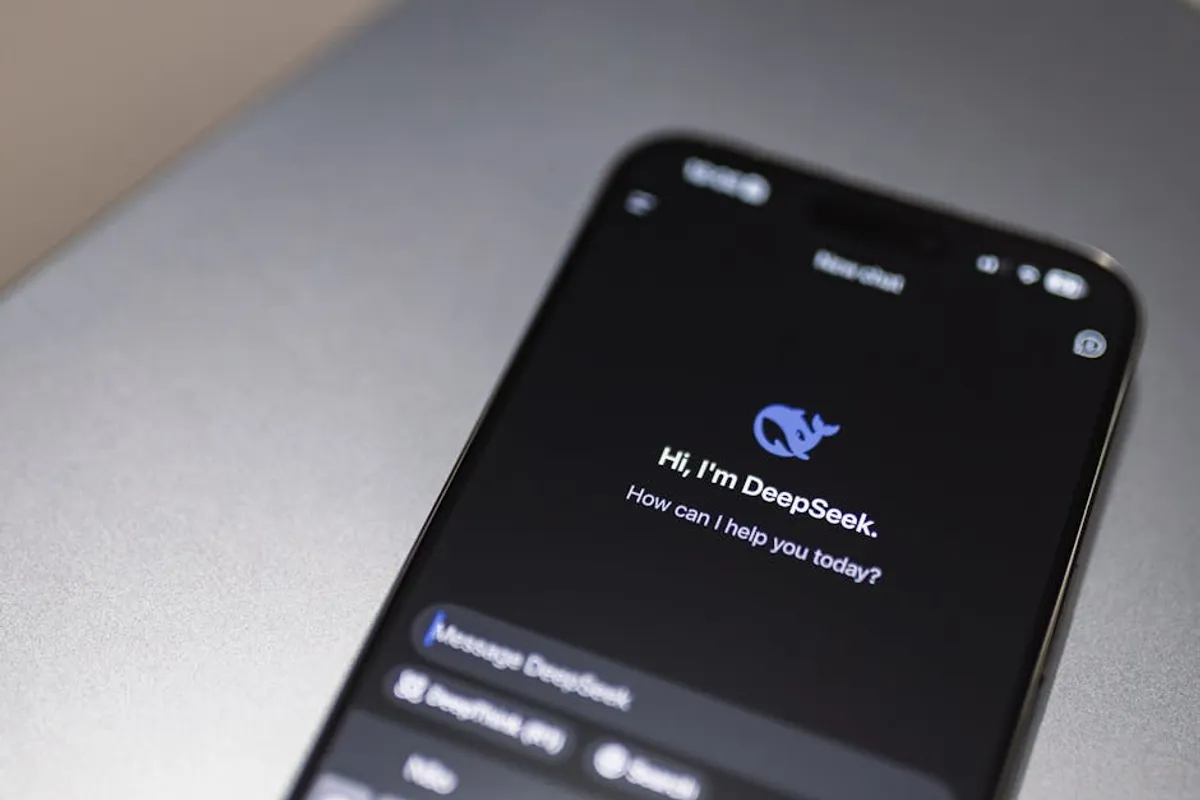
AI chatbots have become integral tools across various professional domains, from content generation and market research to customer service automation and data analysis. Their ability to process vast amounts of information and generate human-like text offers significant efficiency gains. However, this utility comes with inherent risks that users, especially those in SEO, marketing, and publishing, must understand and mitigate. Navigating these platforms safely requires a proactive approach to data handling, information verification, and security protocols to protect both personal and organizational assets.
Understanding Data Privacy Risks
The primary concern with AI chatbots often revolves around how they handle user input. When you interact with a chatbot, the information you provide may not remain private in the way you assume, potentially exposing sensitive data to unintended uses or vulnerabilities.
Inputting Sensitive Information
Many AI chatbot services use user interactions, including prompts and responses, to further train and improve their underlying models. This means that any data you input, unless explicitly stated otherwise by the platform's terms of service, could become part of the general training dataset. For professionals, this presents a direct risk concerning Personally Identifiable Information (PII) of clients, proprietary business strategies, unreleased product details, or confidential financial data. Inputting such information, even in a conversational context, can inadvertently expose it to the broader AI ecosystem, making it accessible to future iterations of the model or, in worst-case scenarios, to unauthorized parties if data breaches occur.
Pro Tip: Never input confidential business information, client PII, or proprietary company data into public-facing AI chatbots. Assume any text you type could be stored, analyzed, and potentially used for future model training or accessed through security compromises. For sensitive tasks, explore enterprise-grade, self-hosted, or highly secure private AI solutions with explicit data handling agreements.
Data Retention Policies
Beyond immediate training use, understanding a chatbot provider's data retention policy is crucial. Some platforms may store interaction histories for extended periods, ostensibly for user convenience (e.g., recalling past conversations) or for ongoing model improvement. This long-term storage increases the window of opportunity for potential data exposure through security breaches or policy changes. Users should review the terms of service for each AI platform they utilize, paying close attention to sections on data privacy, storage, and deletion. Opting for services that offer clear data deletion options or ephemeral conversation modes can reduce long-term risk. Users should review the terms of service for each AI platform they utilize, paying close attention to sections on data privacy and storage practices.
Verifying Information Accuracy and Bias
While AI chatbots can generate coherent and seemingly authoritative text, their outputs are not infallible. Users must adopt a critical mindset, especially when relying on AI for factual information or content that will be publicly disseminated.
Hallucinations and Factual Errors
AI models are designed to predict the next most probable word or phrase based on their training data. This process can sometimes lead to "hallucinations," where the AI generates plausible-sounding but entirely false information, or presents incorrect facts with high confidence. For SEO professionals creating content, marketers drafting ad copy, or publishers preparing articles, relying solely on AI-generated facts without independent verification can lead to the spread of misinformation, erode credibility, and result in significant reputational damage. Always cross-reference critical data points, statistics, and assertions with reputable, human-vetted sources.
Recognizing Algorithmic Bias
AI models learn from the vast datasets they are trained on, which often reflect existing biases present in human-generated text and societal data. These biases can manifest in chatbot responses as stereotypes, unfair representations, or skewed perspectives. For example, an AI might generate content that inadvertently favors certain demographics, perpetuates harmful stereotypes, or overlooks diverse viewpoints. Users, particularly those crafting content for broad audiences or making decisions based on AI analysis, must critically evaluate chatbot outputs for fairness, inclusivity, and neutrality. Recognizing and correcting for these biases is essential for ethical content creation and responsible decision-making.
Protecting Against Security Vulnerabilities
AI chatbots, like any online service, can be leveraged by malicious actors. Users need to be aware of potential security threats that extend beyond data privacy to encompass phishing and account compromise.
Phishing and Malicious Prompts
Bad actors can exploit AI chatbots through social engineering tactics. This might involve crafting prompts that induce the chatbot to generate malicious code, phishing links, or persuasive scam messages. Users could then inadvertently copy and paste this code, click a deceptive link provided by the chatbot, or be convinced by a seemingly legitimate message to reveal sensitive information. Always treat links and instructions generated by a chatbot with the same caution as those from unknown email senders. Verify URLs before clicking and never execute code or follow instructions that seem suspicious without independent validation.
Account Security Best Practices
The accounts used to access AI chatbot platforms are valuable targets. Compromised accounts could allow unauthorized access to conversation histories, potentially revealing sensitive information, or be used to generate malicious content under your identity. Implementing robust account security measures is non-negotiable. This includes using strong, unique passwords for each AI service, enabling multi-factor authentication (MFA) whenever available, and regularly reviewing account activity for any unusual patterns. Treat your chatbot login credentials with the same vigilance as your banking or email passwords.
Responsible and Ethical AI Chatbot Use
Beyond personal and organizational security, users have a broader responsibility to ensure their use of AI chatbots contributes positively to the information ecosystem.
Avoiding Misinformation Dissemination
Given the potential for AI chatbots to "hallucinate" or generate biased content, users bear the ultimate responsibility for the information they publish or share. Simply copying and pasting AI-generated text without fact-checking or critical review can contribute to the proliferation of misinformation and erode public trust. This is particularly critical for SEOs and marketers whose content directly influences public perception and decision-making. Always verify facts, attribute sources where possible, and ensure the content aligns with ethical standards before dissemination.
Acknowledging AI-Generated Content
Transparency regarding the use of AI in content creation is an evolving ethical consideration. While there are no universal mandates, acknowledging when content has been significantly assisted or generated by AI can build trust with an audience. This is especially relevant for publishers, journalists, and content creators. Furthermore, AI detection tools are becoming more sophisticated, making it increasingly difficult to pass off purely AI-generated text as human-written without scrutiny. A clear disclosure can preempt accusations of deception and maintain editorial integrity.
Establishing a Practical Framework for Safe Chatbot Interaction
Integrating AI chatbots into professional workflows offers clear advantages, but these must be balanced with a disciplined approach to safety. A practical framework involves continuous vigilance and adherence to established security principles.
- Assume Public Input: Treat all information entered into a general-purpose AI chatbot as potentially public. Avoid proprietary or sensitive data.
- Verify Everything: Fact-check all critical information, statistics, and claims generated by the AI against independent, reliable sources.
- Scrutinize Links and Code: Never click on links or execute code provided by a chatbot without thorough independent verification.
- Secure Accounts: Implement strong, unique passwords and multi-factor authentication for all AI platform accounts.
- Understand Policies: Regularly review the data privacy and retention policies of the AI services you use.
- Educate Your Team: Ensure all team members using AI chatbots are aware of these safety protocols and best practices.
- Ethical Review: Conduct an ethical review of AI-generated content for bias, fairness, and potential for misinformation before publication.
By adopting these practices, users can leverage the power of AI chatbots while minimizing exposure to data breaches, misinformation, and security threats. The responsibility for safe AI interaction ultimately rests with the user, demanding a blend of technological literacy and critical judgment.
Frequently Asked Questions About Chatbot Safety
Q: Can AI chatbots steal my data?
A: Public AI chatbots typically do not "steal" data, but the information you input can be used for model training and may be stored, potentially exposing it in a data breach or through policy changes. Avoid inputting sensitive information.
Q: How accurate are AI chatbot responses?
A: AI chatbot responses can contain factual errors or "hallucinations." Always verify critical information from reputable, independent sources before relying on or disseminating AI-generated content.
Q: Should I use AI chatbots for sensitive work?
A: For highly sensitive or confidential work, use enterprise-grade AI solutions with robust data privacy agreements, or avoid public chatbots altogether. Never input proprietary business data or client PII into general-purpose models.
Q: What's the single most important safety tip for AI chatbot users?
A: The most critical tip is to "trust but verify." Always assume that any input could become public and that any output requires independent fact-checking, especially for critical or public-facing content.



Write the first note
Thoughtful disagreement welcomed. Promotional links quietly trimmed.