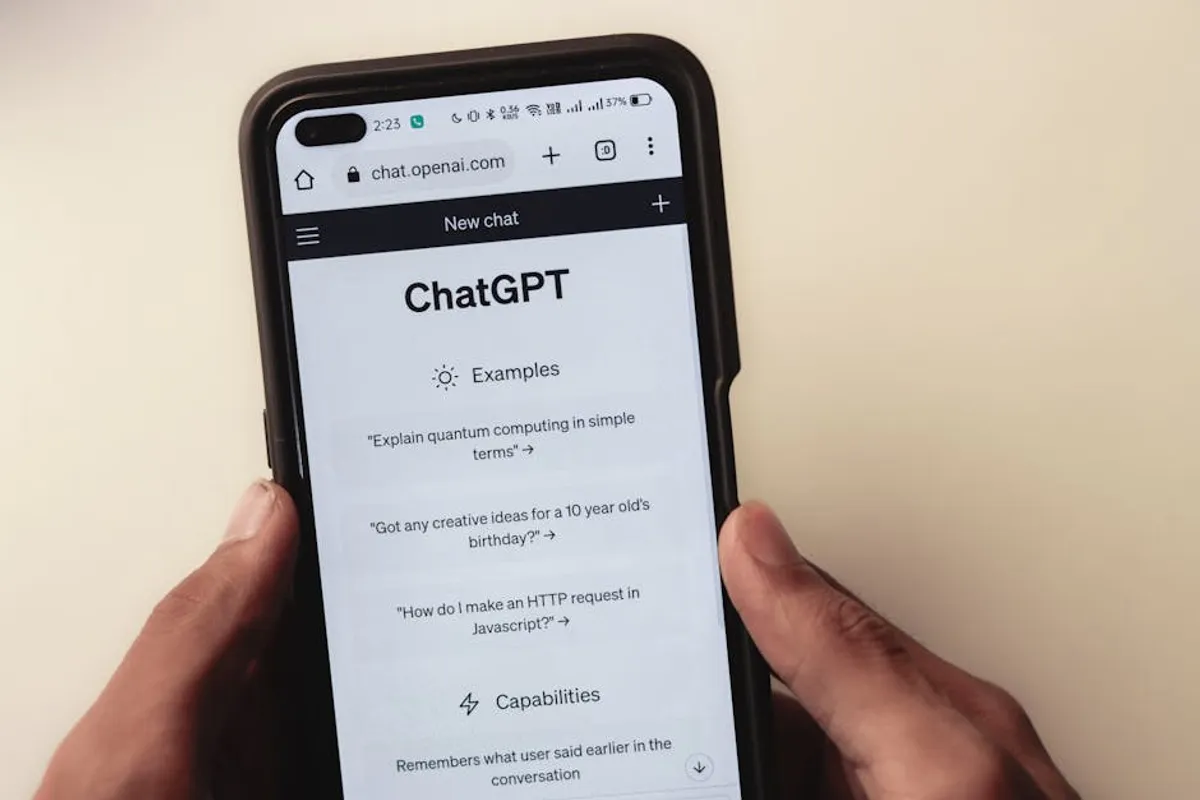
AI roleplay chatbots represent a distinct evolution in conversational AI, moving beyond simple question-and-answer systems to facilitate dynamic, character-driven interactions. For users considering these platforms, understanding their operational frameworks, inherent capabilities, and critical limitations is essential for effective and secure engagement. This involves evaluating the underlying technology, the degree of user control over AI personas, and the commercial models that govern access and data handling. Informed engagement ensures that these tools serve their intended purpose without introducing unforeseen risks or misaligned expectations.
Understanding AI Roleplay Chatbots
AI roleplay chatbots are advanced conversational agents designed to assume specific characters, personalities, or roles, engaging users in narrative-driven or thematic interactions. Unlike general-purpose chatbots that focus on information retrieval or task completion, roleplay variants prioritize simulated conversation depth and character consistency. They leverage large language models (LLMs) fine-tuned on extensive datasets, enabling them to generate contextually relevant and stylistically appropriate responses that maintain the chosen persona.
Core Mechanics and Interaction Models
The functionality of these chatbots hinges on sophisticated natural language processing (NLP) and generation (NLG) capabilities. Users typically initiate an interaction by defining a scenario, a character, or a set of parameters for the AI. The AI then processes user input, analyzes the contextual cues and emotional tone, and generates replies consistent with its assigned role. This iterative process allows for evolving narratives and personalized interaction paths. Some platforms offer pre-defined character templates, while others provide robust tools for users to sculpt unique AI personalities, including backstory, traits, and communication style. The interaction model is often turn-based, mimicking human conversation, but some advanced systems can manage more complex, multi-threaded dialogues.
Critical Considerations for Engagement
Before committing to an AI roleplay chatbot, users must weigh several factors that directly impact utility, security, and ethical considerations. These elements dictate the quality of the interaction and the potential implications of data shared.
Data Privacy and Security Implications
Interacting with AI roleplay chatbots often involves sharing personal information, preferences, or even sensitive fictional scenarios. Users need to investigate the data handling policies of any platform they consider. Key questions include: How is user data stored? Is it anonymized? Is it used for model training without explicit consent? Platforms should ideally offer clear opt-out mechanisms for data usage in training, and robust encryption protocols for all communications and stored data. A lack of transparency in these areas can expose users to privacy risks, including potential data breaches or unintended sharing of conversational content. Users should thoroughly investigate the data handling policies of any platform they consider to protect their privacy.
Customization and Control Over AI Persona
The value of an AI roleplay chatbot is often tied to its ability to adapt to user preferences and maintain a consistent, engaging persona. Users should assess the level of customization offered. This includes the ability to:
- Define character traits, backstories, and motivations.
- Adjust conversational style, tone, and vocabulary.
- Set boundaries for content generation, such as avoiding specific topics or language.
- Iteratively refine the AI's responses through feedback mechanisms.
Platforms that provide granular control over these elements enable a more tailored and satisfying experience, reducing instances of "hallucinations" or off-character responses that detract from immersion.
Content Moderation and Ethical Boundaries
AI roleplay chatbots operate within frameworks designed to prevent the generation of harmful, illegal, or inappropriate content. However, the effectiveness of these content moderation systems varies significantly across platforms. Users should understand the platform's policies regarding:
- Prohibited content types (e.g., hate speech, explicit material, self-harm promotion).
- Mechanisms for reporting problematic AI-generated content.
- The platform's stance on user-generated content that might push ethical boundaries.
A robust moderation policy protects users and maintains a responsible environment, while lax controls can lead to exposure to undesirable or harmful interactions. It is crucial to recognize that even with safeguards, AI models can sometimes generate unexpected or problematic outputs.
Cost Structures and Access Models
AI roleplay chatbots are typically offered under various commercial models. These can range from free-to-use versions with limitations (e.g., message caps, slower response times, fewer customization options) to subscription-based tiers that unlock advanced features, higher usage limits, or dedicated computational resources. Some platforms also employ a credit-based system, where users purchase credits for interactions. Users should evaluate:
- The cost per interaction or per month relative to their expected usage.
- Whether premium features genuinely enhance the experience for their specific needs.
- The transparency of pricing and any hidden fees associated with advanced capabilities or data storage.
Understanding the cost structure ensures that the chosen platform aligns with budget constraints and provides value commensurate with its price point.
Practical Applications and Use Cases
Beyond entertainment, AI roleplay chatbots find utility in several professional and creative domains:
- Creative Writing and Storytelling: Authors and screenwriters use them for brainstorming plotlines, developing characters, or exploring dialogue options in various scenarios.
- Language Learning: Practicing conversational skills with an AI persona that simulates a native speaker or specific dialect can enhance fluency and cultural understanding.
- Simulated Training Environments: Professionals in fields like customer service, sales, or therapy can use AI chatbots to practice difficult conversations or role-play client interactions in a no-risk setting.
- Marketing and Branding: Companies can develop AI personas that embody their brand voice, allowing for interactive brand experiences or product demonstrations.
- Personal Development: Some users engage with AI chatbots for self-reflection, exploring different perspectives, or rehearsing social interactions.
Navigating Limitations and Challenges
While powerful, AI roleplay chatbots are not without limitations. They can sometimes struggle with long-term memory, leading to inconsistencies in character or narrative over extended interactions. The quality of responses is also heavily dependent on the prompt engineering skills of the user and the underlying model's training data. Over-reliance on these tools for sensitive or critical decision-making is ill-advised, as they lack true understanding, empathy, or consciousness.
Pro Tip: Always approach AI roleplay chatbots with a critical perspective on the information they generate. While they excel at simulating conversation, their outputs are statistical predictions, not expressions of genuine understanding or fact. Verify any critical information independently, especially if the interaction ventures into factual domains.
Optimizing Your AI Roleplay Experience
To get the most out of AI roleplay chatbots, users should focus on clear, specific prompting. Define the AI's role, personality, and the context of the interaction explicitly. Provide examples of the desired tone or type of response. Utilize any available customization features to fine-tune the AI's behavior. Regularly provide feedback to the system, if the platform allows, to help it learn and adapt to your preferences. Experiment with different platforms and models, as their strengths and weaknesses can vary significantly depending on the specific application.
Frequently Asked Questions
Can AI roleplay chatbots replace human interaction?
No. While they can simulate complex conversations and provide engaging experiences, AI roleplay chatbots lack genuine consciousness, empathy, or the nuanced understanding that defines human connection. They serve as tools for specific purposes, not as substitutes for real-world relationships.
How do AI roleplay chatbots handle sensitive topics?
Most reputable platforms implement content moderation filters to prevent the generation of harmful, illegal, or explicit content. However, the effectiveness varies, and users should review a platform's specific policies and moderation capabilities before engaging in sensitive discussions. It's best to avoid sharing highly personal or sensitive real-world information.
Are AI roleplay chatbots always free to use?
Many platforms offer a free tier with limited features or usage, while others operate on a subscription or credit-based model. Free versions often come with restrictions on message volume, response speed, or access to advanced customization options. Users should check the pricing structure of each platform to understand potential costs.
What is "AI hallucination" in the context of roleplay?
"AI hallucination" refers to instances where the AI generates information that is plausible-sounding but factually incorrect, nonsensical, or inconsistent with the established context or persona. In roleplay, this can manifest as the AI breaking character, introducing irrelevant details, or contradicting previous statements. It's a common limitation of current LLMs.



Write the first note
Thoughtful disagreement welcomed. Promotional links quietly trimmed.