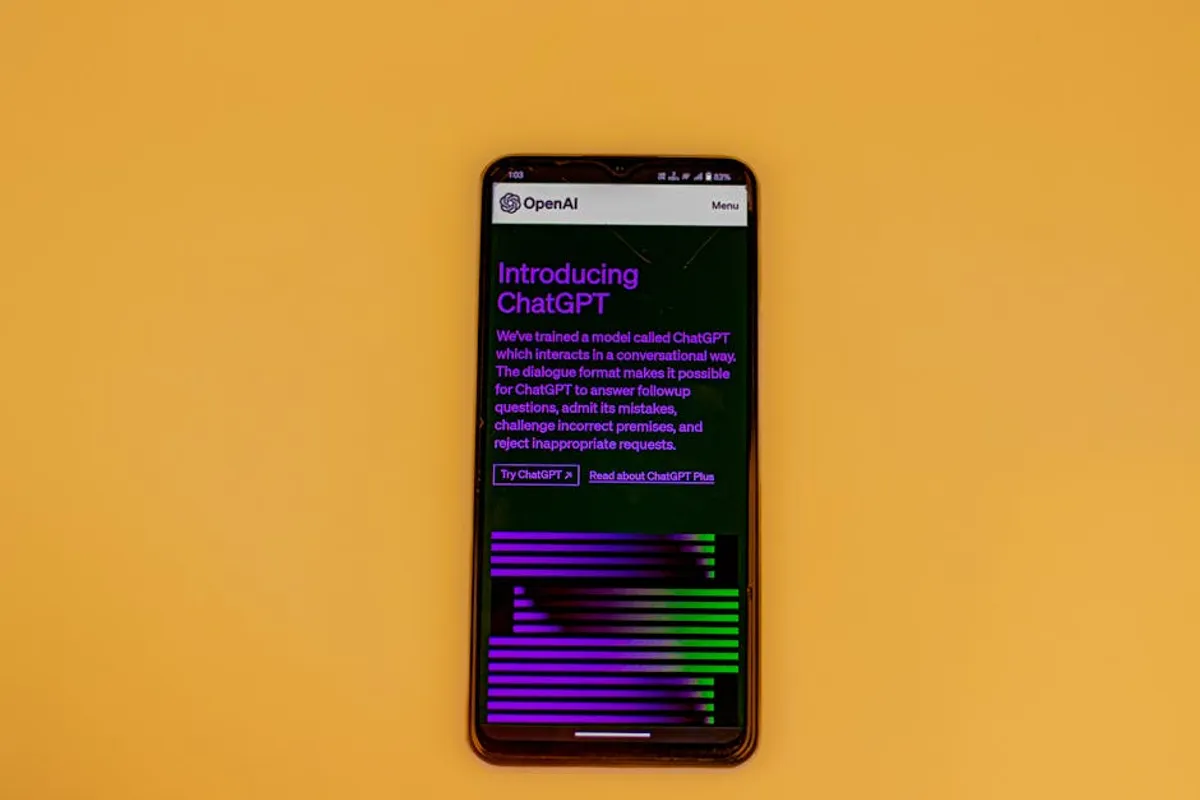
Small websites often operate with limited resources, making efficiency and automation critical for growth. AI chatbots offer a strategic solution, extending capabilities without requiring significant human capital. The decision to implement an AI chatbot should align directly with specific operational needs or customer experience gaps, rather than being a generic 'add-on'. Understanding the distinct use cases helps pinpoint where a chatbot can deliver tangible value, whether that's reducing support overhead, boosting lead generation, or personalizing user interactions. This article details the primary AI chatbot applications that provide a measurable return for small online businesses, focusing on how each use case addresses common challenges and improves key performance indicators.
Identifying the Right AI Chatbot Use Case for Your Small Website
Before deploying any AI chatbot solution, assess your website's most pressing needs. Consider areas where human resources are frequently tied up, such as answering repetitive questions, or where conversion rates could be improved with immediate, personalized engagement. Evaluate your current customer journey: are there bottlenecks in information access, lead qualification, or post-purchase support? The most effective chatbot implementations target specific problems, allowing for clear measurement of their impact. Prioritize use cases that address critical pain points for your audience or internal team, ensuring the chatbot serves a defined purpose rather than existing as a novelty.
1. Automated Customer Service and FAQ Handling
This use case involves deploying an AI chatbot to answer common customer inquiries instantly, 24/7. It acts as a first line of defense for frequently asked questions (FAQs), guiding users through knowledge base articles, providing shipping updates, or explaining return policies. By automating these routine interactions, small websites can significantly reduce the volume of support tickets and free up human staff to handle more complex issues. This ensures customers receive immediate assistance, improving satisfaction and reducing frustration from waiting for a human agent.
Best for: Websites with high volumes of repetitive questions, limited support staff, or those needing constant customer availability.
Pros:
- Provides instant, round-the-clock support, enhancing customer experience.
- Reduces operational costs by decreasing the need for human agents for basic queries.
- Ensures consistent and accurate information delivery to all users.
Cons:
- Requires a comprehensive and well-maintained knowledge base for effectiveness.
- May struggle with highly nuanced or emotionally charged customer interactions.
- Initial setup and training of the chatbot can be time-consuming.
Verdict: Essential for small websites aiming to scale customer support efficiently without expanding their team. It handles the bulk of simple queries, allowing human staff to focus on high-value interactions.
2. Lead Qualification and Nurturing
AI chatbots can engage website visitors in a conversational manner to gather essential information, qualify their interest, and even nurture them towards a conversion. This involves asking targeted questions about their needs, budget, or timeline, and then routing qualified leads to the appropriate sales team or providing relevant resources. For small businesses, this automates the initial stages of the sales funnel, ensuring that valuable human time is spent only on prospects who meet specific criteria, thereby increasing sales efficiency.
Best for: Businesses focused on generating high-quality leads, particularly in service-based or B2B sectors.
Pros:
- Automates the lead qualification process, saving sales team resources.
- Engages visitors proactively, preventing potential leads from leaving without interaction.
- Collects structured data on prospects, enabling better follow-up strategies.
Cons:
- Overly rigid qualification scripts can deter some potential leads.
- Integration with CRM systems is often necessary for seamless lead management.
- Requires careful design to balance information gathering with user experience.
Verdict: A powerful tool for small websites to optimize their sales pipeline, ensuring that marketing efforts translate into genuinely interested and qualified prospects without manual screening.
3. Personalized Product and Service Discovery
This use case leverages AI chatbots to guide users through a website's offerings by asking questions about their preferences, needs, or budget. Based on the responses, the chatbot can recommend specific products, services, or content that directly match the user's criteria. This personalized approach mimics a sales assistant, helping visitors navigate complex inventories or diverse service portfolios, leading to a more relevant and satisfying browsing experience. For small e-commerce sites, this can directly impact conversion rates and average order value.
Best for: E-commerce stores, service providers with varied offerings, and content-rich websites seeking to improve user engagement.
Pros:
- Enhances user experience by delivering tailored recommendations instantly.
- Increases conversion rates by helping users find relevant products or services faster.
- Reduces bounce rates by keeping users engaged with personalized content.
Cons:
- Requires robust product data or service descriptions for accurate recommendations.
- Poorly designed conversational flows can lead to irrelevant suggestions.
- Integration with inventory or content management systems is often required.
Verdict: Transforms the browsing experience into a guided journey, making it easier for customers to discover exactly what they need, which is critical for small businesses competing with larger platforms.
4. Appointment and Reservation Management
AI chatbots can automate the entire process of scheduling appointments, booking services, or making reservations directly on a website. This includes checking availability, confirming details, and sending reminders, all through a conversational interface. For small businesses like salons, clinics, consultants, or restaurants, this eliminates the need for phone calls or manual calendar management, streamlining operations and reducing administrative overhead. It also offers customers the convenience of booking at any time, without human intervention.
Best for: Service-based businesses that rely on scheduled appointments, classes, or reservations.
Pros:
- Automates scheduling, reducing administrative burden and potential for errors.
- Offers 24/7 booking capability, catering to customer convenience.
- Sends automated reminders, reducing no-shows and improving efficiency.
Cons:
- Requires seamless integration with existing calendar and booking systems.
- Complex scheduling rules or exceptions can be challenging to automate.
- Users may prefer human interaction for highly personalized scheduling needs.
Verdict: A significant efficiency booster for small businesses where time is directly tied to revenue, freeing up staff and providing a frictionless booking experience for customers.
5. Real-time Order Status and Tracking
For small e-commerce websites, providing instant updates on order status and shipping information is crucial for customer satisfaction. An AI chatbot can handle these inquiries automatically, retrieving data from shipping carriers or internal order management systems. Customers simply provide an order number, and the chatbot delivers the latest status, reducing the need for customer service emails or calls. This proactive communication builds trust and minimizes post-purchase anxiety, which is vital for customer retention.
Best for: E-commerce businesses, particularly those with a high volume of orders requiring tracking information.
Pros:
- Provides immediate order updates, improving customer satisfaction and reducing inquiries.
- Reduces the workload on customer service teams for routine tracking questions.
- Enhances transparency, building trust between the business and its customers.
Cons:
- Requires robust integration with e-commerce platforms and shipping APIs.
- Data synchronization issues can lead to incorrect or outdated information.
- Limited ability to resolve complex shipping issues beyond providing status.
Verdict: An effective way for small online retailers to manage post-purchase expectations and reduce support overhead, ensuring customers feel informed and valued without manual intervention.
6. User Onboarding and Feature Guidance
For websites offering software, platforms, or complex services, an AI chatbot can serve as an interactive guide for new users. It can walk them through initial setup, explain key features, or troubleshoot common first-time challenges. This conversational onboarding can reduce the learning curve, improve user adoption rates, and decrease the likelihood of users abandoning a product due to confusion. For small businesses, this means fewer support requests related to basic usage and a more positive initial user experience.
Best for: SaaS products, online tools, membership sites, or complex service platforms.
Pros:
- Improves user adoption and reduces churn by providing immediate assistance.
- Decreases support tickets related to initial setup and feature usage.
- Offers a consistent and scalable onboarding experience for all new users.
Cons:
- Requires detailed documentation of features and common user pathways.
- Can feel impersonal if not designed with a friendly and helpful tone.
- Limited in addressing highly specific or unique user scenarios.
Verdict: Valuable for small businesses launching new digital products or services, ensuring users quickly understand and utilize the platform's full potential, thereby enhancing perceived value and retention.
7. Feedback Collection and Sentiment Analysis
AI chatbots can be deployed to proactively solicit user feedback, conduct mini-surveys, or gauge customer sentiment after an interaction or purchase. Instead of relying on static forms, the chatbot engages users in a natural conversation, making the feedback process less intrusive and more engaging. This allows small websites to gather valuable insights into customer satisfaction, identify pain points, and collect suggestions for improvement, all while automating the data collection process. Some advanced chatbots can even perform basic sentiment analysis on responses.
Best for: Websites focused on continuous improvement, customer satisfaction, and understanding user experience.
Pros:
- Automates feedback collection, increasing response rates compared to static forms.
- Gathers qualitative data through conversational interactions.
- Identifies areas for improvement in products, services, or website experience.
Cons:
- Requires careful design of questions to elicit useful and unbiased feedback.
- Interpreting open-ended text responses can still require human oversight.
- Users may be hesitant to provide detailed feedback to a bot.
Verdict: An efficient method for small websites to stay attuned to customer needs and perceptions, enabling data-driven decisions for iterative improvements without significant manual effort.
8. Content and Resource Navigation
For websites with extensive blogs, knowledge bases, or resource libraries, an AI chatbot can act as a smart search assistant. Users can ask natural language questions, and the chatbot will direct them to the most relevant articles, guides, or videos. This improves content discoverability, ensuring that valuable information is easily accessible, and reduces the time users spend searching. For small businesses, this means better utilization of their content marketing efforts and improved user engagement with their educational resources.
Best for: Content-heavy websites, educational platforms, or those with large knowledge bases.
Pros:
- Improves content discoverability, ensuring users find relevant information quickly.
- Reduces bounce rates by keeping users engaged with targeted content.
- Leverages existing content assets more effectively, maximizing their value.
Cons:
- Requires a well-structured and up-to-date content library.
- May struggle with highly abstract or subjective content queries.
- Initial training to map queries to relevant content can be intensive.
Verdict: Maximizes the value of a small website's content investments by making information easily accessible, leading to better user education and engagement.
9. Multilingual Website Assistance
Expanding reach to a global audience often requires offering support in multiple languages, which can be a significant challenge for small businesses. AI chatbots equipped with translation capabilities can provide immediate assistance in various languages, breaking down communication barriers. This allows small websites to cater to a diverse customer base without hiring a dedicated multilingual support team, significantly broadening market access and improving the experience for non-English speaking visitors.
Best for: Small websites targeting international audiences or operating in regions with multiple primary languages.
Pros:
- Expands market reach by offering support in multiple languages.
- Improves user experience for non-native speakers, increasing inclusivity.
- Cost-effective alternative to hiring a multilingual support team.
Cons:
- Automated translations may lack nuance or cultural context in complex interactions.
- Requires careful configuration to ensure accuracy across different languages.
- Some highly specialized vocabulary may not translate perfectly.
Verdict: A strategic advantage for small websites looking to serve a global customer base efficiently, providing essential language support without extensive human resource investment.
10. Abandoned Cart and Browse Recovery
For e-commerce sites, abandoned carts represent lost revenue. An AI chatbot can proactively engage visitors who have added items to their cart but not completed the purchase, or even those who have browsed specific products extensively. The chatbot can offer assistance, answer questions about products, shipping, or discounts, and gently nudge users towards completing their transaction. This real-time, personalized intervention can significantly improve conversion rates for small online stores by addressing hesitations before a customer leaves the site.
Best for: E-commerce websites looking to reduce cart abandonment and increase conversion rates.
Pros:
- Proactively re-engages potential customers, directly impacting sales.
- Addresses customer hesitations in real-time, preventing lost conversions.
- Offers personalized incentives or assistance to complete purchases.
Cons:
- Requires careful timing and messaging to avoid being perceived as intrusive.
- Integration with e-commerce platform for cart data is essential.
- Overly aggressive tactics can deter users from future visits.
Verdict: A direct revenue-driving use case for small e-commerce businesses, turning potential losses into completed sales through timely and targeted conversational interventions.
11. Event Registration and Information Dissemination
For small businesses or organizations hosting events, webinars, or workshops, an AI chatbot can automate the entire registration process. This includes collecting attendee information, processing payments (if applicable), sending confirmation emails, and providing all necessary event details. Beyond registration, the chatbot can also answer common questions about the event agenda, speakers, location, or prerequisites, acting as a comprehensive information hub. This streamlines event management and ensures attendees have all the information they need.
Best for: Businesses, non-profits, or educational platforms organizing and promoting events or webinars.
Pros:
- Automates event registration and information delivery, saving administrative time.
- Provides instant answers to attendee questions, improving their experience.
- Ensures consistent communication of event details to all participants.
Cons:
- Requires integration with event management or payment processing systems.
- Complex registration flows or custom attendee needs can be challenging.
- Users may prefer human contact for highly specific or urgent event-related issues.
Verdict: An effective solution for small entities to manage event logistics and communication efficiently, ensuring smooth operations and well-informed attendees without manual effort.
12. Dynamic Pricing and Quote Generation
For small businesses offering customizable products or services, an AI chatbot can facilitate dynamic pricing and instant quote generation. By asking a series of questions about specific requirements, quantities, or configurations, the chatbot can calculate a personalized price or generate a detailed quote in real-time. This eliminates the need for manual calculations or back-and-forth communication, speeding up the sales process and providing immediate transparency to potential customers. It's particularly useful for bespoke services or complex product configurations.
Best for: Service businesses, custom product manufacturers, or B2B suppliers requiring tailored pricing.
Pros:
- Provides instant, personalized quotes, accelerating the sales cycle.
- Reduces manual effort in preparing custom pricing or proposals.
- Increases transparency and empowers customers with immediate cost information.
Cons:
- Requires complex integration with pricing algorithms or inventory systems.
- Accuracy is paramount; errors in calculation can damage trust.
- Limited in handling highly subjective or negotiation-based pricing scenarios.
Verdict: A significant differentiator for small businesses with variable pricing models, offering a streamlined and transparent way to provide immediate cost estimates and accelerate customer decision-making.
Measuring Success and Optimizing Your Chatbot Strategy
Implementing an AI chatbot is not a set-and-forget process. To ensure it delivers continuous value, establish clear metrics for success before deployment. For customer service, track metrics like reduced support ticket volume, faster response times, or improved customer satisfaction scores (CSAT). For lead generation, monitor the number of qualified leads generated, conversion rates from chatbot interactions, or the time saved by sales teams. For e-commerce, focus on reduced cart abandonment rates or increased average order value. Regularly review chatbot conversation logs to identify areas where the AI struggles, common user frustrations, or opportunities to enhance its knowledge base and conversational flows. A/B test different chatbot prompts or responses to optimize engagement and effectiveness, ensuring the tool evolves with your business needs and user behavior.
Frequently Asked Questions About AI Chatbot Use Cases
How much does it cost to implement an AI chatbot for a small website?
Costs vary significantly based



Write the first note
Thoughtful disagreement welcomed. Promotional links quietly trimmed.