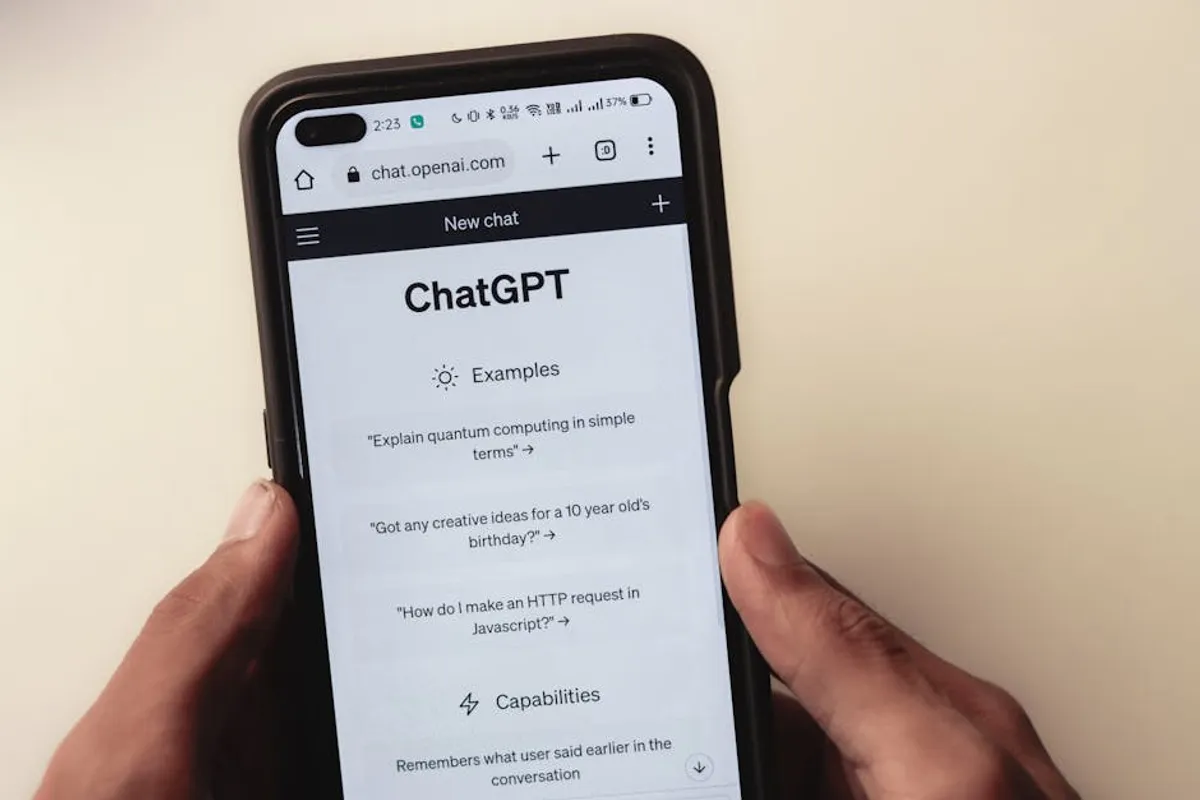
The escalating demand for high-quality, relevant content across digital channels presents a persistent challenge for marketing teams and publishers. Producing engaging articles, social media updates, email campaigns, and website copy at scale often strains resources, leading to bottlenecks in ideation, drafting, and optimization. AI chatbots offer a practical avenue for augmenting content creation workflows, providing support that can enhance efficiency and expand output without compromising quality. These tools function not as replacements for human creativity and strategic oversight, but as intelligent assistants capable of handling repetitive tasks, generating initial drafts, and analyzing data to inform content decisions.
Streamlining Content Ideation and Research
One of the primary bottlenecks in content creation is the initial ideation phase. Generating fresh, relevant topics that resonate with target audiences and align with commercial objectives requires significant research and brainstorming. AI chatbots can accelerate this process by analyzing vast datasets, identifying trending topics, and suggesting content angles based on specified keywords or industry themes.
Uncovering Niche Topics
Chatbots can process extensive amounts of web data, including search query trends, social media discussions, and competitor content performance. By inputting broad topics or target audience demographics, content teams can receive suggestions for long-tail keywords, emerging sub-niches, and questions frequently asked by users. This capability helps uncover untapped content opportunities that might otherwise require hours of manual research.
Developing Comprehensive Outlines
Once a topic is selected, structuring the content logically is crucial for readability and SEO. AI chatbots can generate detailed outlines, including potential subheadings, key talking points, and even suggested internal links. This provides a solid framework for writers, ensuring comprehensive coverage of the topic and a clear flow of information. The outlines can be refined by human editors to inject specific brand voice requirements or unique insights.
Accelerating Drafting and Outline Generation
The act of writing can be time-consuming, particularly for initial drafts. AI chatbots can significantly reduce the time spent on this stage, allowing human writers to focus on refining, adding depth, and ensuring factual accuracy.
Generating First Drafts Efficiently
For various content formats—from blog posts and product descriptions to social media captions and email newsletters—chatbots can produce preliminary drafts based on outlines, keywords, and tone guidelines. This capability is particularly useful for high-volume content needs or for quickly populating sections of a larger piece. The generated text provides a starting point, freeing writers from the blank page and allowing them to immediately engage with editing and enhancement.
Crafting Engaging Introductions and Conclusions
Introductions need to hook readers, and conclusions must summarize effectively while prompting action. These sections often require specific rhetorical skills. Chatbots can generate multiple variations of introductions and conclusions, experimenting with different angles, calls to action, or summarization techniques. This provides content creators with options to select and adapt, ensuring that the beginning and end of a piece are as compelling as the body.
Enhancing SEO Integration and Keyword Optimization
Effective content creation is inextricably linked with search engine optimization. AI chatbots offer practical support in integrating SEO best practices directly into the content development process.
Best for: Ensuring content aligns with search intent and ranking signals from the outset.
Chatbots can analyze target keywords and suggest their natural integration throughout the text, including in headings, body paragraphs, and meta descriptions. They can also identify opportunities for semantic keywords and related phrases that enrich the content's relevance for search engines. This proactive approach to SEO helps content rank more effectively without feeling forced or keyword-stuffed.
- Suggesting relevant long-tail keywords for specific sections.
- Identifying opportunities for internal and external linking.
- Optimizing meta titles and descriptions for click-through rates.
- Analyzing content for readability and suggesting improvements.
- Generating structured data markup (e.g., FAQ schema) for enhanced search visibility.
Pro Tip: While AI chatbots excel at generating text, always prioritize human fact-checking and brand voice consistency. AI-generated content should be seen as a robust first draft, not a final product, especially when dealing with nuanced or sensitive topics. Implement a multi-stage review process to maintain accuracy and authenticity.
Facilitating Content Repurposing and Variation
Maximizing the value of existing content often involves repurposing it into different formats or adapting it for various platforms. AI chatbots streamline this process, enabling content teams to extract more utility from their assets.
Adapting Content for Multiple Channels
A single blog post can be transformed into a series of social media updates, an email newsletter segment, or a script for a short video. Chatbots can take a long-form article and condense it into concise summaries, extract key bullet points, or rewrite sections with a different tone suitable for platforms like LinkedIn, X (formerly Twitter), or Instagram. This capability reduces the manual effort required to maintain a consistent presence across diverse digital touchpoints.
Generating A/B Test Variations
For elements like headlines, calls to action, or ad copy, A/B testing is crucial for optimizing performance. AI chatbots can quickly generate multiple variations of these elements, each with slightly different phrasing, emotional appeals, or keyword focus. This enables marketers to test different approaches efficiently, identifying which versions resonate most effectively with their audience and drive desired outcomes.
Refining Editing and Personalization at Scale
Beyond initial creation, AI chatbots also offer significant support in the refinement and tailoring of content, addressing issues like grammar, style, and audience-specific personalization.
Grammar, Style, and Tone Adjustments
Chatbots can perform comprehensive grammar and spelling checks, identify stylistic inconsistencies, and suggest improvements for clarity and conciseness. They can also adjust the tone of a piece to match specific brand guidelines—making text more formal, casual, persuasive, or informative as required. This ensures a polished final product that aligns with brand identity and communicates effectively.
Personalizing Content for Specific Segments
Delivering personalized content at scale is a significant challenge. AI chatbots can assist by taking a core piece of content and adapting it for different audience segments based on their demographics, preferences, or past interactions. This might involve altering examples, adjusting the language, or highlighting different benefits relevant to each segment, thereby increasing the content's perceived relevance and impact for individual readers.
Strategic Integration of AI in Content Workflows
Integrating AI chatbots into content creation is not about automating the entire process, but rather about strategically deploying these tools to enhance human capabilities. Content teams benefit most when they view chatbots as collaborative partners for specific tasks. This involves clearly defining the chatbot's role—whether for initial brainstorming, drafting support, SEO optimization, or editing—and establishing robust human oversight at every stage. Training team members on how to effectively prompt and refine chatbot outputs is essential for maximizing their utility. By focusing on areas where AI can efficiently handle repetitive or data-intensive tasks, content professionals can dedicate more time to strategic thinking, creative development, and injecting unique human insights that resonate deeply with audiences.
Frequently Asked Questions
Are AI chatbots replacing human content writers?
No, AI chatbots are not replacing human content writers. They serve as powerful tools to augment human capabilities, automate repetitive tasks, and accelerate various stages of content creation. Human writers remain essential for strategic thinking, injecting creativity, ensuring factual accuracy, maintaining brand voice, and providing the nuanced understanding that AI currently lacks.
How do AI chatbots ensure factual accuracy in content?
AI chatbots do not inherently ensure factual accuracy. Their responses are based on the data they were trained on, which can sometimes be outdated or contain inaccuracies. Human content creators must always fact-check any information generated by an AI chatbot, cross-referencing with reliable sources to guarantee the integrity and credibility of the final content.
Can AI chatbots maintain a consistent brand voice?
AI chatbots can be trained and prompted to adhere to specific brand voice guidelines, such as tone, style, and vocabulary. While they can achieve a high degree of consistency, human oversight is still crucial to ensure that the generated content fully aligns with the brand's unique personality and avoids generic or off-brand phrasing.
What are the common limitations of using AI chatbots for content creation?
Common limitations include a potential for generic or unoriginal content, occasional factual inaccuracies, difficulty with highly nuanced or emotionally intelligent topics, and a lack of true creativity or strategic foresight. AI chatbots also require clear and specific prompts to produce useful output, and their effectiveness is dependent on the quality of their training data.



Write the first note
Thoughtful disagreement welcomed. Promotional links quietly trimmed.