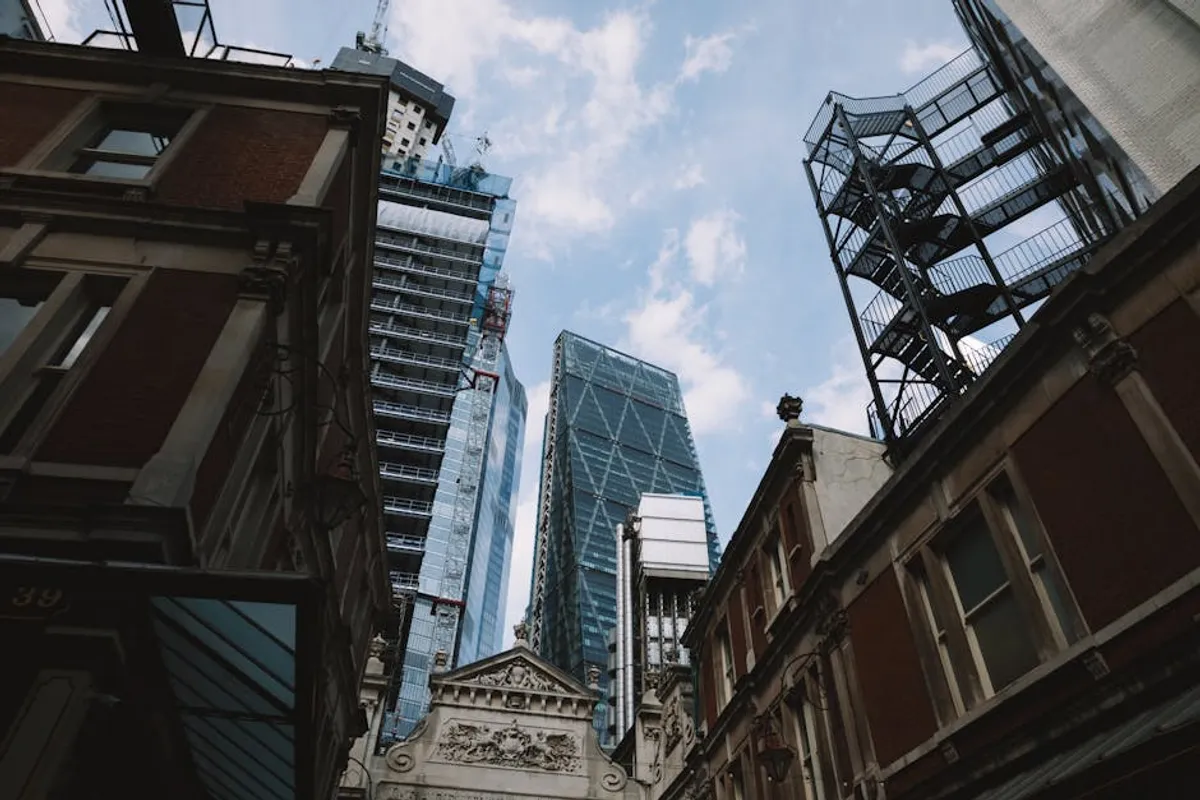
The content entity known as Mayfair London Review presents a focused opportunity for organic search visibility, primarily by addressing a specific, high-value geographic and demographic niche. Its search profile centers on providing detailed insights into one of London's most affluent and culturally significant districts. Understanding its potential search traffic involves dissecting the informational, commercial, and navigational queries users might employ when researching or planning activities within Mayfair. This analysis aims to outline how a content strategy built around 'Mayfair London Review' could capture significant, intent-driven traffic by catering to a discerning audience seeking comprehensive, authoritative information.
What Mayfair London Review Appears to Cover
Mayfair London Review, as a content hub, appears to encompass a broad spectrum of topics related to the Mayfair district. This includes in-depth profiles of luxury hotels, fine dining establishments, and high-end retail experiences. The content likely delves into the historical significance of the area, architectural highlights, and notable cultural institutions such as art galleries and auction houses. Beyond static information, it would cover current events, seasonal attractions, and exclusive experiences available within Mayfair. A significant portion of its content would also address practical aspects for visitors and residents, such as transportation, local services, and neighborhood guides. This comprehensive approach positions the content to answer a wide array of user queries, from initial discovery to detailed planning.
The 'Features' aspect within the content suggests detailed breakdowns of specific Mayfair attributes. This could involve articles on the unique characteristics of different Mayfair streets, the types of luxury brands present, or the distinct ambiance of various squares and parks. Furthermore, 'Safety' would likely be addressed through guides on general visitor precautions, local etiquette, and advice for navigating the area securely. Content discussing 'Alternatives' would explore other luxury districts in London or comparable global destinations, offering comparative insights for users weighing their options for upscale experiences or investments.
Where Its Search Traffic May Come From
Organic search traffic for Mayfair London Review would primarily originate from users seeking information about the Mayfair district through specific keyword queries. These keywords fall into several categories:
Informational Queries: Users searching for "what is Mayfair London known for," "history of Mayfair," "best art galleries Mayfair," or "Mayfair architecture." These queries indicate a desire for knowledge and understanding, often at the early stages of research.
Commercial Investigation Queries: Phrases like "luxury hotels in Mayfair reviews," "best restaurants Mayfair," "Mayfair shopping guide," or "Mayfair property market insights." These users are typically evaluating options before making a decision or purchase.
Navigational Queries: While less common for a review site, some traffic might come from users looking for specific establishments mentioned within Mayfair London Review's content, such as "Claridge's Mayfair address" or "nearest tube station Mayfair."
Long-Tail Keywords: Significant traffic potential lies in highly specific, multi-word phrases like "afternoon tea experiences Mayfair with a view," "boutique hotels Mayfair pet-friendly," or "Mayfair art fair dates and tickets." These queries often indicate strong user intent and can lead to higher conversion rates.
Geographic modifiers, such as "Mayfair London," "Mayfair UK," or "things to do in Mayfair," would be crucial components of these search queries, ensuring the content targets the correct locale. The site's content structure and internal linking would influence how well it captures traffic for these diverse search intents.
Search Intent Behind the Subject
The search intent behind queries directed at Mayfair London Review content is multifaceted, reflecting the diverse interests of its potential audience.
Informational Intent: A significant portion of users will be seeking factual information, historical context, or general understanding of Mayfair. This includes tourists planning visits, students researching London's districts, or individuals curious about the area's prestige. Content addressing this intent would include comprehensive guides, historical articles, and descriptive overviews.
Commercial Investigation Intent: This intent is driven by users comparing options, reading reviews, and seeking recommendations before a potential purchase or booking. Examples include someone looking for the "best luxury hotel in Mayfair for a honeymoon" or "top-rated Michelin star restaurants Mayfair." The content would need detailed reviews, comparative analyses, and curated lists to satisfy this intent.
Transactional Intent: While not a direct booking platform, Mayfair London Review content can facilitate transactional intent by directing users to specific businesses or services. For instance, an article detailing 'exclusive shopping experiences in Mayfair' might lead a user to visit a specific boutique. The content acts as a pre-transactional resource, influencing user decisions.
Local Intent: Many searches will have an implicit or explicit local component, such as "events in Mayfair this weekend" or "Mayfair attractions near me." Content catering to this intent requires up-to-date, location-specific information and potentially integration with mapping services or event listings.
The editorial voice for Mayfair London Review would ideally be sophisticated, authoritative, and aspirational, resonating with an audience that values luxury, quality, and exclusive experiences. Content depth would be crucial, with articles extending beyond surface-level information to provide unique insights and expert perspectives. A consistent content cadence, perhaps weekly or bi-weekly updates on events, new openings, or seasonal guides, would maintain user engagement and search engine freshness signals.
Why Traffic May Rise or Fall
Traffic fluctuations for Mayfair London Review are influenced by several factors. A rise in traffic could stem from successful content optimization for high-volume keywords, increased coverage of trending topics related to Mayfair, or external events drawing attention to the district (e.g., major art fairs, royal events, or high-profile openings). Strong seasonal interest in London tourism, particularly during spring and summer, would also contribute to traffic growth. Effective link building from authoritative travel or luxury lifestyle sites would boost domain authority and search rankings.
Conversely, traffic may fall due to increased competition from other travel guides or luxury publications, outdated content that no longer reflects current Mayfair offerings, or shifts in search algorithm preferences that deprioritize certain content types. A lack of fresh content, broken internal links, or poor mobile experience could also lead to a decline in organic visibility. Negative sentiment surrounding the district, although rare, could also temporarily impact search interest. Monitoring search trends and adapting content strategy accordingly is essential for sustained growth.
How the Site Could Improve Organic Visibility
To enhance organic visibility, Mayfair London Review could implement several strategies.
Deep Dive Content Clusters: Develop comprehensive topic clusters around specific Mayfair themes. For example, a "Mayfair Dining" cluster could include articles on Michelin-starred restaurants, best brunch spots, cocktail bars, and historical pubs, all interlinked. This signals topical authority to search engines.
Event-Specific Content: Create dedicated, frequently updated content for major Mayfair events like Frieze Art Fair, London Fashion Week events in Mayfair, or seasonal celebrations. This captures timely, high-intent traffic and establishes the site as a current resource.
User-Generated Content Integration: While maintaining an editorial voice, incorporating curated user reviews or testimonials for hotels, restaurants, or experiences could add authenticity and unique content, provided it is managed carefully to ensure quality and relevance.
Schema Markup Implementation: Utilize structured data (e.g., LocalBusiness, Event, Review, Article schema) to provide search engines with explicit information about the content. This can improve rich snippet visibility in search results for relevant queries, making listings more appealing.
Optimized Image and Video Content: Given Mayfair's visual appeal, high-quality, optimized images and videos (with alt text, captions, and transcripts) can attract traffic from image and video search, especially for queries like "Mayfair luxury hotels interior" or "Mayfair street views."
Internal Linking Strategy: Strengthen internal linking to ensure related articles are well-connected, distributing link equity and guiding users through relevant content pathways. This improves user experience and helps search engines discover and index more pages.
Address Content Gaps: Conduct thorough keyword research to identify topics related to Mayfair that are currently underserved by the content. This might include niche services, specific historical anecdotes, or lesser-known attractions that still draw search interest.
What to Check Before Trusting Traffic Estimates
Before relying on any traffic estimates for a site like Mayfair London Review, it is critical to verify the data source and methodology. Publicly available tools often provide estimates based on keyword rankings and assumed click-through rates, which can be indicative but rarely exact. Factors to consider include the freshness of the data, the specific keywords being tracked, and whether long-tail or niche queries are adequately represented. Geographic targeting is also crucial; global traffic estimates may not accurately reflect the specific audience interested in Mayfair, London. Additionally, some tools may not account for direct traffic, referral traffic, or branded search volume, which can be significant for an established content entity. Cross-referencing data from multiple sources and understanding their limitations provides a more balanced perspective on actual search performance.
Frequently Asked Questions
What kind of audience does Mayfair London Review target?
Mayfair London Review primarily targets affluent individuals, luxury travelers, tourists, potential residents, and business visitors interested in high-end experiences, services, and information within London's Mayfair district.
How does Mayfair London Review handle the 'Safety' aspect?
The content addresses safety by providing practical advice for visitors, including general precautions, local etiquette, and tips for navigating the area to ensure a secure and enjoyable experience.
What types of 'Alternatives' does Mayfair London Review discuss?
It explores other luxury districts in London or comparable global destinations, offering insights and comparisons for users seeking similar upscale experiences or investment opportunities outside of Mayfair itself.
Is Mayfair London Review focused on current events or evergreen content?
The content entity likely balances both, providing evergreen guides on Mayfair's history and permanent attractions, alongside timely updates on current events, seasonal offerings, and new establishments to maintain relevance and capture trending search interest.



Write the first note
Thoughtful disagreement welcomed. Promotional links quietly trimmed.