The flower festivals worth planning a trip around are genuinely worth it. They anchor a holiday in a way that a generic city break can't — you have a specific reason to be somewhere at a specific week, and that specificity shapes every other decision. But they also require more forward planning than most holidays. Here is how to do it without ending up in the wrong week.
Pick the bloom, not the festival
The first mistake people make is choosing a festival by reputation ("Chelsea is the one everybody knows") and then trying to make a trip work around it. This often means going at a bad price point, with bad lodging, in bad weather.
Reverse the logic: pick the flower you most want to see in full bloom, and then research where and when that bloom peaks. A few of the best:
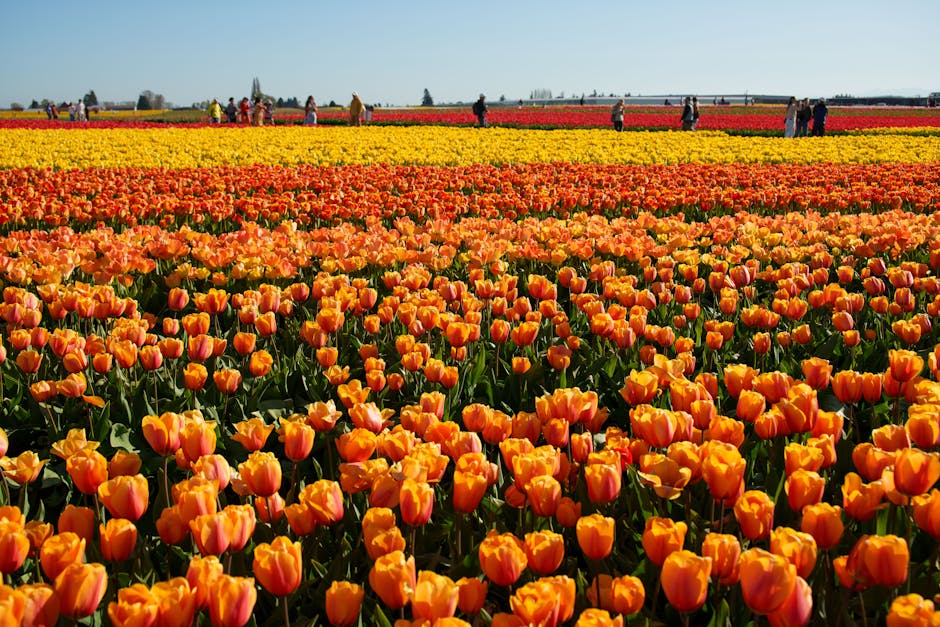
- Tulips, late April–early May: Keukenhof (Netherlands), Skagit Valley (USA).
- Cherry blossom, late March–early April: Tokyo, Kyoto, Washington DC.
- Lavender, late June–late July: Provence (Valensole plateau), Hokkaido.
- Roses, mid-May–mid-June: Chelsea Flower Show (London), Rose Gardens at Regent's Park, the International Rose Garden in Portland, Oregon.
- Dahlias, late August–early October: Victoria Dahlia Society (Canada), the RHS Rosemoor show in Devon.
- Indoor fantasy, year-round: Dubai Miracle Garden (open roughly November to April — closed in summer heat). Not a "festival" in the seasonal sense but an experience worth a trip.
The lead time table
Some festivals need booking further in advance than you'd think. Rough lead times for the most popular:
- Chelsea Flower Show (UK, May): tickets typically on sale the preceding December. Book by January for choice of day. Accommodations near the Royal Hospital in Chelsea are booked out 4–5 months ahead.
- Keukenhof (Netherlands, April–May): entry tickets don't sell out, but lodging in Lisse or Leiden fills up 3 months ahead. Amsterdam lodging is fine 6 weeks out if you're flexible.
- Cherry Blossom in Tokyo (late March–early April): lodging in central Tokyo books 4–6 months ahead for the peak weeks. Traditional ryokan in Kyoto book 6 months ahead.
- Dubai Miracle Garden (November–April): no advance lodging pressure specific to the garden, but Dubai in general is busy during this whole window.
- Lavender in Provence (July): lodging books 4 months ahead in Valensole, 2 months in Sault (less famous but equally beautiful and less crowded).
- Philadelphia Flower Show (March): tickets on sale in November. Lodging nearby fills 6 weeks out.
The rule: any festival with an internationally known name needs booking three to six months out for lodging. Smaller regional festivals are fine at six weeks out.
Pick the dates carefully
Most festivals peak in a narrow window. Arriving two weeks early (buds, not blooms) or two weeks late (spent blooms, empty fields) will leave you feeling cheated. The windows are narrower than travel agencies suggest:
- Keukenhof peak tulips: April 22 to May 5, roughly. Arrive weekdays.
- Tokyo cherry blossom: typically March 25 to April 5, but the official "bloom forecast" moves year to year based on winter temperatures. Check the Japan Meteorological Corporation's annual forecast (published late January) before booking.
- Provence lavender: last week of June through the third week of July. Earliest and latest depend on rainfall. Ask the farm — not the tourist board — which week they will be harvesting (you want to visit just before harvest, not after).
- Chelsea Flower Show: fixed dates, late May. Booked 4 months out.
What NOT to do at a flower festival
Don't try to see everything in one day
Keukenhof has four pavilions and 79 acres; you cannot meaningfully see it all in six hours. Chelsea has 500+ exhibitors; same problem. Pick three or four parts of the festival to go deep on, and ignore the rest. A flower festival visited half-attentively is forgettable; a quarter of a festival visited with attention is memorable.
Don't over-photograph
The reason to be at a flower festival is to see flowers. The eye registers a flower differently from the camera lens. Take three good photos; then put the camera away and look. The difference in memory a year later is significant.
Don't eat at the festival food stalls
Without exception they are expensive, mediocre, and the queues are long. Pack a lunch (permitted at almost all major festivals), or leave the grounds for a local restaurant and return after.
Don't touch the flowers
Obvious. People still do it. A festival with 50,000 visitors a day cannot survive handling.
The unfestival festival: walking a local bloom
The overlooked option is a self-directed "festival" of a local bloom you care about, without attending an official event. Examples:
- Lilac time in Hulme Park or the Brooklyn Botanic Garden (mid-May).
- Jacaranda week in Pretoria (mid-October in the southern hemisphere).
- Rhododendron bloom at Muir Woods (late April–May).
- Plum blossom in Kyoto (early to mid March — three weeks before cherry blossom and almost invisibly crowded).
These aren't advertised festivals but the experience is often more intimate. Check local horticultural society websites — they publish "bloom calendars" that tell you when local species peak.
The short version
Pick the flower first. Confirm the peak bloom week for that year. Book lodging three to six months ahead for major festivals, six weeks ahead for regional ones. Arrive weekday morning. Pick three parts of the festival to experience deeply, not all of it. Eat off-site. Put the camera away after the first good photo. A quiet trip around a single flower beats a frantic trip around a famous festival every time.
Write the first note
Thoughtful disagreement welcomed. Promotional links quietly trimmed.