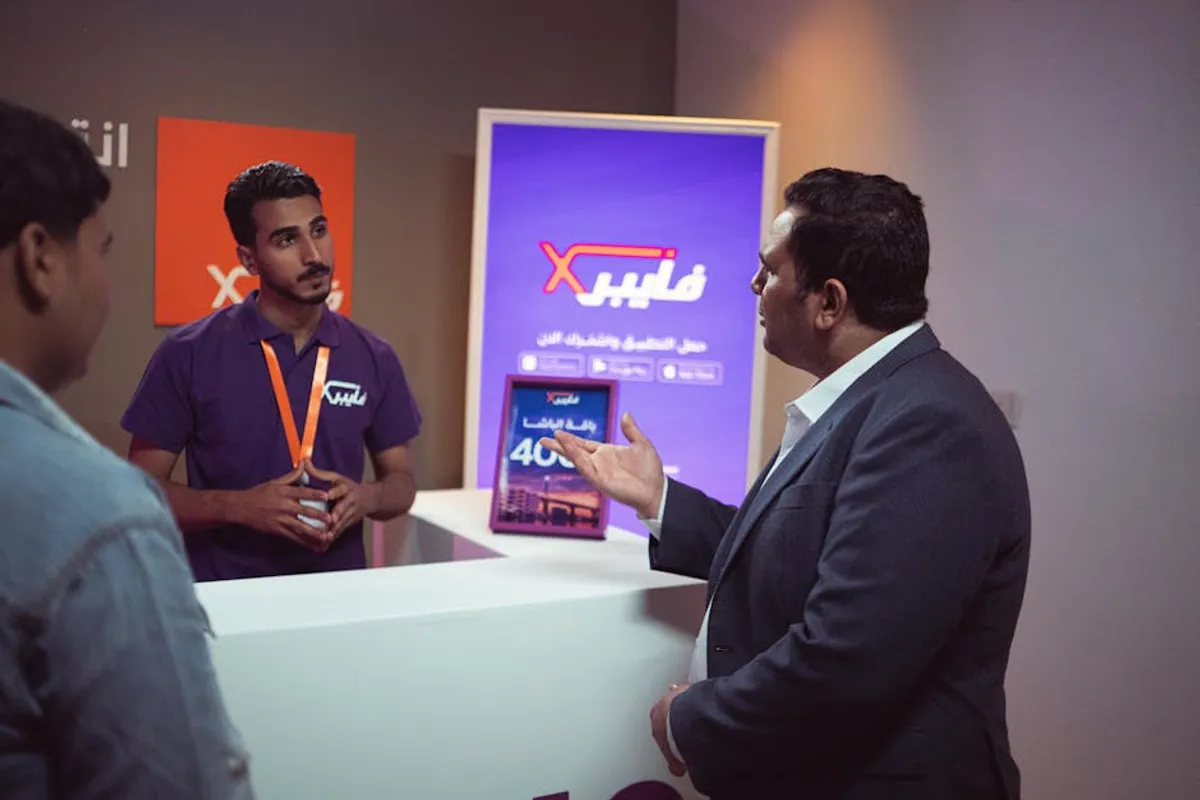
Securing high-quality event photography on a limited budget presents a common challenge for event organizers, marketers, and small businesses. The goal is to capture the essence, energy, and key moments of an event effectively, generating valuable visual assets for promotion, archives, and audience engagement, without incurring prohibitive costs. This requires a strategic approach that prioritizes creative solutions, efficient resource allocation, and a clear understanding of what visual content will deliver the most commercial impact. Instead of viewing budget constraints as limitations, consider them catalysts for innovative photographic strategies that can often yield more authentic and memorable results than traditional, high-cost methods. The following ideas focus on maximizing visual return with minimal financial outlay, ensuring your event’s story is told compellingly and cost-effectively.
What to Consider for Budget Event Photography
Before implementing any specific photography idea, a foundational assessment of your event's visual needs is crucial. This ensures that chosen methods align with desired outcomes and budget realities. First, define the primary purpose of the event photos: are they for immediate social media sharing, a formal press kit, post-event reports, or future marketing campaigns? This clarity dictates the required image resolution, style, and quantity. Second, evaluate existing resources; a modern smartphone, for instance, can be a powerful tool when used strategically. Third, identify the most critical moments or aspects of the event that absolutely must be documented. Not every second requires professional-grade coverage. Fourth, understand the lighting conditions of your venue, as ambient light can significantly reduce the need for expensive external flashes or complex setups. Finally, factor in post-production requirements; even budget-conscious photography benefits from efficient editing to enhance quality and consistency, so allocate time or a small portion of your budget for this stage.
1. Smartphone Photography with External Lenses
Leveraging the advanced cameras in contemporary smartphones offers a highly accessible and cost-effective entry point into event photography. Modern devices boast high-resolution sensors, impressive dynamic range, and increasingly sophisticated computational photography capabilities. Augmenting these with affordable clip-on or screw-on external lenses (e.g., wide-angle, macro, telephoto) can expand creative versatility without the capital investment of a DSLR or mirrorless system. This approach emphasizes portability and immediate sharing, making it ideal for real-time content generation.
Best for: Social media content, behind-the-scenes coverage, candid moments, small informal gatherings, quick digital dissemination.
Pros: Minimal equipment cost, instant photo and video sharing, compact and discreet, low barrier to entry for operators, often includes built-in editing tools.
Cons: Limited low-light performance compared to dedicated cameras, less control over depth of field and manual settings, perceived professionalism may be lower for formal outputs, battery life can be a concern with heavy usage.
Verdict: An excellent solution for capturing authentic, shareable content quickly and efficiently, particularly when the primary output is digital. It requires a skilled operator to maximize its potential, especially in challenging lighting, but offers unparalleled convenience and cost savings.
2. Volunteer or Student Photographers
Engaging volunteer or student photographers provides a mutually beneficial arrangement: they gain valuable portfolio experience and networking opportunities, while your event secures photographic coverage at minimal to no labor cost. This strategy taps into emerging talent eager to build their skills and showcase their work. Recruitment can occur through local photography schools, community art programs, or online platforms dedicated to connecting volunteers with opportunities. Clear communication regarding expectations, deliverables, and credit is paramount for a successful partnership.
Best for: Non-profit events, community festivals, educational workshops, conferences seeking diverse perspectives, events where formal experience is secondary to enthusiasm.
Pros: Low or no direct labor cost, fresh and enthusiastic perspectives, potential for unique creative approaches, opportunities for mentorship and community engagement.
Cons: Variable skill levels and experience, requires clear direction and oversight, potential for inconsistent quality, risk of no-shows or incomplete deliverables, may require providing equipment if volunteers lack their own.
Verdict: A viable and ethical option for budget-conscious events, provided the organizer invests time in thorough vetting, clear briefing, and offering tangible value (e.g., portfolio credit, networking) to the photographers. It's a trade-off between guaranteed professional consistency and cost savings.
3. Photo Booth with DIY Props
A self-service photo booth, assembled with a simple backdrop, good lighting, and an array of DIY props, shifts the photography responsibility to attendees while generating engaging, user-generated content. This setup encourages interaction and provides memorable takeaways for guests, often at a fraction of the cost of a dedicated event photographer. A tripod-mounted smartphone or a basic digital camera with a self-timer can serve as the primary capture device, with instructions clearly displayed.
Best for: Parties, informal networking events, brand activations, weddings, any gathering where guest interaction and fun are key objectives.
Pros: High guest participation and engagement, generates shareable social media content, provides tangible keepsakes for attendees, reduces the need for extensive candid event coverage, relatively low setup and operational cost.
Cons: Requires dedicated space and setup time, quality depends on guest interaction and lighting setup, does not capture candid event moments outside the booth, potential for prop damage or disarray.
Verdict: An effective strategy for creating a fun, interactive element that produces a high volume of guest-centric photos. It serves as an excellent complement to other budget photography methods, focusing on attendee experience and content creation.
4. Leveraging Natural Light
Optimizing the use of natural light is a cost-free method to enhance photo quality significantly, eliminating the need for expensive artificial lighting equipment. This involves strategic planning around the event schedule and venue choice to maximize ambient light. Shooting outdoors during the "golden hour" (shortly after sunrise or before sunset) provides soft, warm light ideal for portraits and atmospheric shots. Indoors, positioning subjects near large windows or in well-lit areas can dramatically improve image clarity and mood. This approach demands a photographer with a strong understanding of light and shadow.
Best for: Outdoor events, daytime indoor venues with ample natural light, artistic and candid photography, portraits, events seeking a natural, airy aesthetic.
Pros: Cost-free illumination, produces natural and flattering aesthetics, reduces equipment setup and complexity, often results in softer shadows and more authentic colors.
Cons: Highly dependent on weather conditions and time of day, limited control in challenging light situations (e.g., harsh midday sun, deep shadows), requires a photographer skilled in light management and composition, may necessitate adjusting event schedule or layout.
Verdict: A fundamental principle of photography that, when applied skillfully, can elevate image quality without any additional financial investment. It requires foresight in planning and a photographer capable of adapting to and utilizing available light effectively.
5. Focusing on Detail and Macro Shots
Instead of attempting to capture every attendee or the entire venue, a focused approach on details and macro shots can tell a compelling story about an event's theme, decor, food, or unique elements. This method requires fewer overall shots but demands a keen eye for composition and the ability to isolate interesting textures, colors, and arrangements. A standard lens with good close-focus capabilities or an affordable macro extension tube can facilitate this, creating a distinct visual narrative that emphasizes the event's unique character.
Best for: Themed events, food and beverage festivals, craft fairs, product launches, art exhibitions, events where specific elements are central to the experience.
Pros: Creates unique and artistic visual narratives, often requires less extensive event coverage, can be achieved with basic lenses or affordable accessories, highlights specific brand or event elements effectively.
Cons: May miss broader event atmosphere or crowd shots, requires a photographer with a strong artistic vision and attention to detail, less focus on people or interactions, limits the scope of visual documentation.
Verdict: A strategic choice for events where the aesthetic, specific offerings, or intricate details are paramount. This approach yields a curated set of high-impact images that convey sophistication and attention to detail, making it commercially useful for showcasing unique aspects.
6. "Guest Photographer" Contest
Launching a "guest photographer" contest encourages attendees to capture and submit their best photos of the event, effectively crowdsourcing content. This strategy not only generates a high volume of diverse images but also boosts attendee engagement and social media buzz. Offer a small prize (e.g., event tickets, merchandise, gift card) for the best submissions. Clear guidelines on photo quality, subject matter, and submission methods (e.g., specific hashtag, email address) are essential for managing expectations and collecting usable content.
Best for: Social events, festivals, community gatherings, brand activations seeking user-generated content, events with an active and engaged audience.
Pros: Free content generation, high volume and diversity of photos, authentic perspectives from attendees, boosts social media engagement and reach, creates a sense of community ownership.
Cons: Variable image quality, requires clear submission guidelines and moderation, potential privacy concerns if not managed correctly, no control over specific shots or critical moments, requires time for review and selection.
Verdict: An excellent method for gathering a broad range of authentic, user-generated content and fostering community interaction. While quality can vary, it provides a rich pool of images for social media and highlights the event from multiple attendee viewpoints.
7. Single Lens Challenge (e.g., 50mm Prime)
Restricting a photographer to a single, versatile prime lens, such as a 50mm f/1.8, forces creative composition and movement, often leading to more thoughtful and artistic images. A 50mm prime lens is relatively inexpensive, offers excellent image quality, and performs well in low light due to its wide aperture. This approach eliminates the need for a costly array of zoom lenses, making the most of a minimal gear setup. The photographer must physically move to frame shots, which can result in more dynamic and intentional compositions.
Best for: Portraits, candid event shots, artistic coverage, events where a photographer's skill in framing and light is prioritized over zoom flexibility.
Pros: Affordable lens option, encourages creative framing and movement, excellent image quality and low-light performance (for prime lenses), lighter gear setup, can produce a consistent aesthetic.
Cons: Fixed focal length can be restrictive for certain shots (e.g., very wide or very close-up without moving), requires the photographer to be highly mobile, not ideal for fast-paced events requiring rapid changes in focal length, learning curve for photographers accustomed to zoom lenses.
Verdict: A cost-effective strategy for achieving high-quality, artistic images by relying on a photographer's skill and understanding of composition. It proves that exceptional photography can be achieved with minimal, well-chosen equipment.
8. Time-Lapse Photography
Time-lapse photography offers a dynamic and engaging way to capture the progression and atmosphere of an event over an extended period. By condensing hours of activity into a short video, it provides a unique perspective on setup, crowd flow, key presentations, or the overall transformation of a space. This can be achieved with a basic camera (even a smartphone with a time-lapse app) mounted on a stable tripod, set to capture images at regular intervals. The resulting video content is highly shareable and effectively conveys the event's energy.
Best for: Capturing event setup and breakdown, long-duration conferences, festivals, art installations, capturing crowd dynamics, providing an overview of event flow.
Pros: Creates compelling video content, can be set up and left unattended for extended periods, offers a unique and engaging perspective, highly shareable on social media, relatively low equipment cost if using existing cameras.
Cons: Not suitable for capturing individual moments or specific interactions, requires a very stable setup, can be data-intensive for longer durations, post-production is required to assemble the sequence, limited flexibility once started.
Verdict: A powerful supplementary visual tool that captures the overarching narrative and energy of an event. It provides valuable video assets for post-event promotion and adds a professional, dynamic element to your visual content library without requiring constant photographer presence.
9. Utilizing Existing Venue Features as Backdrops
Maximizing the visual appeal of an event space without incurring additional decor costs involves strategically integrating existing venue features into your photography. This means scouting the location beforehand to identify architectural elements, unique decor, natural light sources, or branded installations that can serve as compelling backdrops or framing devices. A skilled photographer can leverage these elements to add depth, context, and aesthetic richness to images, making the most of the environment you've already paid for.
Best for: Events in unique venues, historical buildings, well-designed modern spaces, outdoor locations, events with pre-existing strong branding or decor.
Pros: Cost-free backdrops and visual interest, enhances the event's theme and atmosphere, adds depth and context to photos, reduces the need for artificial staging or props, leverages existing investment in venue selection.
Cons: Dependent on the aesthetic quality and suitability of the chosen venue, requires thorough scouting and planning, limited control over environmental factors (e.g., other guests, clutter), less flexibility if the venue has limited visually appealing areas.
Verdict: An intelligent and cost-effective approach to elevate event photography by integrating the inherent beauty and character of the location. It requires a photographer with a strong eye for composition and an ability to work within the existing environment.
10. Post-Processing Focus
Instead of investing heavily in top-tier camera gear for shooting, allocate resources to skilled post-processing. Even photos taken with mid-range equipment can be significantly enhanced through professional editing. This involves adjusting exposure, color balance, contrast, cropping, and minor retouching to create polished, consistent, and brand-aligned visuals. A dedicated editor or a photographer with strong editing skills can transform good raw images into exceptional final products, ensuring a cohesive visual identity across all event photos.
Best for: Events with a strong need for brand consistency, improving photos taken with less expensive gear, correcting minor photographic flaws, creating a professional and polished final look.
Pros: Can dramatically improve image quality and aesthetic consistency, corrects minor technical flaws (e.g., exposure, white balance), creates a cohesive brand look across all visuals, potentially more cost-effective than investing in high-end shooting equipment, extends the usability of existing photos.
Cons: Cannot salvage poorly composed, out-of-focus, or severely underexposed shots, requires a good base image to start with, adds a post-event time commitment, requires specialized software and editing skills.
Verdict: An essential step for any event photography, but particularly crucial for budget-conscious projects. Prioritizing skilled post-processing ensures that even technically adequate photos are elevated to a professional standard, maximizing their commercial utility and brand impact.
11. Trade Services with a Photographer
Bartering services with a photographer can provide professional coverage without direct monetary outlay. This involves offering something of equivalent value to the photographer, such as free event access, promotional opportunities (e.g., prominent credit, speaking slots), a booth at the event, or services from your own business. This arrangement works best when there's a clear mutual benefit and a precise agreement on deliverables and terms of exchange. It's a relationship-building exercise that can secure high-quality work from professionals seeking exposure or specific opportunities.
Best for: Community events, smaller businesses, photographers seeking portfolio expansion, networking, or access to specific types of events, non-profit organizations.
Pros: No direct monetary cost for photography, builds valuable professional relationships, can attract experienced photographers seeking specific opportunities, offers a flexible payment model.
Cons: Requires careful negotiation and clear terms of exchange, may not attract top-tier talent if the trade offer is not highly compelling, potential for miscommunication if expectations are not explicitly defined, requires a valuable trade offer.

Write the first note
Thoughtful disagreement welcomed. Promotional links quietly trimmed.