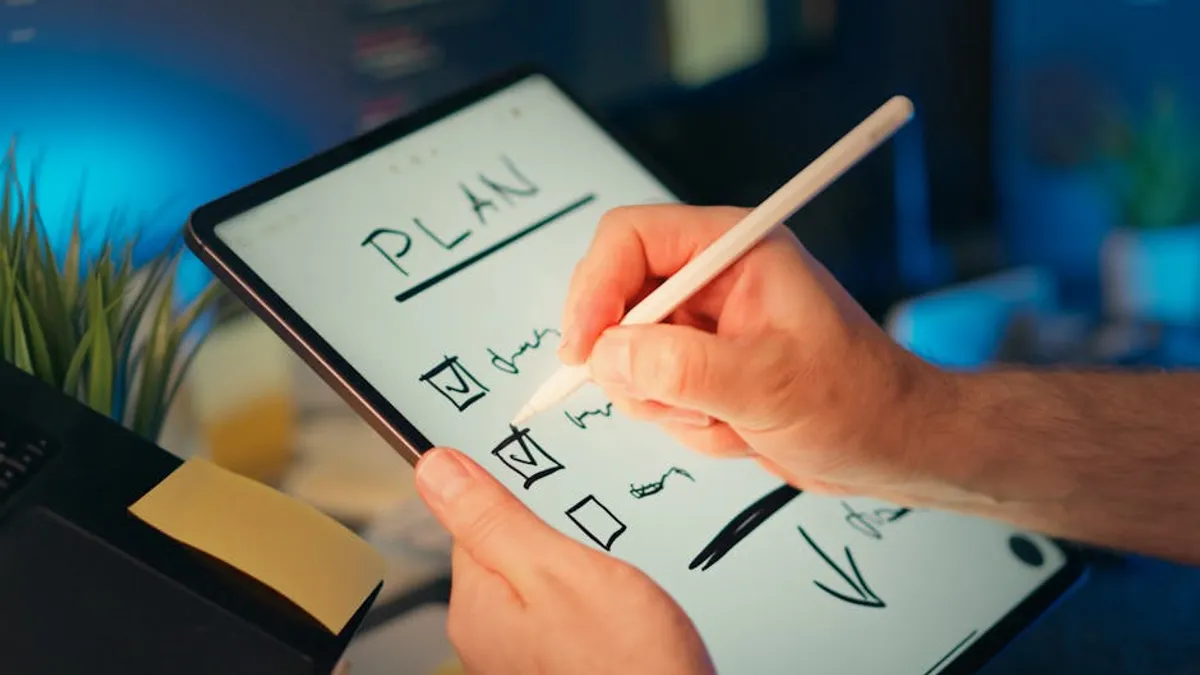
Organizing an event often conjures images of significant financial outlay, from venue rentals and catering to entertainment and decor. However, a limited budget does not necessitate a compromise on impact or guest experience. Successful event planning on a smaller scale hinges on strategic decisions, creative resourcefulness, and a clear understanding of your core objectives. The goal is to maximize perceived value and deliver a memorable occasion by reallocating resources, leveraging community assets, and focusing on authenticity over extravagance. This guide outlines actionable ideas designed to reduce expenditures while elevating the event's overall quality and distinctiveness.
Key Considerations for Budget-Friendly Events
Before committing to specific ideas, assess the event's primary purpose and target audience. A clear understanding of what guests value most will inform where to allocate the budget, even if minimal. Prioritize elements that directly contribute to the event's core message or experience. For instance, if the event's purpose is networking, a comfortable, accessible venue and quality refreshments might take precedence over elaborate decor. Conversely, a celebratory gathering might prioritize a festive atmosphere created through DIY elements and engaging activities. Consider the following:
- Define Core Objectives: What is the single most important outcome for this event? Is it community building, celebration, education, or promotion?
- Guest Experience Focus: Identify 1-2 elements that will genuinely delight your specific guests. Not all elements need to be high-cost.
- Resource Audit: What existing resources (skills, connections, materials) can be leveraged? Think beyond monetary contributions.
- Flexibility: Be open to alternative dates, times, and locations that offer cost savings.
- DIY vs. Buy: Evaluate what can realistically be created in-house versus what must be outsourced, considering time and skill constraints.
1. Strategic Venue Selection
Venue costs often represent the largest portion of an event budget. Shifting away from traditional event halls and hotels can yield substantial savings. Consider non-conventional spaces that offer inherent character or require minimal additional decoration. Public parks, community centers, local libraries, co-working spaces, art galleries during off-hours, or even large private residences can provide unique backdrops at a fraction of the cost. Some venues may offer reduced rates for non-profit organizations or for booking during off-peak days or times.
Best for: Community gatherings, workshops, informal celebrations, artistic showcases, or events where atmosphere is more important than bespoke services.
Pros:
- Significantly lower rental fees, or even free options.
- Unique ambiance often requires less additional decor.
- Supports local community infrastructure.
- Increased flexibility with external vendors (catering, decor) compared to full-service venues.
Cons:
- May lack dedicated event staff or amenities (e.g., AV equipment, ample parking, restrooms).
- Requires more hands-on coordination for setup, breakdown, and logistics.
- Permit requirements for public spaces can be complex and time-consuming.
- Weather dependency for outdoor locations adds risk without a backup plan.
Verdict: Prioritize venues that align with your event's theme and require minimal transformation. Factor in the hidden costs of bringing in external services or equipment that a traditional venue might include. A well-chosen unconventional space can be a major budget-saver and a unique selling point.
2. DIY Decor & Ambiance
Instead of hiring professional decorators or purchasing expensive themed items, leverage creativity and readily available resources. Repurpose household items, utilize natural elements like flowers, branches, or potted plants, and source materials from thrift stores, dollar stores, or craft supply sales. Handmade banners, centerpieces, and signage add a personal touch that often resonates more deeply with guests than generic store-bought items. Focus on a few key decorative elements that create a strong visual impact rather than spreading a thin budget across many small, insignificant items.
Best for: Personal celebrations, themed parties, craft fairs, community events, or any occasion where authenticity and a personal touch are valued.
Pros:
- Substantial cost savings on decoration and styling services.
- Allows for highly personalized and unique aesthetic expressions.
- Engages volunteers or community members in the event preparation.
- Reduces waste by repurposing and upcycling materials.
Cons:
- Requires significant time and effort for planning, sourcing, and execution.
- Skill limitations may impact the quality or polish of the final look.
- Storage and transportation of DIY elements can be challenging.
- Risk of looking unprofessional if not executed thoughtfully.
Verdict: Plan decor elements well in advance, gather inspiration, and delegate tasks to willing volunteers. Focus on one or two "hero" decor pieces that make a statement. Simplicity and consistency in theme are key to achieving an elegant, budget-friendly look.
3. Off-Peak Scheduling
Event costs fluctuate significantly based on demand. Booking venues, caterers, and entertainment during off-peak times can lead to considerable discounts. Weekdays, mornings, or late evenings often have lower rates than weekends or prime evening slots. Similarly, scheduling events during off-season months (e.g., January-March or July-August in many regions) can unlock better deals. Being flexible with your event date provides leverage in negotiations and access to vendors who might otherwise be fully booked or charge premium rates.
Best for: Business meetings, workshops, networking events, or any gathering where guest attendance is not strictly tied to weekend availability.
Pros:
- Access to preferred vendors and venues at reduced prices.
- Increased availability of desired services.
- Potentially less competition for guest attendance against other events.
- More relaxed atmosphere due to lower demand.
Cons:
- May conflict with guests' work schedules, reducing attendance for social events.
- Limited options for certain types of events that traditionally occur on weekends (e.g., weddings).
- Requires clear communication to manage guest expectations regarding timing.
Verdict: Evaluate your target audience's availability carefully. For corporate or educational events, off-peak scheduling is often ideal. For social gatherings, weigh the cost savings against potential attendance drops. A weekday evening or Sunday afternoon can often strike a good balance.
4. Streamlined Catering & BYOB
Food and beverage expenses can quickly escalate. Instead of a multi-course meal or open bar, consider simpler, more cost-effective options. A buffet with fewer, high-quality dishes, appetizers instead of a full meal, or a dessert-focused reception can significantly cut costs. Food trucks offer a trendy and often more affordable alternative to traditional catering. For beverages, a "Bring Your Own Bottle" (BYOB) policy (where legally permitted) or offering a limited selection of non-alcoholic drinks and one signature cocktail can control spending. Potluck-style events are also viable for informal gatherings, leveraging guests' contributions.
Best for: Casual parties, community potlucks, informal networking, or events aiming for a relaxed, communal atmosphere.
Pros:
- Substantial reduction in catering and beverage costs.
- Food trucks offer variety and a unique culinary experience.
- Potlucks foster a sense of community and shared contribution.
- BYOB allows guests to enjoy their preferred drinks without organizer expense.
Cons:
- Potlucks require careful coordination to avoid duplicate dishes or dietary gaps.
- Food safety and allergy management can be more complex with non-professional catering.
- BYOB policies may require specific permits or venue approvals.
- Limited menu options might not suit all guest preferences or formal events.
Verdict: Match the catering style to your event's formality and guest expectations. For casual events, embrace creative, cost-saving food and drink options. For more formal events, focus on quality over quantity, perhaps offering one standout dish or a curated selection of beverages.
5. Digital Invitations & Promotion
Eliminate printing and postage costs by leveraging digital channels for invitations and promotion. Email invitations, event pages on social media platforms, and dedicated event websites (using free or low-cost builders) are efficient and environmentally friendly. Utilize free online tools for RSVP tracking and guest communication. Social media can also be a powerful, free promotional tool for reaching a wider audience through organic sharing and targeted groups, reducing the need for paid advertising.
Best for: Virtually all event types, from corporate webinars to personal celebrations, where guests are digitally connected.
Pros:
- Zero printing and postage costs.
- Instant delivery and easy tracking of RSVPs.
- Facilitates quick updates and communication with guests.
- Broad reach through social media sharing and online communities.
- Environmentally sustainable option.
Cons:
- May exclude guests without regular internet access or who prefer physical invitations.
- Risk of emails going to spam folders.
- Requires graphic design skills for visually appealing digital assets.
- Can be perceived as less formal for certain high-profile events.
Verdict: Digital communication is the standard for most events today. Invest time in creating clear, engaging digital assets. For a small segment of guests, a printed invitation might still be necessary, but this can be a small, targeted batch.
6. Emerging Talent Entertainment
Professional entertainers can command high fees. Instead, seek out emerging local talent, student performers from music or drama schools, or community groups. These individuals or groups are often eager for performance opportunities to build their portfolios and gain exposure, making them more amenable to lower fees or even performing for free in exchange for promotion or experience. Consider a local DJ who is just starting out, a university band, or a community theater troupe for short performances.
Best for: Community festivals, art showcases, school events, casual parties, or any event where the entertainment is part of the ambiance rather than the main draw.
Pros:
- Significantly lower entertainment costs.
- Supports local artists and fosters community engagement.
- Offers unique and fresh performances.
- Performers are often highly motivated to deliver a strong show.
Cons:
- Less experience may mean less polish or reliability.
- Requires thorough vetting to ensure quality and suitability.
- Technical requirements (sound, lighting) may need to be provided by the organizer.
- Limited repertoire compared to established professionals.
Verdict: Thoroughly vet emerging talent through auditions, video samples, or references. Clearly define expectations regarding performance length, equipment needs, and compensation (even if it's just promotion). A talented newcomer can provide excellent value and a unique experience.
7. Volunteer & Skill-Swap Staffing
Reduce staffing costs by recruiting volunteers or organizing a skill-swap among friends, family, or community members. For example, a friend skilled in photography might offer their services in exchange for a future favor, or a local student might volunteer in exchange for a letter of recommendation or experience. Clearly define roles and responsibilities for each volunteer to ensure smooth operation. Provide clear instructions and a point of contact for any issues that arise during the event.
Best for: Non-profit events, community gatherings, personal celebrations, or any event with a strong network of willing supporters.
Pros:
- Eliminates or significantly reduces labor costs.
- Fosters a sense of community and shared ownership of the event.
- Allows for more personalized guest interactions.
- Provides opportunities for individuals to gain experience or contribute.
Cons:
- Volunteers may lack professional experience or commitment levels.
- Requires extensive training and clear communication.
- Risk of no-shows or last-minute cancellations.
- Legal and liability considerations for volunteer staff need to be addressed.
Verdict: Build a reliable team by recruiting enthusiastic and responsible individuals. Provide adequate training, clear roles, and express genuine appreciation for their contributions. Having a few experienced core volunteers can mitigate risks associated with less experienced staff.
8. Focus on One "Wow" Element
Instead of trying to impress guests with multiple expensive features, identify one single "wow" element that will create the most memorable impact. This could be a unique interactive experience, a particularly striking piece of decor, an exceptional performance, or an unexpected culinary delight. By concentrating the budget on one standout feature, you create a focal point that guests will remember and talk about, making the entire event feel more luxurious and well-executed than if the budget were spread thinly across many average elements.
Best for: Events seeking to make a strong impression with limited resources, product launches, milestone celebrations, or artistic installations.
Pros:
- Maximizes impact and memorability with a concentrated budget.
- Creates a clear talking point and photo opportunity for guests.
- Simplifies planning by narrowing the focus.
- Can make a small event feel more significant and intentional.
Cons:
- If the "wow" element fails, the entire event's impact may be compromised.
- Requires careful selection to ensure it resonates with the target audience.
- Other elements of the event may appear less polished in comparison if not handled well.
Verdict: Choose a "wow" element that genuinely aligns with your event's purpose and audience. Ensure its execution is flawless, as it will be the centerpiece of the guest experience. Complement it with simple, well-executed surrounding elements.
9. Smart Sourcing & Bulk Buying
For items that cannot be DIY'd, explore smart sourcing strategies. Purchase non-perishable items in bulk from wholesale clubs or restaurant supply stores. Compare prices from multiple vendors for rentals (tables, chairs, linens) and prioritize local suppliers who may offer better rates or waive delivery fees. Consider borrowing items from friends, family, or other organizations. For consumables, buy seasonal ingredients directly from local farmers' markets to reduce costs and support local businesses, while also ensuring freshness.
Best for: Events requiring a significant quantity of supplies, food, or rental items, such as large parties, community meals, or multi-day workshops.
Pros:
- Significant cost savings on supplies and rentals.
- Ensures consistency in product quality for bulk purchases.
- Supports local economies when sourcing locally.
- Reduces the number of individual transactions and coordination efforts.
Cons:
- Requires storage space for bulk items prior to the event.
- Minimum order requirements may lead to excess inventory.
- Time-consuming process of comparing prices and negotiating with multiple vendors.
- Quality of borrowed items may vary.
Verdict: Create a detailed inventory list and identify items that can be purchased in bulk or sourced smartly. Start sourcing early to allow ample time for price comparisons and negotiations. Leverage personal networks for borrowing items to further reduce costs.
10. Repurposing & Upcycling
Before purchasing anything new, consider what existing items can be repurposed or upcycled. Old jars can become candle holders or vases. Fabric scraps can be transformed into bunting or table runners. Pallets can be used for rustic seating or display tables. This approach not only saves money but also adds a unique, eco-conscious charm to the event. It encourages creative problem-solving and can result in a highly personalized aesthetic that stands out from generic event setups.
Best for: Eco-conscious events, bohemian themes, craft workshops, or any event where a rustic or handmade aesthetic is desired.
Pros:
- Zero or minimal cost for materials.
- Environmentally friendly and sustainable.
- Creates a unique, personalized, and often charming aesthetic.
- Can be a fun, collaborative activity for event organizers and volunteers.
Cons:
- Requires significant time and creative effort.
- Quality and availability of materials can be inconsistent.
- May not suit formal or highly polished event themes.
- The final look might appear amateurish if not executed carefully.
Verdict: Embrace the challenge of transforming discarded items into event assets. This approach is best suited for events where a handcrafted, authentic feel is an asset. Focus on clean lines and thoughtful arrangements to elevate repurposed items beyond their original function.
11. Collaborative Partnerships
Seek out local businesses or non-profit organizations that might benefit from partnering with your event. A local bakery might provide discounted desserts in exchange for prominent branding. A new photography studio might offer services for free exposure. A non-profit could co-host, sharing resources and volunteers. These partnerships can significantly reduce costs for specific services while providing valuable cross-promotion and community goodwill for all parties involved. Clearly define the benefits and expectations for each partner.
Best for: Community events, fundraisers, local business showcases, or any event that offers mutual benefits to potential partners.
Pros:
- Reduces costs by sharing resources or receiving discounted services.
- Expands promotional reach through partners' networks.
- Enhances community engagement and creates goodwill.
- Adds value to the event through diverse offerings.
Cons:
- Requires time and effort to identify, approach, and negotiate with partners.
- Managing multiple partnerships can be complex.
- Potential for misalignment of goals or expectations if not clearly defined.
- Partners may expect significant exposure that is difficult to deliver.
Verdict: Identify partners whose target audience aligns with your event's attendees. Create a clear, mutually beneficial proposal that outlines what each party will contribute and receive. Partnerships are most successful when they are win-win propositions.
12. Hybrid Event Models
For events that aim for broad reach without the cost of a large physical venue, consider a hybrid model. Host a smaller, intimate in-person gathering for a core group of attendees, and simultaneously broadcast key elements (e.g., presentations, performances) online to a larger virtual audience. This allows for a high-quality physical experience for a select few, while extending accessibility and engagement globally at a significantly lower cost per attendee. Platforms for virtual events range from free social media live streams to paid professional webinar services.
Best for: Educational seminars, product launches, conferences, or any event where content delivery is a primary objective and broad reach is desired.
Pros:
- Significantly expands audience reach beyond physical capacity.
- Reduces venue, catering, and travel costs for a large audience.
- Offers flexibility and accessibility for attendees worldwide.
- Provides recorded content for post-event engagement.
Cons:
- Requires technical expertise for live streaming and virtual platform management.
- Ensuring engagement for both in-person and virtual audiences can be challenging.
- Potential for technical glitches disrupting the experience.
- Investment in AV equipment and reliable internet is crucial.
Verdict: A hybrid model is a powerful way to maximize impact on a budget, but it demands robust technical planning. Invest in quality audio-visual equipment and a reliable internet connection for the physical location, and select a user-friendly virtual platform to ensure a seamless experience for both audiences.
Evaluating Your Budget Event Strategy
After implementing these ideas, it is crucial to evaluate their effectiveness. Success in budget event planning isn't just about spending less; it's about achieving your event's objectives efficiently. Collect feedback from guests regarding their experience, paying close attention to elements that were particularly enjoyed or found lacking. Track key metrics such as attendance rates, engagement levels (both in-person and virtual), and media mentions. Compare actual spending against your initial budget to identify areas where savings were most effective and where unexpected costs arose. This post-event analysis provides valuable insights for future planning, refining your approach to creating impactful events without overspending.
Frequently Asked Questions
Q: How do I ensure a budget event doesn't look cheap?
A: Focus on quality over quantity. Choose one or two high-impact elements (e.g., a signature dish, unique entertainment, or a striking DIY centerpiece) and ensure they are executed flawlessly. Maintain a consistent theme, keep spaces clean and uncluttered, and prioritize good lighting and sound. Personal touches often elevate an event more than expensive generic items.
Q: Is it possible to get sponsorships for a small event?
A: Yes, but approach local businesses with a clear, mutually beneficial proposal. Instead of large cash sponsorships, suggest in-kind donations (e.g., food, decor, services) in exchange for specific promotional opportunities like logo placement, mentions, or a small display booth. Focus on businesses whose target audience aligns with your event attendees.
Q: What's the most impactful way to save money on food and drinks?
A: Simplifying the menu is key. Instead of a full meal, consider appetizers, a dessert bar, or a single main dish. For drinks,

Write the first note
Thoughtful disagreement welcomed. Promotional links quietly trimmed.