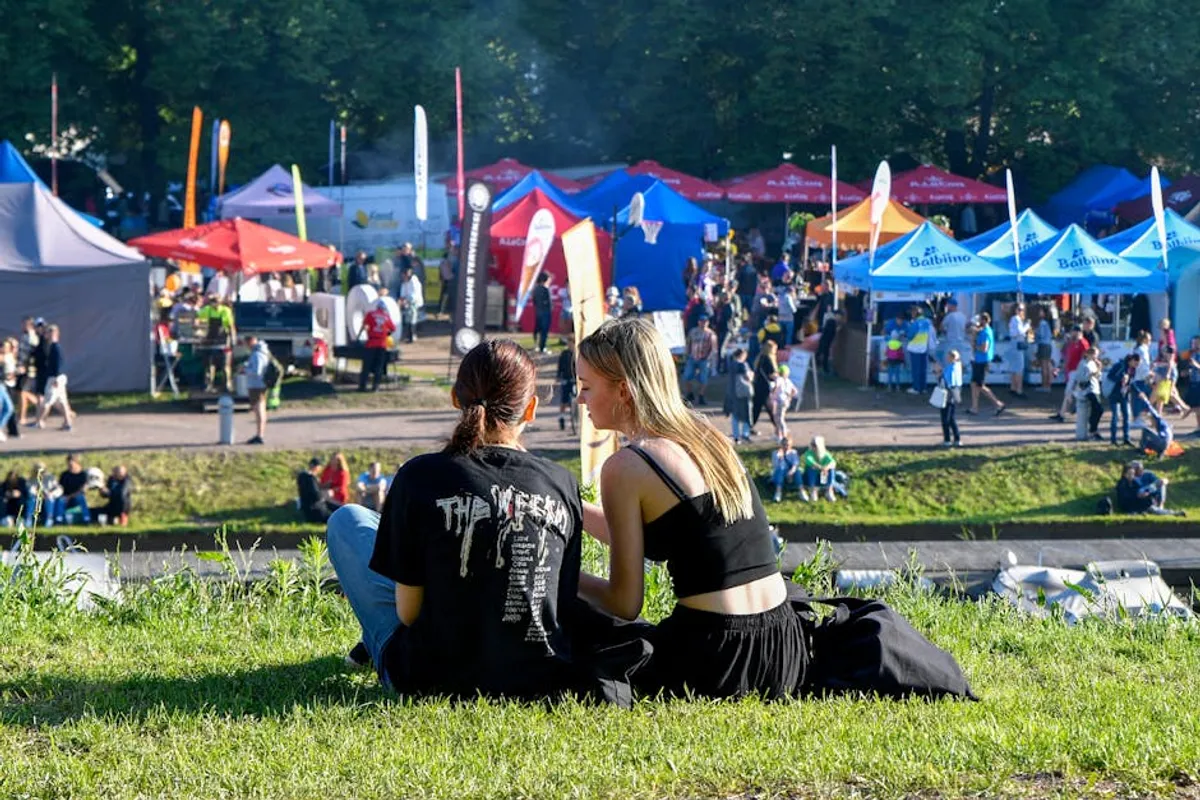
Creating effective festival guides offers a direct path to establishing authority and serving a highly engaged audience. For beginners, the prospect can seem daunting, but a structured approach ensures clarity and utility. This guide outlines the essential steps to develop comprehensive, user-centric festival content that resonates with attendees, from initial research to ongoing maintenance. The goal is to produce a resource that genuinely enhances the festival experience, positioning you as a reliable source of information for enthusiasts.
Understanding Your Audience and Niche
Before compiling any information, define the scope of your guide. A "festival" encompasses a broad spectrum, from multi-day music events to local food fairs or niche cultural celebrations. Your guide's effectiveness hinges on its relevance to a specific type of attendee and festival.
Identifying Festival Types
Begin by categorizing the festivals you intend to cover. This isn't just about genre, but also scale, duration, and target demographic. A guide for a major international music festival requires different logistical details than one for a regional arts festival. Consider:
- Music Festivals: Large-scale, often camping-centric, with multiple stages and extensive artist lineups. Focus on schedules, camping rules, and navigation.
- Food & Drink Festivals: Emphasize vendor lists, tasting notes, special events, and dietary accommodations.
- Arts & Culture Festivals: Highlight performance schedules, exhibition details, artist profiles, and interactive workshops.
- Film Festivals: Include screening times, venue maps, panel discussions, and ticketing specifics.
Selecting a specific festival type or even a single event allows for depth over breadth, which is crucial for a beginner's first guide.
Pinpointing Your Target Attendee
Once the festival type is clear, identify the primary audience. Are you writing for first-time attendees, seasoned veterans, families, budget travelers, or luxury seekers? Each group has distinct needs and pain points. For instance, a first-timer's guide needs detailed instructions on ticket types, entry procedures, and what to pack, whereas a guide for veterans might focus on hidden gems, new features, or advanced navigation strategies. Understanding their concerns directly informs the content you prioritize and the tone you adopt.
Core Components of an Effective Festival Guide
A truly useful festival guide goes beyond basic event details. It anticipates attendee questions and provides actionable solutions. Structure your content around these fundamental informational pillars.
Essential Information Checklist
Every guide should establish a foundation of critical data. Without these, attendees face unnecessary friction or confusion.
- Dates and Times: Full festival duration, daily opening/closing times, and key schedule highlights.
- Location and Directions: Specific venue address, public transport options, parking information, and ride-share drop-off points.
- Ticketing Information: Types of tickets available (GA, VIP, single-day), pricing tiers, where to purchase, and wristband activation procedures.
- Entry Requirements: Age restrictions, ID policies, bag policies (size, prohibited items), and re-entry rules.
- Security and Safety: Emergency contact numbers, medical stations, lost and found, and general safety guidelines.
- Accessibility: Information for attendees with disabilities, including accessible entrances, viewing areas, and restroom facilities.
Practical Logistics and Survival Tips
Beyond the basics, attendees need guidance on navigating the event itself. This section transforms a simple event listing into a comprehensive survival kit.
Example content:
- What to Pack: Weather-appropriate clothing, comfortable footwear, portable chargers, hydration packs, earplugs, sunscreen.
- Food & Drink: Information on allowed outside food/beverages, water refill stations, vendor options, and payment methods.
- Accommodation: On-site camping details (if applicable), nearby hotel recommendations, and transportation to/from off-site lodging.
- Connectivity: Cell service expectations, charging stations, and tips for staying connected.
Curating Experiences and Highlights
A guide should also inspire and direct attendees to the most compelling aspects of the festival. This involves more than just listing artists or vendors; it's about highlighting unique experiences.
Best for: Enhancing attendee enjoyment and providing unique value.
Focus on:
- Must-See Performances/Exhibitions: Not just headliners, but emerging artists or unique installations.
- Interactive Zones: Workshops, art installations, or brand activations.
- Local Attractions: If the festival is in a new city, suggest nearby points of interest for pre- or post-festival exploration.
- Hidden Gems: Lesser-known stages, food vendors, or chill-out areas that enhance the experience.
Content Creation and Structuring Your Guide
Once you know what to include, the next step is to actually write and organize it. Clarity and accuracy are paramount.
Research Methods for Accuracy
Reliable information is the cornerstone of any useful guide. Prioritize official sources and cross-reference data. Consult:
- Official Festival Websites: The primary source for dates, lineups, rules, and ticketing.
- Social Media Channels: Often provides real-time updates, FAQs, and community sentiment.
- Press Releases and Media Kits: For official announcements and high-resolution assets.
- Past Attendee Reviews/Forums: Offers insights into common pain points and practical tips.
Warning: Avoid relying solely on third-party blogs or outdated information. Verify every critical detail against the official festival sources.
Crafting Engaging Copy
Present information clearly and concisely. Use plain language, avoid jargon, and break down complex topics into digestible sections. Employ bullet points, numbered lists, and short paragraphs to improve readability. The tone should be helpful and enthusiastic, guiding the reader without being overly prescriptive.
Visual Elements and Formatting
Visuals enhance understanding and engagement. Integrate maps, artist photos, venue diagrams, and high-quality images of past festival experiences where appropriate. Ensure a consistent design aesthetic that is easy on the eyes. Use clear headings and subheadings to create a logical flow, allowing readers to quickly scan for the information they need.
Distribution and Promotion Strategies
A well-crafted guide needs to reach its intended audience. Consider both digital and, where applicable, offline channels.
Digital Channels
Best for: Broad reach and measurable impact.
- Website/Blog: Publish the guide as a dedicated page or series of posts, optimizing for relevant keywords (e.g., "festival name + guide," "what to pack for festival").
- Social Media: Share snippets, highlights, and direct links to your guide across platforms where your target audience congregates. Use relevant hashtags.
- Email Newsletters: If you have an existing audience, feature the guide prominently in your next send.
- Online Communities: Share in relevant forums, Reddit threads, or Facebook groups, adhering to community guidelines.
Offline Outreach
While primarily digital, some guides can benefit from physical distribution or local partnerships.
Pro Tip: For local festivals, consider partnering with nearby businesses (e.g., hotels, restaurants, local shops) to display QR codes linking to your digital guide, offering a mutually beneficial arrangement.
Maintaining and Updating Your Guide
Festival details change annually, sometimes even mid-event. A guide's value diminishes rapidly if it's outdated. Plan for regular revisions.
Annual Refresh Cycles
Commit to reviewing and updating your guide well in advance of each festival iteration. This includes:
- Lineup Changes: New artists, schedule adjustments.
- Rule Updates: Bag policies, entry requirements, cashless payment systems.
- Venue Modifications: New stages, reconfigured layouts, changed entry points.
- Ticketing Information: New tiers, pricing, or purchasing platforms.
Mark previous versions as archived if necessary to avoid confusion.
Incorporating Feedback
Encourage readers to provide feedback. A simple comment section or contact form can highlight areas where your guide is unclear, missing information, or contains inaccuracies. This iterative process improves the guide's quality over time and builds community trust.
Maximizing Value from Your Festival Guide
A festival guide can serve multiple purposes beyond just informing attendees. Consider how it can support your broader content goals.
Pro Tip: Integrate affiliate links for relevant products (e.g., camping gear, portable chargers, specific fashion items) where genuinely helpful to the reader. Ensure transparency by disclosing these affiliations. This can transform a useful resource into a revenue-generating asset, provided the recommendations align with attendee needs and maintain editorial integrity.
Actionable Steps for Your First Guide
To start your first festival guide, select one specific festival you are passionate about or have attended. Outline the key sections based on the "Core Components" above. Dedicate time to verifying every piece of information against official sources. Prioritize clarity and user experience in your writing and formatting. Launch your guide, then actively seek feedback for future improvements. This iterative process builds expertise and refines your approach to creating truly valuable resources.
Frequently Asked Questions
How long should a beginner's festival guide be?
Focus on comprehensiveness rather than a specific word count. A guide should be as long as it needs to be to cover all essential information clearly, typically ranging from 1,500 to 3,000 words depending on the festival's complexity.
What's the most common mistake beginners make when creating a festival guide?
The most common mistake is relying on outdated information or failing to verify details with official festival sources. This leads to inaccurate advice, which erodes trust and diminishes the guide's utility.
Should I include my personal opinions in a festival guide?
While a helpful tone is good, keep personal opinions to a minimum in the core informational sections. For curated experiences or "hidden gems," a light, enthusiastic recommendation is acceptable, but always distinguish it from factual information.
How often should I update my festival guide?
Ideally, a festival guide should be reviewed and updated annually as soon as new information for the upcoming event becomes available. Critical details like dates, lineups, and rules often change year-to-year.


Write the first note
Thoughtful disagreement welcomed. Promotional links quietly trimmed.