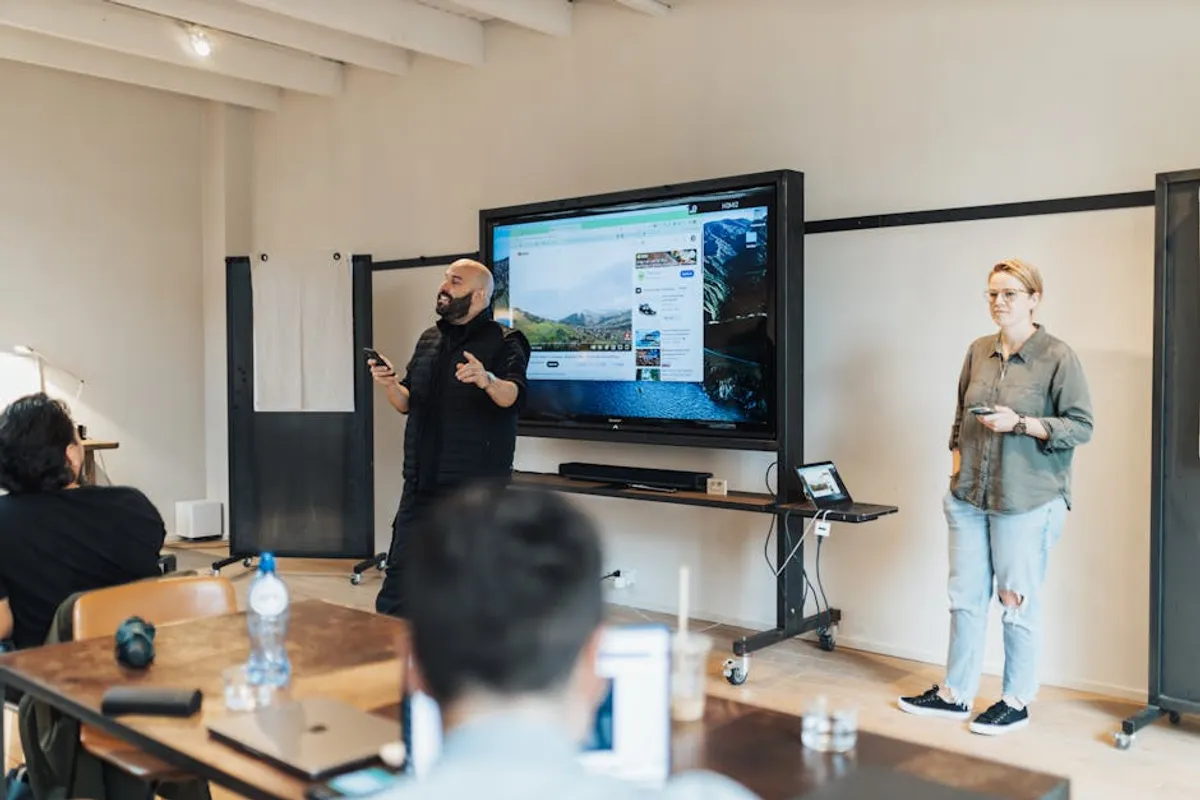
Effective event photography extends beyond technical camera skills; it hinges on meticulous planning that aligns visual outcomes with commercial objectives. For marketing professionals, agencies, and site owners, understanding this planning process is crucial for commissioning, managing, and leveraging photographic assets that genuinely support brand narratives, content strategies, and audience engagement. A structured approach ensures not only high-quality imagery but also a seamless workflow that minimizes risks and maximizes return on investment from visual content.
Defining Project Scope and Client Expectations
The foundation of any successful event photography project is a clear understanding of the client's vision and the event's purpose. This initial phase involves detailed discussions to establish deliverables and operational parameters.
Initial Client Consultation: Uncovering Core Needs
Begin by conducting a comprehensive interview with the client. This is not merely about listing desired shots but about understanding the event's strategic goals. Key questions should cover:
- Event Objective: Is the event for lead generation, brand awareness, internal team building, or product launch? This dictates the photographic style and focus.
- Target Audience: Who will see these photos? (e.g., B2B clients, consumers, employees) This influences composition and subject selection.
- Key Moments: Identify non-negotiable shots, such as keynote speakers, award ceremonies, specific product interactions, or VIP arrivals.
- Usage Rights and Licensing: Clarify how and where the images will be used (e.g., website, social media, print ads, internal communications) to set appropriate licensing terms.
- Brand Guidelines: Understand any specific aesthetic, color palettes, or imagery styles that must be maintained.
Document these discussions thoroughly, creating a detailed shot list and brief that serves as a contractual reference point. This proactive step prevents scope creep and ensures alignment between client expectations and photographic output.
Venue Reconnaissance: Assessing the Environment
A physical or virtual visit to the event venue is non-negotiable. This pre-event assessment informs equipment choices and logistical planning. Focus on:
- Lighting Conditions: Evaluate natural light sources, existing artificial lighting, and potential challenges (e.g., dark corners, harsh spotlights). This dictates whether additional lighting equipment is necessary.
- Space and Flow: Understand attendee movement patterns, potential choke points, and optimal vantage points for key moments. Identify areas for candid shots versus staged interactions.
- Power Access: Locate available power outlets for charging equipment or setting up auxiliary lighting.
- Backgrounds and Branding: Note branded backdrops, signage, and aesthetically pleasing areas. Identify potential distractions that should be avoided.
- Access and Restrictions: Confirm access times, restricted areas, and any rules regarding flash photography or specific camera equipment.
This reconnaissance allows for pre-visualization of shots and preemptive problem-solving, contributing directly to a smoother event day and higher quality deliverables.
Logistics and Technical Preparation
Once the creative brief is established and the venue assessed, the focus shifts to practical execution, ensuring all technical and logistical elements are in place.
Equipment Checklist and Backup Protocols
A comprehensive equipment list minimizes forgotten items and ensures readiness for contingencies. Beyond primary cameras and lenses, consider:
- Multiple Camera Bodies: Essential for redundancy and to avoid lens changes during critical moments.
- Diverse Lenses: Wide-angle for establishing shots, telephoto for distant subjects, and fast primes for low-light conditions.
- Lighting Solutions: External flashes, LED panels, and modifiers (softboxes, diffusers) to control light.
- Power Management: Ample charged batteries for all equipment, portable power banks, and charging cables.
- Memory Cards: High-capacity, high-speed cards with backups.
- Support Gear: Tripods, monopods, camera straps, and cleaning kits.
- Safety Gear: Gaffer tape for securing cables, small first-aid kit.
Crucially, every critical piece of equipment should have a backup or a viable alternative. A camera malfunction or dropped lens should not halt coverage.
Pro Tip: Always format memory cards in-camera immediately before an event, rather than relying on previous formatting. This minimizes the risk of file corruption and ensures optimal card performance for sequential shooting.
Developing a Detailed Event Timeline
Create a minute-by-minute or hour-by-hour schedule that integrates photography tasks with the event's agenda. This timeline should include:
- Arrival and Setup: Allow ample time for travel, parking, equipment unloading, and setting up.
- Key Event Segments: Mark specific times for speeches, performances, networking sessions, and photo opportunities.
- Breaks and Transitions: Plan for equipment checks, battery swaps, and repositioning during natural lulls.
- Team Coordination: If working with multiple photographers, assign specific areas or shot lists to each, preventing redundancy and ensuring comprehensive coverage.
Share this timeline with the client and event organizers to ensure everyone is aware of the photographic plan and can facilitate access or schedule adjustments as needed.
Execution and Adaptability During the Event
Even with thorough planning, events are dynamic. The ability to execute the plan while remaining adaptable is key to capturing unforeseen opportunities and managing challenges.
Maintaining Communication and Professionalism
On-site, maintain clear communication with the client, event staff, and your photography team. Confirm key moments, anticipate changes, and address any immediate concerns. Professional demeanor, punctuality, and discretion are paramount, especially in sensitive or high-profile environments. Blend into the background where appropriate, but be assertive when positioning for critical shots.
Capturing the Narrative: Beyond the Shot List
While the shot list provides a framework, effective event photography also captures the atmosphere and candid interactions that define the event's unique story. This includes:
- Candid Moments: Documenting genuine reactions, conversations, and attendee engagement.
- Environmental Shots: Capturing the venue, decor, and overall scale to provide context.
- Detail Shots: Focusing on branding elements, catering, decorations, and unique features that add texture to the story.
- Emotional Content: Seeking out expressions of joy, concentration, excitement, or contemplation.
Continuously review images on your camera's LCD to ensure proper exposure, focus, and composition, making adjustments as needed. This real-time feedback loop is crucial for maintaining quality throughout the event.
Post-Event Workflow and Delivery
The event itself is only one part of the project. Efficient post-production and timely delivery are critical for client satisfaction and commercial utility.
Image Culling and Editing Process
Immediately after the event, back up all images to multiple secure locations (e.g., external hard drive, cloud storage). The culling process involves:
- Initial Selection: Rapidly going through all images to delete technically flawed shots (out of focus, poor exposure, duplicates).
- Curated Selection: Choosing the best images that meet the client's brief and tell the event's story. Prioritize variety in subject, composition, and mood.
- Post-Processing: Applying necessary adjustments for exposure, white balance, color correction, cropping, and minor retouching. Maintain a consistent aesthetic that aligns with the client's brand guidelines.
Establish a clear editing timeline with the client upfront, especially if a rapid turnaround for press releases or social media is required.
Final Delivery and Archiving
Deliver images in the agreed-upon formats and resolutions (e.g., high-resolution JPEGs for print, web-optimized JPEGs for online use, TIFFs for specific applications). Utilize secure online galleries or file transfer services. Provide clear instructions on how to download and use the images. Finally, archive all raw files and final edited images securely. This protects your work and allows for future client requests or re-use.
Ensuring Project Success
Thorough planning for event photography is an investment in the commercial value of visual content. It transforms a series of snapshots into a cohesive visual narrative that serves specific marketing, branding, or archival purposes. By systematically addressing client needs, logistical challenges, and technical requirements, photographers and their clients can minimize risks, maximize the quality of deliverables, and secure impactful imagery that resonates with target audiences. This structured approach underpins not just a successful event, but also a valuable, long-term asset for any organization.
Frequently Asked Questions
How far in advance should I book an event photographer?
For major events, booking 3-6 months in advance is advisable, especially during peak seasons. For smaller corporate gatherings, 1-2 months may suffice. This allows ample time for planning, venue reconnaissance, and contract finalization.
What are typical usage rights for event photos?
Usage rights vary by contract. Generally, clients receive a license for specific uses (e.g., website, social media, marketing materials). Exclusive rights or broad commercial usage typically incur higher fees. Always clarify these terms in the initial agreement.
How many final edited photos should I expect from an event?
The number of deliverables depends on the event's duration, complexity, and the agreed-upon package. A general guideline might be 50-100 high-quality edited images per hour of coverage, but this should be explicitly defined in the contract to manage expectations.
What is the typical turnaround time for event photos?
Turnaround times range from 1-2 days for a small selection of "highlights" to 2-4 weeks for the full gallery, depending on the volume of images and post-production requirements. Expedited delivery can often be arranged for an additional fee.

Write the first note
Thoughtful disagreement welcomed. Promotional links quietly trimmed.