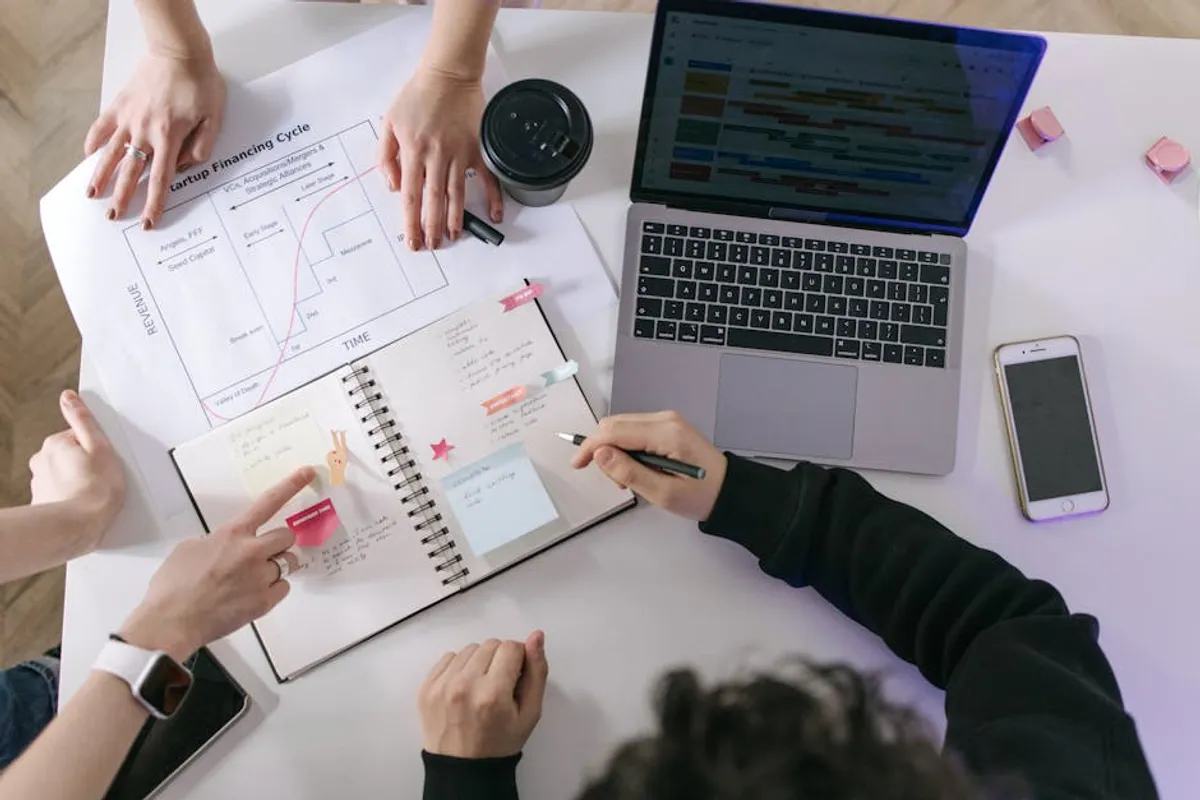
Planning holiday events, whether for internal teams, clients, or the general public, demands a structured approach to ensure both commercial objectives and attendee experience are met. The seasonal nature introduces unique challenges, from securing venues during peak demand to crafting messaging that resonates amidst increased promotional noise. This guide outlines a methodical, step-by-step process for organizing holiday events that deliver tangible value and memorable experiences. This guide outlines a methodical step by step process for organizing holiday events that deliver tangible value and memorable experiences, offering a complete beginner guide to get you started.
Defining Your Event's Purpose and Audience
Clarifying Objectives
Before any logistical planning begins, articulate the core purpose of your holiday event. Is it designed to foster team cohesion, generate leads, reward clients, launch a new product, or drive seasonal sales? Clear objectives dictate every subsequent decision, from budget allocation to marketing channels. For example, a client appreciation event might prioritize an exclusive experience and networking opportunities, while a public-facing promotional event would focus on broad reach and conversion metrics. Define measurable key performance indicators (KPIs) upfront, such as attendance targets, lead generation quotas, or specific sales uplift percentages, to quantify success.
Identifying Your Target Attendees
Understanding who your event is for is fundamental. Develop detailed attendee personas that go beyond basic demographics. Consider their professional roles, interests, pain points, and preferred communication styles. For an internal staff party, understanding team dynamics and departmental preferences can inform activity choices. For a B2B client event, knowing their industry challenges and decision-making processes will shape content and networking opportunities. This audience-centric approach ensures the event's value proposition aligns directly with their expectations, maximizing engagement and satisfaction.
Budgeting and Resource Allocation
Establishing a Realistic Budget
A comprehensive budget is the backbone of any successful event. Start by itemizing all potential expenditures: venue rental, catering, entertainment, décor, marketing, staffing, technology, permits, and contingency funds (typically 10-15% of the total budget). Obtain multiple quotes for major items to ensure competitive pricing. Track expenses meticulously against the budget throughout the planning process to avoid overruns. For revenue-generating events, project anticipated income from ticket sales, sponsorships, or product sales to determine profitability. A detailed budget provides financial control and allows for informed decisions when trade-offs become necessary.
Securing Venues and Vendors
Holiday season demand means early booking is critical for desirable venues and high-quality vendors. Research locations that align with your event's size, theme, and accessibility requirements. Consider factors like capacity, available amenities (AV equipment, Wi-Fi), parking, and proximity to public transport. When selecting vendors—caterers, entertainers, photographers, AV technicians—evaluate their experience with similar events, review references, and clarify all service agreements in writing. Ensure contracts detail deliverables, timelines, payment schedules, and cancellation policies. A well-vetted vendor team contributes significantly to a smooth event execution.
Crafting the Event Experience
Developing a Theme and Concept
A cohesive theme elevates a holiday event from a gathering to an immersive experience. The theme should align with your objectives and audience. For instance, a "Winter Wonderland Gala" might suit a formal client appreciation, while a "Festive Tech Showcase" could work for a product launch. The theme informs décor, catering, entertainment, and even dress code suggestions. Consistency across all elements reinforces the brand message and creates a memorable atmosphere. Brainstorm unique concepts that differentiate your event from competitors or other seasonal offerings.
Planning Activities and Entertainment
Engagement is key to a successful event. Design a program flow that balances structured activities with opportunities for informal networking.
- Interactive Stations: Photo booths, craft workshops, or product demonstrations encourage participation.
- Scheduled Performances: Live music, speakers, or theatrical acts provide focal points.
- Networking Facilitation: Consider icebreakers or designated networking zones.
- Gamification: Quizzes, raffles, or contests can boost energy and engagement.
Ensure entertainment aligns with your audience's preferences and the event's overall tone. For corporate events, avoid overly casual or controversial entertainment choices. For family-friendly events, include options for various age groups.
Culinary and Beverage Considerations
Food and drink are central to many holiday events. Plan a menu that caters to diverse dietary needs and preferences, offering vegetarian, vegan, and gluten-free options. Consider the event format: a seated dinner requires different planning than a cocktail reception with passed appetizers. Source high-quality ingredients and work with caterers who can execute the menu flawlessly. Beverage selections should include non-alcoholic options beyond water, and if serving alcohol, ensure responsible service practices are in place. Presentation matters; visually appealing food enhances the overall experience.
Pro Tip: Always conduct a dry run or walk-through of the venue with key team members and vendors a few days before the event. This allows you to visualize the flow, identify potential bottlenecks, and confirm all technical setups, minimizing day-of surprises.
Marketing and Promotion Strategies
Building a Communication Plan
A robust communication plan ensures your target audience knows about your event and is motivated to attend. Develop a timeline for announcements, invitations, reminders, and follow-up communications. Craft compelling messaging that highlights the event's unique value proposition and benefits for attendees. Personalize invitations where appropriate, especially for VIP guests or loyal clients. Use a consistent visual identity across all communications to reinforce brand recognition.
Leveraging Digital and Traditional Channels
Employ a multi-channel approach to reach your audience effectively.
- Email Marketing: Segment lists for targeted invitations and updates.
- Social Media: Create event pages, use relevant hashtags, and run targeted ads.
- Website/Landing Page: Establish a dedicated page for event details, registration, and FAQs.
- Public Relations: Issue press releases for events with broader appeal.
- Partnerships: Collaborate with complementary businesses for cross-promotion.
- Traditional Media: Consider local print or radio for community-focused events.
Monitor registration numbers and engagement metrics to adjust your promotional efforts in real-time, focusing resources on channels that yield the best results.
Logistics and On-Site Management
Staffing and Volunteer Coordination
Adequate staffing is crucial for smooth event execution. Determine the number of staff or volunteers needed for registration, guest assistance, technical support, security, and clean-up. Assign clear roles and responsibilities to each team member. Conduct thorough training sessions covering event procedures, emergency protocols, and customer service standards. Provide staff with communication tools (e.g., two-way radios) to ensure efficient coordination throughout the event.
Day-Of Execution and Contingency Planning
The day of the event requires meticulous oversight. Arrive early to supervise setup, conduct final checks with vendors, and brief staff. Designate a central command post for problem-solving. Have contingency plans for common issues: inclement weather, technical malfunctions, unexpected attendance fluctuations, or vendor no-shows. A well-prepared team can address challenges quickly and discreetly, maintaining a positive experience for attendees. Post-event, oversee teardown and ensure the venue is left in agreed-upon condition.
Post-Event Analysis and Follow-Up
Gathering Feedback
Immediately after the event, collect feedback from attendees, staff, and vendors. Use surveys (digital or paper), informal conversations, and social media monitoring to gauge satisfaction and identify areas for improvement. Ask specific questions about venue, catering, entertainment, and overall value. Constructive criticism is invaluable for refining future event strategies.
Measuring ROI and Impact
Revisit your initial objectives and KPIs to assess the event's success. Did you meet attendance targets? How many leads were generated? What was the sales uplift? Calculate the return on investment (ROI) by comparing event costs against the financial and non-financial benefits achieved. Analyze social media reach, media mentions, and website traffic spikes. Document lessons learned, both successes and challenges, to build an internal knowledge base for future event planning.
Practical Event Planning Considerations
Successful holiday event planning hinges on proactive management and attention to detail. Begin planning well in advance, ideally 6-12 months for larger events, to secure preferred dates, venues, and vendors. Maintain open lines of communication with all stakeholders—clients, team members, and suppliers—to ensure everyone is aligned. Leverage project management tools to track tasks, deadlines, and responsibilities. Focus on creating an experience that resonates with your specific audience, delivering value that extends beyond the event itself. By systematically addressing each phase, from conceptualization to post-event review, you can orchestrate holiday events that achieve their strategic goals and leave a lasting positive impression.
Frequently Asked Questions About Holiday Event Planning
What is the ideal timeline for planning a holiday event?
For large-scale or corporate holiday events, begin planning 6 to 12 months in advance to secure prime venues, popular dates, and preferred vendors. Smaller, internal events may require 2-4 months of lead time, but early booking is always advantageous during the busy holiday season.
How can I make my holiday event stand out from others?
Focus on a unique theme, incorporate interactive elements, offer personalized touches, and provide exceptional catering. Consider unexpected entertainment or a compelling speaker. Tailoring the experience directly to your specific audience's interests will also differentiate your event.
What are the most common budget pitfalls in holiday event planning?
Common pitfalls include underestimating catering costs, neglecting contingency funds, overlooking hidden venue fees (e.g., service charges, AV rentals), and not accounting for marketing expenses. Obtain detailed quotes and review contracts carefully to avoid unexpected costs.
How do I measure the success of a holiday event?
Measure success against your predefined objectives and KPIs. This can include attendance rates, attendee satisfaction (via surveys), lead generation, social media engagement, media mentions, and ultimately, the event's return on investment (ROI) if it had commercial goals.

Write the first note
Thoughtful disagreement welcomed. Promotional links quietly trimmed.