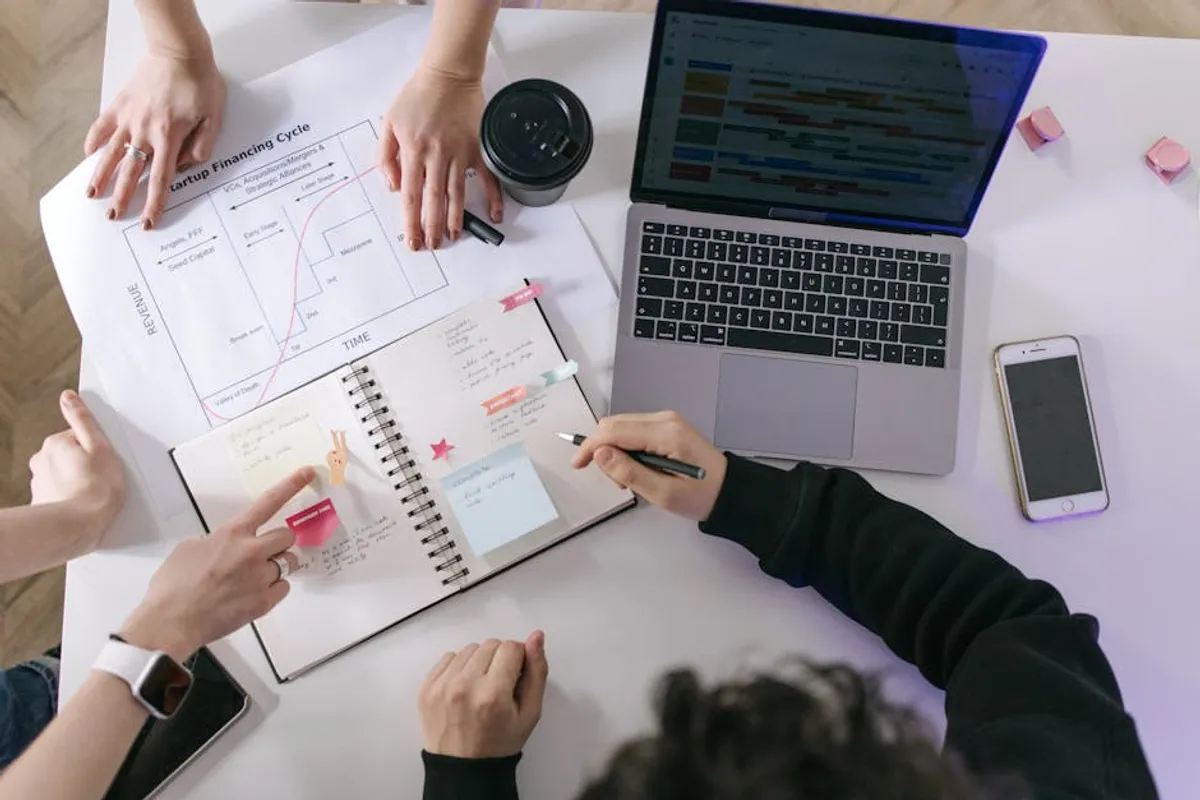
Effective social media event promotion moves beyond simply posting an announcement. It requires a structured, strategic approach to ensure your message reaches the right audience, generates genuine interest, and translates into registrations or attendance. Without a clear plan, even a compelling event can get lost in the digital noise, wasting marketing resources and failing to meet its potential. This step-by-step guide outlines a systematic process for planning and executing social media promotions that deliver measurable results for your events.
Establish Clear Objectives and Key Performance Indicators (KPIs)
Before any content creation or platform selection, define what success looks like for your event promotion. Generic goals like "get more attendees" are insufficient. Instead, establish specific, measurable, achievable, relevant, and time-bound (SMART) objectives. For instance, aiming for "250 ticket sales for the Q3 industry conference by August 15th" provides a concrete target.
Accompany these objectives with clear Key Performance Indicators (KPIs) that directly track progress. These might include:
- Registration/Ticket Sales: The ultimate conversion metric. Track total sales, conversion rates from specific links, and average order value.
- Reach/Impressions: Measures the total number of unique users who saw your content and the total number of times your content was displayed. Useful for understanding brand exposure.
- Engagement Rate: Calculates interactions (likes, comments, shares, clicks) relative to reach. High engagement indicates content resonance and audience interest.
- Website Traffic: Monitor traffic to your event landing page, specifically tracking referral sources from social media to attribute conversions accurately.
- Lead Generation: If your event involves capturing leads (e.g., for future sales), track form submissions or content downloads driven by social promotions.
Best for: Quantifying campaign success and justifying marketing spend.
Segment Your Audience and Select Optimal Platforms
Understanding who you want to reach dictates where and how you communicate. Develop detailed audience personas for your event. Consider demographics (age, location, industry), psychographics (interests, pain points, motivations), and online behavior (which platforms they frequent, what content they engage with). This segmentation is critical for tailoring both your message and your platform choices.
Platform selection should be data-driven, not based on assumptions. Research where your target audience spends most of their time and what type of content they prefer on each network. For example:
- LinkedIn: Ideal for B2B events, professional development workshops, and industry conferences. Content should be informative, thought-provoking, and career-focused.
- Facebook/Instagram: Strong for B2C events, local community gatherings, lifestyle festivals, and visually driven experiences. Leverage stories, reels, and high-quality imagery.
- X (formerly Twitter): Effective for real-time updates, breaking news, live Q&A sessions, and engaging with industry influencers. Use relevant hashtags and concise messaging.
- TikTok: Suited for events targeting younger demographics, creative showcases, or those with a strong visual, short-form video component. Authenticity and trends are key.
Avoid the trap of trying to be everywhere at once. Focus your efforts on the platforms where your primary audience is most active and where your event content can resonate most effectively.
Develop a Phased Content Strategy
Your social media promotion should unfold in distinct phases, each with specific content goals. A single announcement post is never enough. Plan a narrative arc that builds anticipation, provides necessary information, and creates urgency.
Pre-Event Phase: Building Anticipation and Awareness
This phase focuses on generating initial buzz. Content should introduce the event, highlight key speakers or attractions, and encourage early registrations. Examples include:
- "Save the Date" graphics and short video teasers.
- Speaker spotlights with quotes or brief interviews.
- Early bird registration announcements with clear calls to action (CTAs).
- Behind-the-scenes glimpses of planning or venue setup.
- Polls or questions related to event topics to spark engagement.
During-Event Phase: Live Engagement and FOMO
Once the event begins, shift to real-time content that showcases the experience and encourages participation from both attendees and remote followers. This generates "fear of missing out" (FOMO) for those not present and provides value to attendees.
Pro Tip: Designate a dedicated social media team member to capture and post live content during the event. This ensures consistent, high-quality updates and immediate engagement with questions or comments. Pre-schedule some evergreen content, but prioritize real-time interactions.
Content types include:
- Live streams of keynotes or sessions.
- Attendee testimonials and quotes.
- Photos and videos of activities, networking, and key moments.
- Interactive Q&A sessions with speakers.
- Event-specific hashtags to track and amplify user-generated content.
Post-Event Phase: Sustaining Momentum and Future Planning
The promotion doesn't end when the event does. This phase focuses on thanking participants, sharing highlights, and preparing for future events. Content should reinforce the event's value and keep the community engaged.
Consider:
- "Thank You" messages to attendees, speakers, and sponsors.
- Recap videos, photo albums, and key takeaways.
- Links to session recordings or presentation slides.
- Surveys for feedback and testimonials.
- Announcements for next year's event or related future initiatives.
Allocate Resources and Set a Promotion Timeline
Effective social media promotion requires both time and budget. Map out a detailed timeline that aligns with your event date, working backward from key milestones like early bird deadlines and registration cutoffs. A typical promotion cycle can range from 4-12 weeks, depending on the event's scale and target audience.
Budgeting: Allocate funds for:
- Paid Social Advertising: Essential for reaching beyond your organic audience. Budget for platform-specific ad campaigns, A/B testing different creatives, and retargeting ads.
- Content Creation: Professional photography, video production, graphic design, and copywriting.
- Influencer Partnerships: If applicable, budget for collaborations with relevant micro- or macro-influencers.
- Social Media Management Tools: Scheduling, analytics, and listening tools can streamline efforts.
Ensure your timeline includes specific dates for content creation, scheduling, ad campaign launches, and monitoring periods. This structured approach prevents last-minute rushes and ensures consistent messaging.
Implement and Monitor Your Campaign
With your plan in place, execute your content schedule and launch your paid campaigns. However, planning is only half the battle; continuous monitoring is critical. Regularly check your social media channels for comments, messages, and mentions. Respond promptly and professionally to inquiries, feedback, and engagement.
Actively track the KPIs you defined earlier. Most social media platforms offer native analytics dashboards that provide insights into reach, engagement, and clicks. For more comprehensive tracking, integrate with your website analytics to see how social media traffic converts to registrations or sales. Be prepared to make real-time adjustments. If an ad creative isn't performing, pause it and test a new one. If a particular type of content is driving high engagement, create more of it.
Best for: Identifying what works and what doesn't in real-time.
Analyze Results and Refine Future Promotions
Once your event concludes, conduct a thorough post-mortem analysis of your social media promotion efforts. Compare your actual KPIs against your initial objectives. Did you hit your registration targets? Which platforms delivered the highest ROI? What content types performed best?
Generate a comprehensive report detailing:
- Overall performance against objectives.
- Breakdown of performance by platform and content type.
- Return on ad spend (ROAS) for paid campaigns.
- Key learnings and unexpected outcomes.
- Recommendations for future event promotions.
This analysis isn't just about accountability; it's about continuous improvement. Use these insights to refine your audience targeting, content strategy, platform choices, and budgeting for your next event. Each promotion provides valuable data that can make the subsequent one more efficient and effective.
Building a Repeatable Event Promotion Framework
Planning social media event promotion is an iterative process. By systematically defining objectives, understanding your audience, crafting phased content, allocating resources, and rigorously analyzing results, you build a robust framework. This structured approach moves you beyond ad-hoc posting to strategic campaigns that consistently drive attendance and engagement, transforming your social media channels into powerful tools for event success.
Frequently Asked Questions
How far in advance should I start promoting an event on social media?
For most significant events, a promotion timeline of 6-12 weeks is effective. This allows sufficient time to build anticipation, release early bird offers, and disseminate key information without overwhelming your audience too early. Smaller, more localized events might require 3-4 weeks.
What's the most important metric to track for event promotion?
The most important metric is conversion, typically registrations or ticket sales. While reach and engagement are valuable indicators of awareness and interest, ultimately, the success of an event promotion campaign is measured by how many people sign up or attend.
Should I use paid social media advertising for every event?
Yes, paid social media advertising is almost always recommended. Organic reach alone is insufficient for most events due to algorithm changes and high competition. Paid ads allow for precise audience targeting, increased visibility, and the ability to scale your promotion to reach specific conversion goals.
How do I encourage attendees to share event content?
Encourage sharing by creating highly shareable content (e.g., visually appealing graphics, compelling video teasers, quotable speaker insights), providing an event-specific hashtag, running contests for sharing, and directly asking attendees to post their experiences during the event.
Write the first note
Thoughtful disagreement welcomed. Promotional links quietly trimmed.