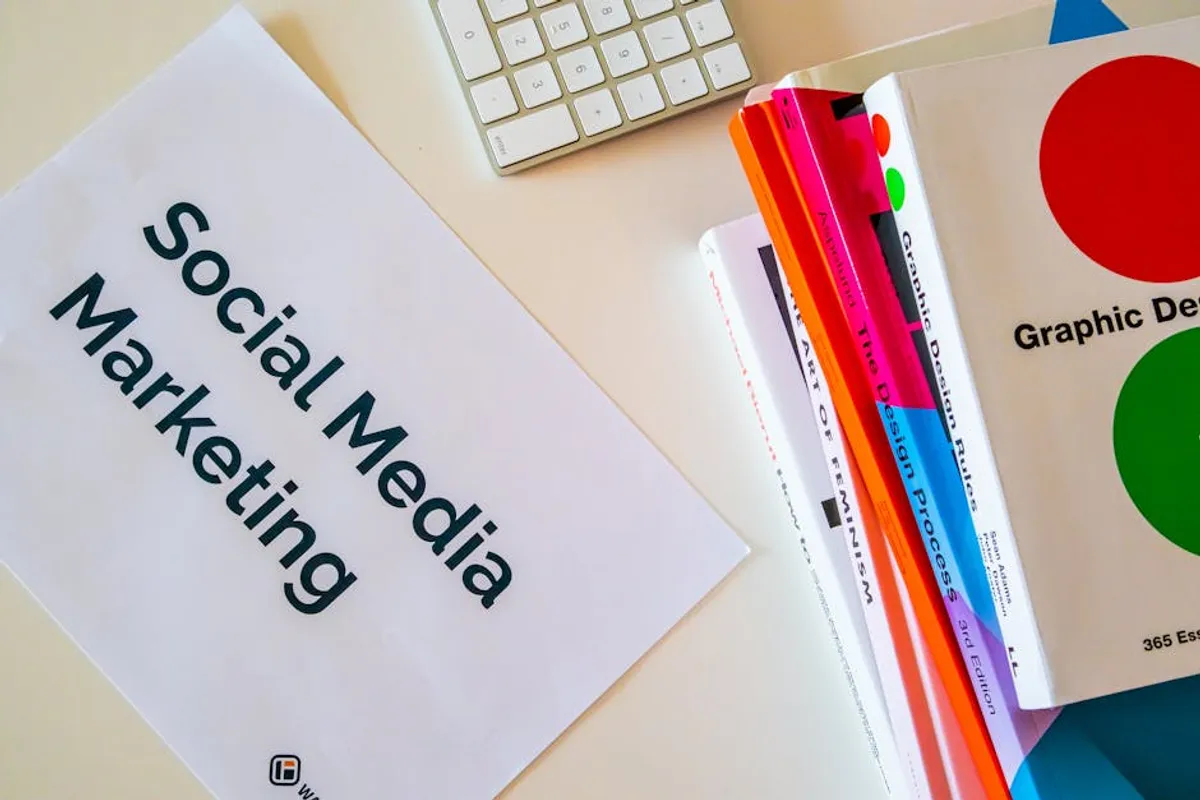
Promoting an event effectively often conjures images of significant advertising budgets and expansive media buys. However, for organizations operating with limited financial resources, social media offers a potent, often underutilized channel to generate awareness, drive registrations, and build anticipation without substantial direct ad spend. The challenge lies in identifying which strategies yield the highest return on effort and engagement, rather than simply broadcasting messages into the void. This guide focuses on actionable, cost-conscious social media promotion ideas designed to maximize your reach and impact for any event, from local workshops to online conferences, by leveraging organic tactics and strategic content distribution.
What to Prioritize When Promoting Events on a Small Budget
When financial constraints dictate your promotional approach, strategic choices become paramount. Focus on methods that emphasize organic reach, audience engagement, and resourcefulness over direct monetary investment. Consider the following:
- Audience Relevance: Ensure your chosen platforms and content formats align directly with where your target audience spends their time online. A highly engaged niche audience on one platform is more valuable than broad, disengaged reach across many.
- Content Value: Prioritize creating content that provides tangible value to your audience, compelling them to share it. This could be exclusive sneak peeks, behind-the-scenes glimpses, expert insights, or interactive elements. Valued content gets shared organically, extending your reach without ad spend.
- Engagement Potential: Opt for strategies that encourage two-way communication and community building. Comments, shares, direct messages, and polls not only boost visibility through platform algorithms but also foster a sense of connection and commitment to your event.
- Resource Utilization: Assess your existing assets. Do you have a strong email list? Engaged community partners? Volunteers willing to share? Leverage these networks first. Also, consider repurposing existing content (e.g., past event photos, speaker bios) to save on content creation costs.
- Measurable Outcomes: Even with a small budget, track what works. Focus on metrics like reach, engagement rate, click-throughs to registration pages, and direct conversions from social channels. This data informs future, more effective low-cost strategies.
1. Leverage Existing Online Communities and Groups
Directly engaging with established online communities, such as Facebook Groups, LinkedIn Groups, or niche forums, offers a potent way to reach highly relevant audiences without ad spend. The key is to provide genuine value and adhere to group rules, rather than simply spamming promotional links. Identify groups where your event's topic is a natural fit and where members actively seek information or connections related to what your event offers. Participate in discussions, answer questions, and then, when appropriate and permitted, introduce your event as a valuable resource or opportunity for group members. This approach builds trust and positions your event as a solution to a community need.
Best for: Niche events, educational workshops, professional development seminars, or any event targeting a specific interest group. It excels when your event directly addresses a pain point or interest within a community.
Pros:
- Zero direct advertising cost, relying entirely on organic reach.
- Access to highly targeted and pre-qualified audiences who are already interested in your event's subject matter.
- Builds credibility and trust through community participation before promotion.
- Can generate high-quality leads and registrations due to audience relevance.
Cons:
- Requires significant time investment to identify relevant groups and build genuine rapport.
- Risk of being perceived as spam if not handled carefully and respectfully of group rules.
- Reach is limited by the size and activity of the chosen communities.
- Success is dependent on the willingness of group administrators to allow promotional content.
Verdict: An indispensable strategy for small budgets, provided you commit to authentic engagement. Its cost-effectiveness and targeting precision make it a high-ROI activity for niche events.
2. Run a Social Media Contest or Giveaway
Contests and giveaways incentivize sharing and engagement, dramatically expanding your event's organic reach. Offer event tickets, exclusive merchandise, or a valuable experience related to your event as the prize. Require participants to perform actions like liking your post, tagging friends, sharing to their stories, or following your page to enter. This creates a viral loop, as each participant's action exposes your event to their network. Ensure the prize is genuinely appealing to your target audience to maximize participation and attract relevant attendees.
Best for: Events with broad appeal, product launches, or any event that can offer a desirable, low-cost prize. Particularly effective for generating buzz and increasing follower counts.
Pros:
- Significantly boosts organic reach through user-generated shares and tags.
- Increases follower count and engagement metrics (likes, comments).
- Generates excitement and buzz around the event.
- Relatively low cost if the prize is an event ticket or existing merchandise.
Cons:
- Requires careful planning to ensure compliance with platform rules and contest legality.
- Risk of attracting participants solely interested in the prize, not the event, leading to lower quality leads.
- Can be resource-intensive to manage entries and select winners.
- The prize must be compelling enough to drive participation.
Verdict: A powerful tool for rapid audience growth and engagement, but success hinges on a well-chosen prize and clear execution to attract genuine interest in the event itself.
3. Create Shareable Visual Content
Visual content, such as infographics, short video clips, animated GIFs, or striking event photography, consistently outperforms text-only posts in terms of engagement and shareability. For small budgets, focus on creating compelling visuals using free or low-cost tools (e.g., Canva, CapCut). Design eye-catching countdown graphics, speaker highlights, agenda sneak peeks, or behind-the-scenes glimpses. The goal is to produce content so visually appealing and informative that your audience feels compelled to share it with their networks, extending your reach organically. Leveraging striking event photography is a key component of this visual strategy, so consider how to capture compelling images even with a basic setup.
Best for: All event types, especially those with visually appealing aspects (e.g., unique venues, dynamic speakers, creative themes). Essential for platforms like Instagram, Pinterest, and TikTok.
Pros:
- Higher engagement rates (likes, shares, comments) compared to text-only posts.
- Increases organic reach as visual content is more likely to be shared.
- Conveys complex information quickly and memorably.
- Can be created with minimal direct cost using accessible design tools.
Cons:
- Requires design skills or time investment to learn new tools.
- Poorly designed visuals can detract from your event's professionalism.
- Needs to be consistently high quality to maintain audience interest.
- Not all event information translates easily into a compelling visual format.
Verdict: A foundational strategy for social media promotion. High-quality, shareable visuals are a cost-effective way to capture attention and drive organic dissemination.
4. Utilize Event-Specific Hashtags
A well-chosen, unique, and memorable event hashtag is crucial for discoverability and consolidating conversations. It acts as a digital signpost, allowing attendees and interested parties to follow updates, share their experiences, and connect with others. Promote your hashtag consistently across all social media channels, on your event website, and in all communications. Encourage speakers, partners, and attendees to use it. Monitor the hashtag to engage with users, answer questions, and amplify user-generated content, further extending your event's reach.
Best for: All event types. Particularly effective for large conferences, festivals, or any event aiming to foster community and user-generated content.
Pros:
- Zero direct cost; only requires strategic planning and consistent promotion.
- Increases discoverability for those searching for relevant events or topics.
- Consolidates all event-related social media conversations in one place.
- Facilitates user-generated content and organic promotion by attendees.
Cons:
- Requires consistent effort to promote and encourage adoption.
- If not unique, conversations can be diluted with unrelated content.
- Effectiveness is dependent on audience adoption and active use.
- Can be challenging to choose a hashtag that is both unique and memorable.
Verdict: A fundamental, low-cost tactic that significantly enhances event visibility and community building. Its success relies on consistent promotion and user buy-in.
5. Go Live on Social Media
Live video on platforms like Facebook Live, Instagram Live, or YouTube Live offers an unscripted, authentic way to connect with your audience in real-time. Use live sessions for Q&A with speakers, behind-the-scenes tours of the venue, sneak peeks of event preparations, or even mini-sessions related to your event's theme. Live broadcasts often receive preferential treatment in platform algorithms, leading to increased visibility. The interactive nature encourages immediate engagement, and the recording can be repurposed later for additional promotion.
Best for: Events with engaging speakers, unique venues, or a strong educational component. Excellent for building anticipation and providing exclusive content.
Pros:
- High organic reach potential due to algorithmic preference for live content.
- Fosters authentic, real-time engagement and builds anticipation.
- Allows for direct interaction with your audience (Q&A).
- Recordings can be repurposed as evergreen content post-event.
Cons:
- Requires a stable internet connection and decent audio/video quality for professionalism.
- Unscripted nature carries a risk of technical glitches or awkward moments.
- Demands real-time availability from key personnel (e.g., speakers).
- Audience turnout for live sessions can be unpredictable.
Verdict: A highly effective, zero-cost method for direct audience engagement and reach, provided you can ensure a professional presentation and compelling content.
6. Collaborate with Micro-Influencers and Partners
Instead of pursuing expensive celebrity endorsements, identify micro-influencers (individuals with 1,000-50,000 followers) whose audience aligns with your event's target demographic. These influencers often have higher engagement rates and a more authentic connection with their followers. Offer them complimentary tickets, exclusive access, or a small commission for promoting your event. Similarly, partner with complementary businesses or organizations to cross-promote each other's events or offerings to shared audiences, leveraging existing networks without direct financial outlay.
Best for: Events targeting specific niches, local events, or those with a clear value proposition for a particular audience segment. Ideal for expanding reach within a defined community.
Pros:
- Access to highly engaged, targeted audiences through trusted voices.
- Often more cost-effective than traditional advertising or macro-influencers.
- Generates authentic endorsements and social proof.
- Leverages existing networks and credibility of partners.
Cons:
- Requires time to research, vet, and build relationships with suitable influencers/partners.
- Success depends on the influencer's genuine interest and audience alignment.
- Can be challenging to track direct ROI without specific tracking links or codes.
- May still involve some non-monetary costs (e.g., free tickets, exclusive access).
Verdict: A smart, budget-friendly approach to extend reach and credibility, particularly effective when targeting niche audiences through authentic voices.
7. Cross-Promote Across All Your Digital Channels
Ensure every digital touchpoint you control is actively promoting your event. This includes your website, email signatures, blog posts, newsletters, and all social media profiles. Do not rely on a single channel. Tailor your message slightly for each platform (e.g., a LinkedIn post for professional networking, an Instagram story for visual appeal), but maintain consistent branding and a clear call to action. This maximizes the visibility of your event to your existing audience across all their preferred communication methods, costing nothing extra beyond the initial content creation.
Best for: All event types. This is a foundational strategy for maximizing exposure to your existing audience.
Pros:
- Zero direct cost, leveraging owned media.
- Maximizes exposure to your existing audience across all platforms.
- Reinforces event messaging and branding through consistent presence.
- Easy to implement with existing content and communication workflows.
Cons:
- Limited to the size and engagement of your existing audience.
- Requires a coordinated effort to ensure consistent messaging across channels.
- Can become repetitive if not varied in content and approach.
- May not reach new audiences unless existing followers share widely.
Verdict: A non-negotiable, essential strategy for any event promotion, ensuring your current audience is fully aware and engaged at no additional cost.
8. Build Anticipation with a Countdown Series
A countdown series builds excitement and creates a sense of urgency leading up to your event. Post regular updates, such as "X days until the event!" with engaging content like speaker spotlights, venue highlights, or sneak peeks of what attendees can expect. Use visually appealing graphics, short video clips, or interactive polls to keep the series fresh and engaging. This consistent drip-feed of information keeps your event top-of-mind and encourages early registrations as the date approaches.
Best for: Events with a clear start date, especially those that benefit from sustained interest and early registration. Effective for conferences, workshops, and product launches.
Pros:
- Generates excitement and a sense of urgency, encouraging early registrations.
- Provides a consistent reason to post, keeping your event visible.
- Allows for showcasing different aspects of the event (speakers, agenda, venue).
- Can be executed with minimal cost using basic design tools.
Cons:
- Requires consistent content creation and scheduling over time.
- Can become repetitive if the content isn't varied and engaging.
- Effectiveness diminishes if the event is too far in the future, requiring a shorter series.
- Needs a clear call to action in each post to drive registrations.
Verdict: A simple yet effective tactic for maintaining momentum and driving registrations, relying on consistent, engaging content rather than ad spend.
9. Engage with Potential Attendees Pre-Event
Proactively engage with individuals who express interest in your event or related topics. Respond to comments, answer questions, and initiate conversations. On platforms like Twitter, search for relevant keywords and hashtags to find potential attendees and interact with them. Create polls or Q&A sessions on Instagram Stories to gather input and make your audience feel heard. This direct engagement builds a personal connection, makes potential attendees feel valued, and increases their likelihood of converting into registered participants, all without direct advertising costs.
Best for: Events that benefit from community building and personalized interaction, such as workshops, networking events, or educational seminars.
Pros:
- Builds personal connections and rapport with potential attendees.
- Increases engagement metrics and algorithmic visibility.
- Provides valuable feedback and insights from your target audience.
- Zero direct cost, relying on time and genuine interaction.
Cons:
- Highly time-intensive, especially for large potential audiences.
- Requires a dedicated person to monitor and respond consistently.
- Scalability is limited; difficult to engage personally with thousands.
- Requires authentic interaction, not just generic responses.
Verdict: An invaluable strategy for fostering community and converting interested parties, best suited for events where personalized engagement drives attendance.
10. Encourage User-Generated Content (UGC) Campaigns
Tap into your audience's creativity by encouraging them to create and share content related to your event. This could involve asking them to share why they're excited, what they hope to learn, or to post photos using your event hashtag. Reposting and amplifying this UGC not only provides authentic social proof but also extends your event's reach to the networks of those who created the content. Consider a small incentive for the best UGC, or simply the recognition of being featured on your official channels.
Best for: Events with a strong community aspect, creative themes, or those that lend themselves well to visual sharing (e.g., festivals, art shows, unique experiences).
Pros:
- Generates authentic social proof and testimonials from real people.
- Significantly expands organic reach as users share content with their networks.
- Reduces your content creation burden by leveraging audience creativity.
- Fosters a sense of community and involvement among attendees.
Cons:
- Requires active participation from your audience, which can be unpredictable.
- May require moderation to ensure content quality and appropriateness.
- Success depends on providing clear guidelines and incentives for participation.
- Can be challenging to kickstart without an initial engaged audience.
Verdict: A highly cost-effective strategy for generating authentic buzz and extending reach, provided you can inspire your audience to participate actively.
11. Repurpose Content from Past Events
If you have hosted previous events, you likely have a wealth of untapped promotional material. Dig through photos, video clips, testimonials, and key takeaways from past speakers. Edit these into short, engaging social media posts, stories, or reels. Highlight successful moments, positive attendee feedback, or valuable insights gained. This not only showcases the quality of your past events but also provides social proof and demonstrates the value of attending your upcoming one, all without the cost of creating new primary content.
Best for: Recurring events, annual conferences, or organizations with a history of successful gatherings. Excellent for demonstrating track record and building trust.
Pros:
- Extremely cost-effective as it uses existing assets, minimizing content creation time and expense.
- Provides social proof and builds credibility by showcasing past successes.
- Helps potential attendees visualize the experience and value of your event.
- Can be tailored to highlight different aspects (e.g., networking, learning, fun).
Cons:
- Requires access to well-archived and high-quality past event materials.
- Content needs to be edited and presented in a fresh, engaging way to avoid looking dated.
- May not be suitable for entirely new events without a prior history.
- Risks appearing repetitive if not varied sufficiently.
Verdict: An essential, zero-cost strategy for organizations with event history, leveraging past successes to build anticipation and trust for future gatherings.
12. Create a Dedicated Event Page or Group
Establishing a specific event page on platforms like Facebook Events or LinkedIn Events, or even a private group, centralizes information and fosters a sense of community. This dedicated space allows you to post all event details, updates, speaker bios, and interactive content. Crucially, it enables attendees to RSVP, see who else is attending, and engage in discussions before the event. The act of RSVPing on a platform often triggers notifications to their network, providing organic reach. This also serves as a direct communication channel for important pre-event information.
Best for: All event types, but particularly useful for larger gatherings, multi-day events, or those aiming to build a strong pre-event community.
Pros:
- Centralizes all event information and updates in one easily accessible location.
- Facilitates RSVPs and allows attendees to see who else is coming, encouraging participation.
- Provides organic reach through platform notifications to attendees' networks.
- Offers a direct communication channel for pre-event engagement and logistics.
Cons:
- Requires consistent monitoring and content updates to keep it active and useful.
- Effectiveness is tied to the chosen platform's user base and engagement features.
- Can be overlooked if not actively promoted across other channels.
- Some platforms may limit the organic reach of event pages without paid promotion.
Verdict: A fundamental, free tool for organizing event information and fostering community, offering significant organic reach potential through platform features.
Measuring Success and Choosing the Right Ideas
Even with a small budget, tracking performance is crucial to understand what resonates with your audience and where to allocate your limited time. Focus on metrics directly linked to your event goals:
- Reach and Impressions: How many unique users saw your content, and how many times was it displayed? This indicates brand awareness.
- Engagement Rate: The percentage of your audience that interacted with your content (likes, comments, shares, clicks). High engagement suggests your content is compelling.
- Click-Through Rate (CTR): The percentage of people who clicked on your call-to-action link (e.g., to the registration page). This directly measures interest in attending.
- Website Traffic from Social: Use UTM parameters on your event registration links to track how many visitors come from each social platform.
- Registrations/Ticket Sales: The ultimate conversion metric. Correlate spikes in registrations with specific social media campaigns or posts.
- Hashtag Mentions: Track how often your event hashtag is used and by whom, indicating organic spread and community participation.
To choose the right ideas, start by identifying your primary goal: Is it maximum awareness, direct registrations, or community building? Then, assess your internal resources: What content assets do you already have? What skills do your team members possess (e.g., design, video editing, community management)? Prioritize ideas that align with your goals and leverage your strengths, even if those strengths are time and creativity rather than cash.
Write the first note
Thoughtful disagreement welcomed. Promotional links quietly trimmed.