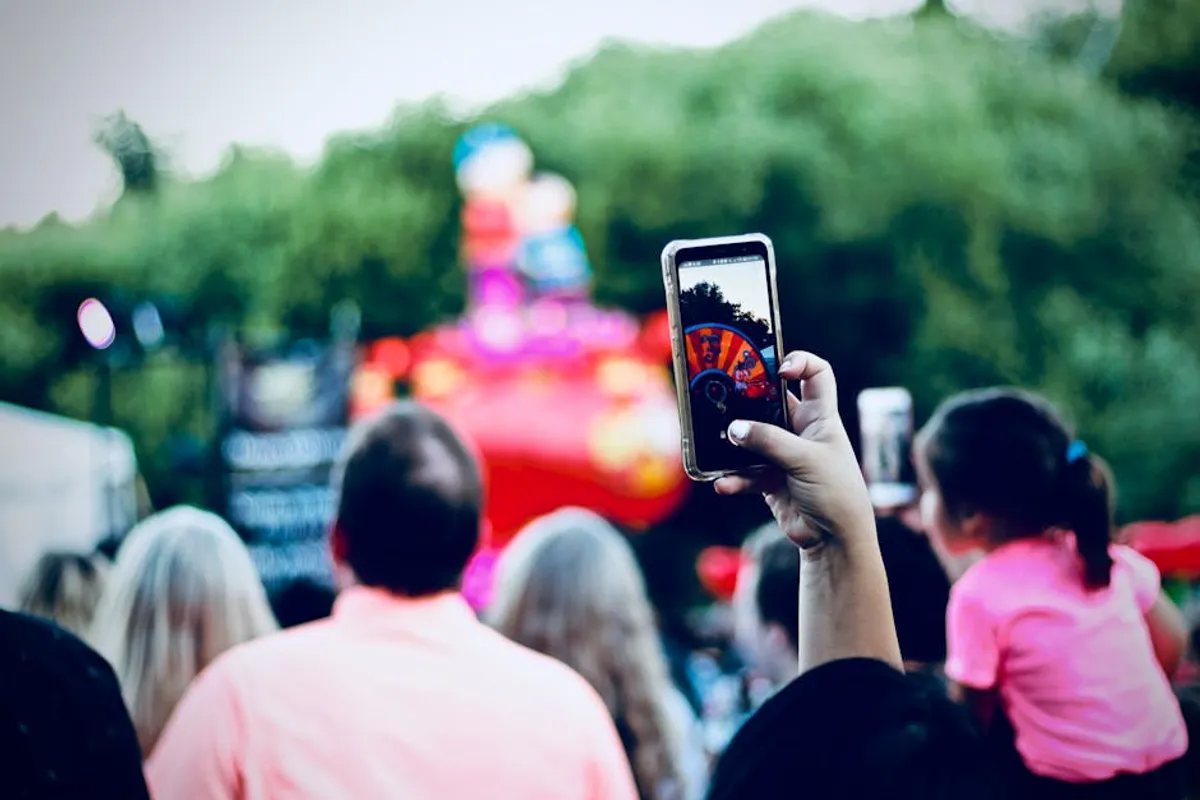
The landscape of festival guides is shifting fundamentally, moving beyond static programs and basic schedules. Publishers, marketers, and event organizers now face a critical imperative: to transform these resources into dynamic, interactive, and highly personalized experiences. The commercial value of a well-executed festival guide extends far beyond mere information dissemination; it drives engagement, enhances attendee satisfaction, generates actionable data, and unlocks new monetization avenues. Understanding the emerging trends in creative festival guide development is no longer optional but essential for capturing attention and delivering measurable impact in a competitive event market.
Evolving Content Formats and Delivery
Modern festival guides are shedding their traditional print-first or PDF-replica limitations, embracing digital fluidity and multi-modal content delivery. This evolution prioritizes user experience and contextual relevance, moving away from one-size-fits-all information dumps.
Dynamic Personalization at Scale
Personalization is transitioning from a niche feature to an expected standard. Advanced festival guides leverage user data—often collected through registration, in-app interactions, or linked ticketing systems—to deliver highly relevant content. This includes tailored schedules, artist recommendations based on past preferences, and localized suggestions for food, merchandise, or even transportation. The goal is to reduce cognitive load for attendees and enhance their unique event journey.
- Customized Itineraries: Algorithms suggest optimal paths between stages, factoring in set times and user-defined preferences.
- Location-Based Notifications: Real-time alerts for nearby attractions, special offers, or weather changes relevant to a user's current position.
- Curated Content Feeds: News, social media updates, and exclusive artist content filtered to match individual interests.
- Merchandise Recommendations: Suggesting items from vendors or artists that align with a user's expressed tastes.
Immersive Visual and Audio Experiences
The guide itself is becoming an extension of the festival's aesthetic and sensory experience. This involves integrating high-fidelity visuals, interactive elements, and audio components that go beyond simple text and static images. Think dynamic map overlays, 360-degree venue tours, and embedded audio clips of artists.
Best for: Enhancing pre-event excitement and on-site navigation. Publishers can integrate sponsor messages directly into these immersive elements, offering high-value placements that feel native to the experience rather than intrusive.
Engagement Beyond the Event Gates
A creative festival guide extends its utility and engagement lifecycle beyond the event dates. It acts as a year-round touchpoint, fostering community and maintaining brand relevance.
Community-Driven Features
Guides are increasingly incorporating social functionalities, allowing attendees to connect, share experiences, and coordinate. This can range from integrated chat features and group planning tools to shared photo albums and post-event discussion forums. The guide transforms from a passive information source into an active social hub, amplifying word-of-mouth marketing and user-generated content.
Commercial Application: Facilitating user-generated content (UGC) provides authentic marketing material and extends the festival's reach organically. Brands can sponsor specific community features or challenges, integrating their message into shared experiences.
Sustainable and Ethical Integration
With increasing attendee awareness around environmental and social impact, creative guides are incorporating sustainability features. This includes digital-first guides to reduce paper waste, information on public transport options, details on ethical sourcing for food and merchandise vendors, and even real-time updates on waste management or recycling points. Transparency around these efforts builds trust and resonates with environmentally conscious audiences.
Pro Tip: When integrating sustainability features, ensure they are actionable and clearly communicated. A simple list of recycling points is useful, but an interactive map showing their real-time capacity or a gamified challenge for reducing waste can drive significantly higher engagement and reinforce positive brand associations.
Technical Underpinnings for Future-Proofing
The most creative and engaging festival guides are built on robust, flexible technical foundations. These ensure scalability, seamless integration with other systems, and long-term adaptability.
API-First Design and Integrations
A modern festival guide is rarely a standalone application. It functions best as part of a larger ecosystem, connecting to ticketing platforms, payment systems, social media APIs, and even smart venue infrastructure. An API-first approach ensures that data can flow freely and securely between different services, enabling real-time updates, personalized experiences, and streamlined operations. This allows for rapid feature development and integration with future technologies.
Best for: Agencies and publishers managing multiple events. An API-driven framework allows for modular development, reducing redundant work and accelerating deployment across different festival brands or iterations.
Accessibility as a Core Design Principle
True creativity in guide design now includes universal accessibility. This means ensuring the guide is usable by individuals with diverse needs, including visual, auditory, cognitive, and motor impairments. Features like screen reader compatibility, adjustable font sizes, high-contrast modes, clear navigation structures, and multi-language support are no longer optional add-ons but fundamental requirements. An accessible guide broadens audience reach and demonstrates a commitment to inclusivity.
Impact: Beyond ethical considerations, accessible design often improves usability for all users, leading to higher engagement rates and reduced support inquiries. It also aligns with evolving regulatory standards in many regions.
Maximizing Impact with Trend Adoption
Adopting these trends in creative festival guide development requires a strategic approach. Prioritize user research to understand specific attendee needs, then select trends that offer the most significant impact for your target audience and event goals. Begin with foundational technical elements like an API-first architecture, which supports future innovations. Iterate based on feedback and analytics, continuously refining the guide to enhance utility, engagement, and commercial value. The most successful guides will seamlessly blend innovative technology with a deep understanding of the human experience, transforming a utilitarian resource into an indispensable event companion.
Frequently Asked Questions
What is dynamic personalization in a festival guide?
Dynamic personalization uses attendee data to deliver tailored content, such as custom schedules, artist recommendations, and location-specific alerts, making the guide experience highly relevant to each individual user.
How can a festival guide be more sustainable?
Sustainability can be integrated through digital-first formats, information on eco-friendly transport, details on ethically sourced vendors, and interactive maps highlighting recycling points or water refill stations.
Why is an API-first approach important for modern festival guides?
An API-first design ensures seamless integration with ticketing, payment, and social platforms, allowing for real-time updates, personalized experiences, and scalability across different events or future technologies.
What are the commercial benefits of community features in a guide?
Community features foster user-generated content, amplify word-of-mouth marketing, and provide opportunities for sponsored social challenges or branded group activities, extending the festival's reach and engagement.

Write the first note
Thoughtful disagreement welcomed. Promotional links quietly trimmed.