The first genuinely hot day of the year is always a surprise. You planned a cheerful-but-substantial menu two weeks ago when it was still twelve degrees and overcast. Now it is twenty-eight, the kitchen is already warm at eleven in the morning, and eight people are arriving at seven expecting dinner. This is the menu that survives that day. If the weather is already warm, consider setting the summer table with minimal fuss, focusing on cool elements before guests arrive.
Cold first, warm memory
Start with one cold course that came out of the fridge, not the oven. On a hot day a guest's first experience with food should lower their body temperature, not raise it. The options I keep going back to:
- Cold cucumber-yogurt soup with borage flowers. Blend three cucumbers (peeled), one small pot of Greek yogurt, the juice of a lemon, a handful of dill, salt. Chill for two hours minimum. Serve in small bowls with three borage flowers floating on top. The flowers are edible and taste faintly of cucumber, which is the joke.
- Heirloom tomatoes, flaked sea salt, olive oil. That's it. Cut thick. Nothing else on the plate. If you have basil, tear five leaves over the top at the last moment. No balsamic. Balsamic is for January.
- A small glass of gazpacho, with the bread served separately. The bread does not go in the soup; it sits on the side as a crouton-free accompaniment. This is a summer rule I've become dogmatic about.
One dish that sat in the fridge since morning
Your second course should already be done by the time the first guest arrives. The oven going at dinner is the first thing that breaks a hot evening. Pre-cooked, fridge-rested, served at room temperature is the mode.
Options that work
- Roasted peppers and burrata. Roast the peppers (red, yellow, a shishito or two for heat) at 7am while it's cool. Peel them while warm. Cover in olive oil and a torn anchovy. Rest in the fridge. At dinner, let them come up to room temperature for an hour. Arrange on a platter. Tear the burrata over the top. Done.
- A whole poached salmon, pulled apart. Poach the salmon in the morning (gentle simmer, ten minutes, skin still on). Cool in its poaching liquid. At dinner, remove the skin, flake into chunks on a platter, dress with green olive oil, capers, very thinly sliced shallot, and dill. Serve with boiled new potatoes and a soft green salad.
- Cold roast chicken with a herb mayonnaise. Roast a chicken in the morning. Slice it at room temperature. Serve with a thick mayonnaise blended with tarragon, parsley, and lemon zest. Nobody thinks of cold roast chicken as dinner-party food. They're wrong. It's one of the most elegant things you can put on a table in July.
Dessert that does not need the oven
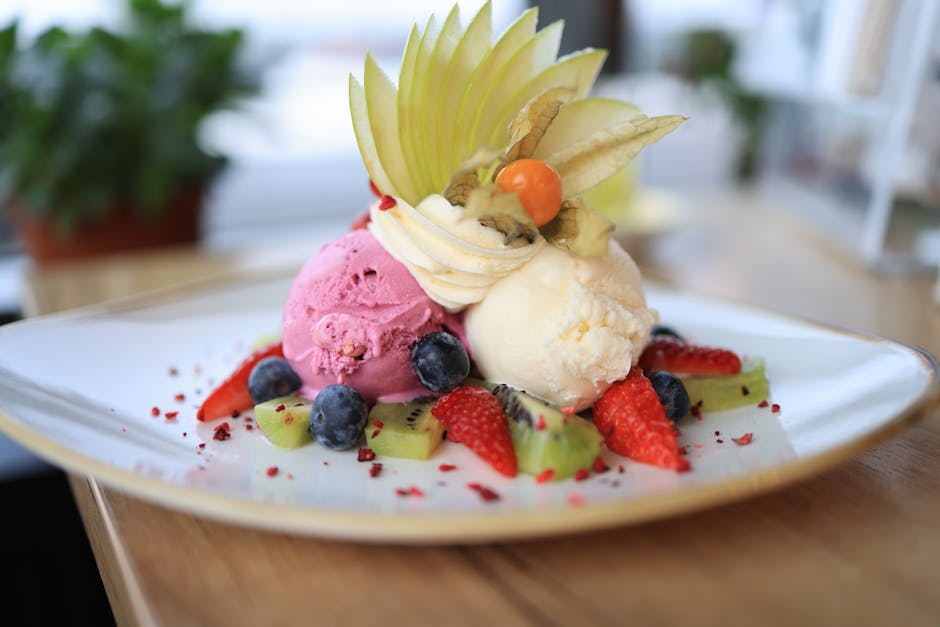
The trap is ice cream — it melts on the way to the table, it feels like children's pudding if that's all you've put out, and it tastes too cold against a warm evening. Instead:
- Panna cotta with lavender. Make it the day before. Unmould each one onto a small plate. Crush a tiny pinch of dried lavender over the top and add two raspberries. Cold but not frozen. Rich but not heavy.
- A bowl of fruit, actually treated as a course. Cherries with the stems on in a shallow bowl of iced water. Apricots halved and arranged on a platter with a small jug of cream. Figs split and sprinkled with fennel pollen. Fruit as dessert only works if you are generous and use the best fruit in your market. Not three supermarket peaches on a plate.
- A slice of cake that was made yesterday. Any olive oil cake, any orange-almond cake, any lemon drizzle. These cakes are better on day two than day one. If you made it yesterday you have nothing to do today.
The wine detail everyone forgets
On a hot day the wine should live in a bucket of ice water at the end of the table, not on the table itself. Bottles on a warm table go above drinking temperature within fifteen minutes, and then the evening tips over into "this wine is wrong" without anyone being able to articulate why.
Choose one white and one rosé. Not five whites. Not a selection. One of each. Too many bottles standing around at dinner feels like a wine bar. Two bottles refilled from the bucket feels like someone is paying attention.
What to actually buy
For the white: an unoaked chardonnay from the Jura, or a crisp Pouilly-Fumé, or a Grüner Veltliner if you want something less floral. For the rosé: a pale Provençal (Tavel if you want slightly more body, Bandol if you want to spend money, Côtes de Provence for everyday). Avoid dark, bright-pink rosé on a hot day. It reads too sweet for the heat.
One more thing
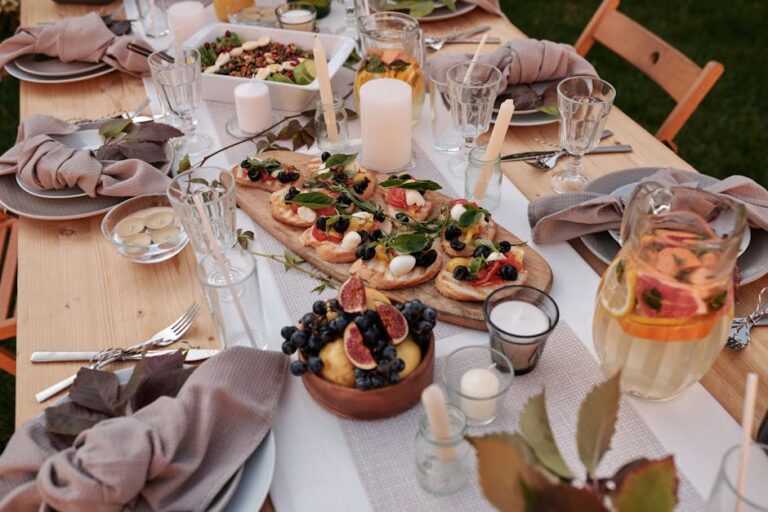
Set the table with a cold water pitcher already out. Not ice water (condensation pools on linen, which upsets everyone including you), just cold tap water in a plain glass pitcher with a slice of lemon floating. When the first guest arrives the first thing they should be offered is a glass of water, not a glass of wine. On a hot day a guest has probably driven across town being too warm, and they will thank you silently for that glass of water for hours. Avoid serving ice water directly, as condensation pools on linen, which can be an unnecessary worry when you're hosting.
The short version
One cold first, one fridge-rested main, a dessert that never saw the oven, two bottles of wine in a bucket, and a glass of cold water waiting at the door. The evening will work. You might even enjoy it.
Write the first note
Thoughtful disagreement welcomed. Promotional links quietly trimmed.